
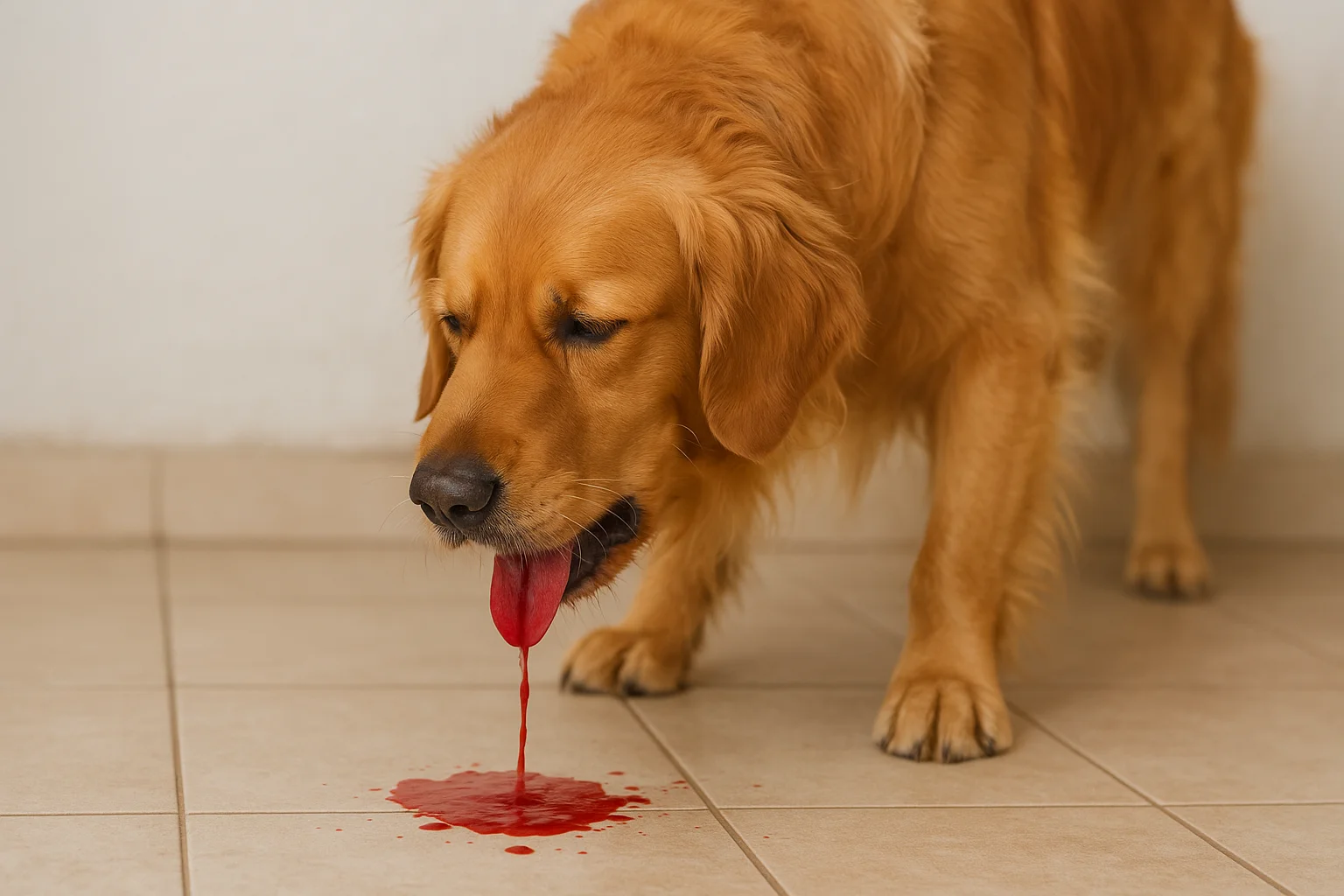
Seeing your dog vomit blood can be deeply alarming. While it is sometimes caused by minor irritation in the stomach or throat, it can also be a sign of a serious underlying health condition. Understanding the possible causes, the signs to watch for, and when to seek veterinary care is critical for your dog’s well-being.
What Does It Mean If My Dog Is Vomiting Blood?
Vomiting blood in dogs — medically called hematemesis — may appear as fresh, bright red blood or as dark, coffee-ground-like material. The color and appearance can provide clues about where the bleeding is coming from:
- Bright red blood usually suggests bleeding in the mouth, throat, or upper stomach.
- Dark, grainy blood often indicates bleeding that has progressed further along the digestive tract.
Any appearance of blood in your dog’s vomit is a red flag. While not every case is life-threatening, some causes are medical emergencies. Document the episode, keep your dog calm, and contact a veterinarian immediately.
For more information, visit PetMD’s veterinary overview.
Signs & Symptoms — What to Look For
Here’s how to recognize and describe what’s happening when your dog vomits blood:
| Symptom | What It Might Mean |
|---|---|
| Bright red streaks | Digested blood from the stomach or upper intestines |
| Coffee-ground appearance | Digested blood from stomach or upper intestines |
| Pink foam | Mild irritation or early inflammation |
| Fresh bleeding from the mouth or esophagus | Coughing involves airway effort and no stomach heave; vomiting includes abdominal contractions |
📌 Tip: Take a clear photo or video and, if safe, bring a small sample to the vet for examination.
Common Causes of Dog Puking Blood
Blood in vomit can result from a range of conditions — from mild irritation to serious disease:
1. Digestive Tract Injuries & Irritation
- Stomach ulcers (often from certain pain medications)
- Ingestion of sharp objects like bone splinters
2. Foreign Bodies
- Toys, sticks, or fabric lodged in the stomach or intestines
3. Infections & Parasites
- Parvovirus, canine distemper
- Worms and protozoa like Giardia
Learn more from the American Kennel Club’s health guide.
4. Gastrointestinal Diseases
- Hemorrhagic Gastroenteritis (HGE) — sudden onset vomiting with large amounts of blood
- Inflammatory Bowel Disease (IBD) — chronic inflammation causing irritation and bleeding
5. Cancer & Organ Disease
- Tumors of the stomach, esophagus, or intestines
- Liver or kidney failure affecting blood clotting
6. Toxins & Poisons
- Household chemicals
- Rat poison (anticoagulants)
When to Seek Emergency Veterinary Care
Call your vet or an emergency clinic immediately if you see:

- Large amounts of blood in vomit
- Vomiting that continues more than once or twice in a short period
- Weakness, lethargy, pale gums
- Black, tarry stools (indicating internal bleeding)
- Signs of dehydration (sunken eyes, dry gums)
Find a clinic near you via the American Veterinary Medical Association’s locator.
At-Home Steps While You Wait for the Vet
These are short-term actions, not a replacement for professional care:
- Keep your dog calm and prevent activity.
- Remove access to food until your vet advises otherwise.
- Offer small sips of water, but avoid forcing fluids.
- Do not give over-the-counter human medications.
- Record details — time, amount of blood, color, and recent diet or behavior changes.
How Vets Diagnose & Treat Dog Vomiting Blood
Your veterinarian may use:
- Physical exam & history taking
- Blood tests for infection or clotting problems
- X-rays or ultrasound to detect foreign objects or tumors
- Endoscopy to view the esophagus and stomach directly
Treatment options depend on the cause:
- IV fluids for dehydration
- Anti-nausea and stomach-protecting medications
- Surgery to remove foreign bodies or tumors
- Antibiotics or antiparasitic drugs for infections
- A special diet to help the digestive tract heal
If your vet recommends dietary changes after recovery, you can use our Dog Calorie Calculator to determine the ideal daily feeding amount. This ensures your dog gets enough nutrition without overloading the stomach during healing.
For more veterinary insight, see Bond Vet’s professional guide.
Preventing Recurrence
- Feed a balanced, high-quality diet
- Avoid table scraps and unsafe treats
- Keep toxic plants, chemicals, and small objects out of reach
- Stick to regular deworming and vaccination schedules
- Monitor for recurring symptoms and act early
Conclusion
Dog vomiting blood should never be ignored. While minor causes exist, the potential for serious illness means timely veterinary assessment is essential. Always monitor your dog closely for changes in behavior, appetite, or energy levels. With prompt diagnosis and proper treatment, many dogs recover fully and continue to live healthy, happy lives.

What Vegetables Can Dogs Eat? Safe and Unsafe Vegetables
Many vegetables are safe and healthy for dogs, but some can be dangerous. Learn what vegetables dogs can eat, what they can eat daily, and

Can Dogs Eat Anchovies? Benefits, Risks, and Safe Guide
Can dogs eat anchovies safely? Discover the benefits, risks, and proper way to feed anchovies to dogs. Learn how these small fish can support your

Can Dogs Eat White Chocolate? A Complete Safety Guide
Can dogs eat white chocolate or is it dangerous? Discover the risks, symptoms of chocolate poisoning, and what to do if your dog eats white
[…] vomiting blood in dogs is a serious sign that needs immediate attention—read our full guide on Dog Puking Blood to stay […]
Comments are closed.