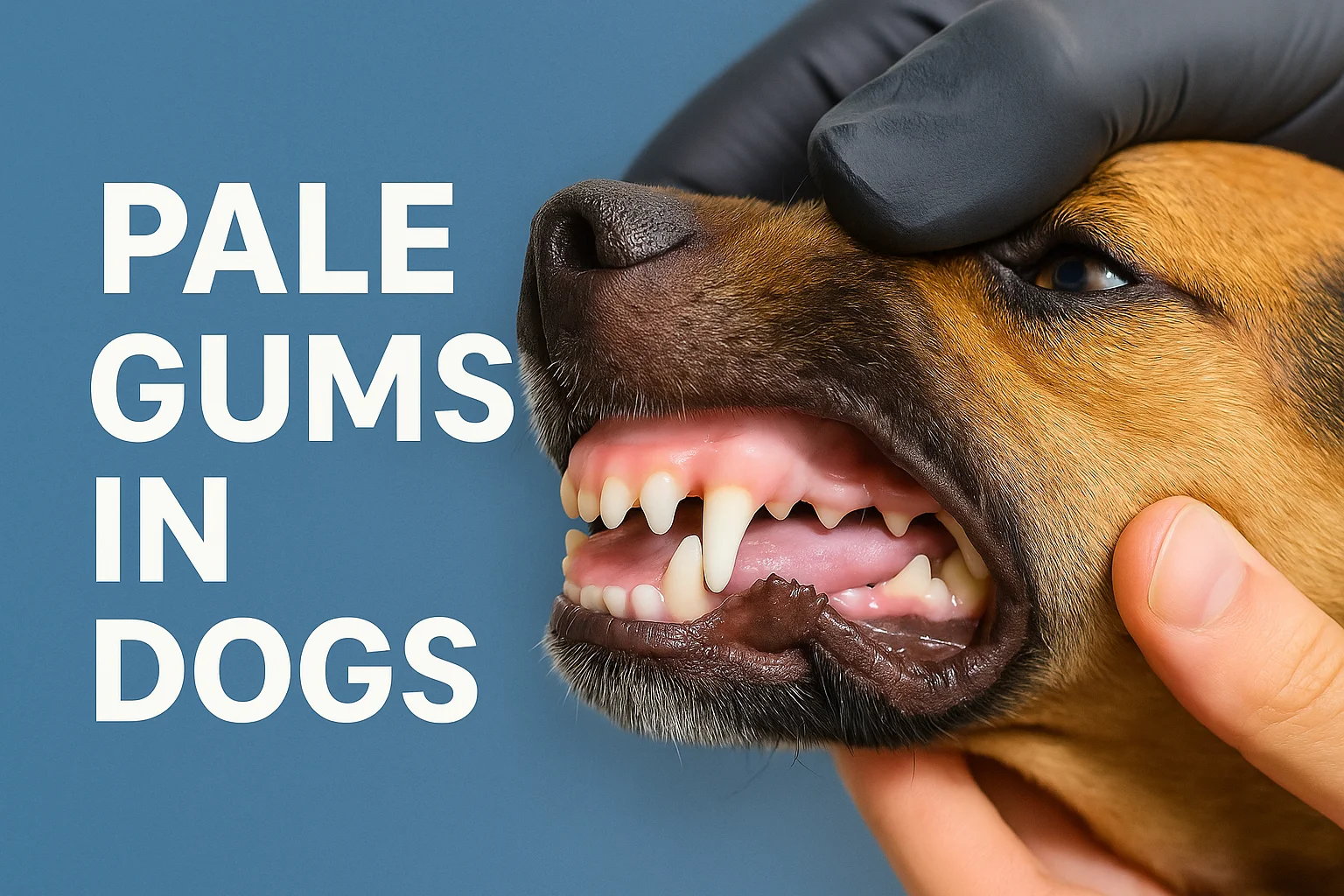
When it comes to monitoring your dog’s health, one of the simplest yet most overlooked indicators is the color of their gums. Healthy gums are typically bubblegum pink, which reflects good blood circulation and oxygen levels. But when you notice that your dog’s gums look unusually pale, white, or even grayish, it can be a warning sign of an underlying health problem.
Pale gums in dogs are not something to ignore. They may indicate anything from mild anemia to life-threatening internal bleeding or shock. Knowing what pale gums mean, how to check your dog’s gum health, and when to seek emergency veterinary care could literally save your pet’s life.
In this article, we’ll explore the causes, symptoms, treatment options, and prevention tips related to pale gums in dogs, while also linking to trusted veterinary resources like Vets Now, PetMD, and GSVS for deeper reference.
What Do Healthy Dog Gums Look Like?
Before identifying abnormalities, it’s important to know what’s normal.
- Color – Healthy gums should be bubblegum pink, moist, and smooth.
- Capillary Refill Time (CRT) – When you gently press your finger against your dog’s gums, they should briefly turn white and then return to pink within 1–2 seconds. This shows that blood is circulating properly.
- Moisture – Gums should feel slightly moist, not sticky or dry.
If your dog’s gums look pale, white, bluish, or yellow, this is a red flag that something may be wrong internally.
What Does It Mean If a Dog Has Pale Gums?
Pale gums usually signal that your dog is not getting enough oxygenated blood to the tissues. This can happen for many reasons, ranging from mild to critical. In some cases, pale gums are temporary (like after strenuous exercise), but in most cases, they require veterinary attention.
According to PetMD, pale gums can be linked to anemia, shock, internal bleeding, or even parasitic infections. Understanding the exact cause is crucial for effective treatment.
Causes of Pale Gums in Dogs
There are multiple possible causes, and identifying the right one requires a veterinarian’s diagnosis. Below are the most common reasons:
1. Anemia
Anemia occurs when your dog has too few red blood cells to carry oxygen. This can result from:
- Blood loss (trauma, surgery, internal bleeding)
- Parasitic infections (fleas, ticks, hookworms)
- Chronic diseases (like kidney disease)
Dogs with anemia often show additional signs like lethargy, rapid breathing, and weakness.
2. Shock
Shock reduces blood circulation and oxygen supply, causing gums to turn pale. This may result from:
- Severe injury
- Blood loss
- Heatstroke
- Allergic reactions
Veterinary experts at GSVS stress that shock is a medical emergency and requires immediate treatment.
3. Blood Loss or Internal Bleeding
Internal injuries from accidents, poisoning (such as rat poison ingestion), or tumors can lead to blood loss that isn’t immediately visible. Pale gums may be the first noticeable sign.
4. Parasites
Heavy infestations of fleas, ticks, or worms can drain blood over time, leading to anemia and pale gums. Puppies are especially vulnerable.
5. Heart Disease
Dogs with heart conditions may struggle to circulate enough oxygen-rich blood, which shows up as pale or even bluish gums.
6. Poisoning
Toxins such as rat poison or ingestion of harmful plants can cause internal bleeding and pale gums.
7. Hypothermia or Low Blood Sugar
Both conditions slow circulation and oxygen delivery, which can manifest as pale gums.
Emergency Signs That Require Immediate Vet Care
Not all cases of pale gums are emergencies, but many are. You should seek urgent veterinary attention if pale gums are accompanied by:
- Rapid or shallow breathing
- Weakness or collapse
- Rapid heartbeat
- Vomiting or diarrhea (especially if bloody)
- Swollen abdomen (possible internal bleeding)
- Unresponsiveness
If you see these symptoms, contact your nearest vet or an emergency service like Vets Now immediately.
How Veterinarians Diagnose Pale Gums in Dogs
When you bring your dog to the vet, they will conduct:
- Physical examination – checking gum color, heart rate, and breathing.
- Blood tests – to detect anemia, infections, or organ problems.
- Imaging (X-rays/ultrasound) – to detect internal bleeding, tumors, or fluid buildup.
- Urinalysis or stool tests – to identify parasites or internal bleeding.
These steps help pinpoint the exact cause, allowing for proper treatment to begin quickly.
Treatment Options for Dogs with Pale Gums
Treatment depends on the underlying cause:
- Blood transfusion – for severe anemia or major blood loss.
- IV fluids and oxygen therapy – for dogs in shock.
- Medications – antibiotics for infections, antiparasitics for worms, or heart medications.
- Surgery – to stop internal bleeding or remove tumors.
- Supportive care – warming for hypothermia, glucose for low blood sugar.
Every case is different, which is why timely veterinary care is essential.
Home Care and Monitoring
While pale gums almost always require veterinary attention, here are a few steps you can take at home while waiting for help:
- Check capillary refill time regularly.
- Keep your dog warm and calm if they are in shock.
- Prevent further injury by restricting movement.
- Do NOT give human medications without a vet’s approval, as many are toxic to dogs.
Remember, home care is only supportive—it does not replace professional veterinary treatment.
Prevention Tips for Dog Owners
You cannot prevent every case, but you can lower your dog’s risks by:
- Regular vet checkups (blood work can detect early problems).
- Parasite prevention (flea, tick, and worm control).
- Safe environment (avoiding toxins and keeping harmful items out of reach).
- Proper nutrition to maintain healthy blood and organ function.
For more prevention guidance, you can also read PetMD’s advice on pale gums.
When Pale Gums Are Not an Emergency
Not every case means something critical. For instance, gums may appear lighter temporarily:
- After exercise (due to redirected blood flow).
- In cold temperatures (due to constricted blood vessels).
However, if the paleness persists, always consult a vet to rule out hidden problems.
FAQs About Pale Gums in Dogs
1. Can dehydration cause pale gums in dogs?
Not usually. Dehydration causes gums to feel sticky and dry, but not necessarily pale.
2. Are pale gums always a sign of anemia?
No, pale gums may also signal shock, blood loss, or heart disease.
3. Can I check gum color at home?
Yes, but it should never replace professional veterinary care.
4. What if my dog’s gums are yellow instead of pale?
Yellow gums may indicate liver problems or jaundice, which also need urgent care.
Conclusion
Pale gums in dogs should never be ignored. While mild cases may have simple explanations, they often point to serious conditions like anemia, shock, or internal bleeding. Acting quickly can make the difference between life and death.
If you notice pale gums—especially with other symptoms such as weakness, rapid breathing, or collapse—contact your vet immediately. For reliable emergency guidance, refer to trusted resources like Vets Now, PetMD, or GSVS Emergency Veterinary Services.
By staying alert, practicing preventive care, and responding promptly, you can protect your dog’s health and ensure they live a long, happy life.

What Vegetables Can Dogs Eat? Safe and Unsafe Vegetables
Many vegetables are safe and healthy for dogs, but some can be dangerous. Learn what vegetables dogs can eat, what they can eat daily, and
Can Dogs Eat Anchovies? Benefits, Risks, and Safe Guide
Can dogs eat anchovies safely? Discover the benefits, risks, and proper way to feed anchovies to dogs. Learn how these small fish can support your

Can Dogs Eat White Chocolate? A Complete Safety Guide
Can dogs eat white chocolate or is it dangerous? Discover the risks, symptoms of chocolate poisoning, and what to do if your dog eats white
[…] Discover everything about the golden breed dog price, from puppy costs to lifetime expenses. Learn what affects pricing and how to choose the perfect Golden […]
[…] Read more about spotting serious health issues in our guide: Pale Gums in Dogs: Causes, Emergency Signs, and What Every Dog Owner Should Know. […]
Comments are closed.