
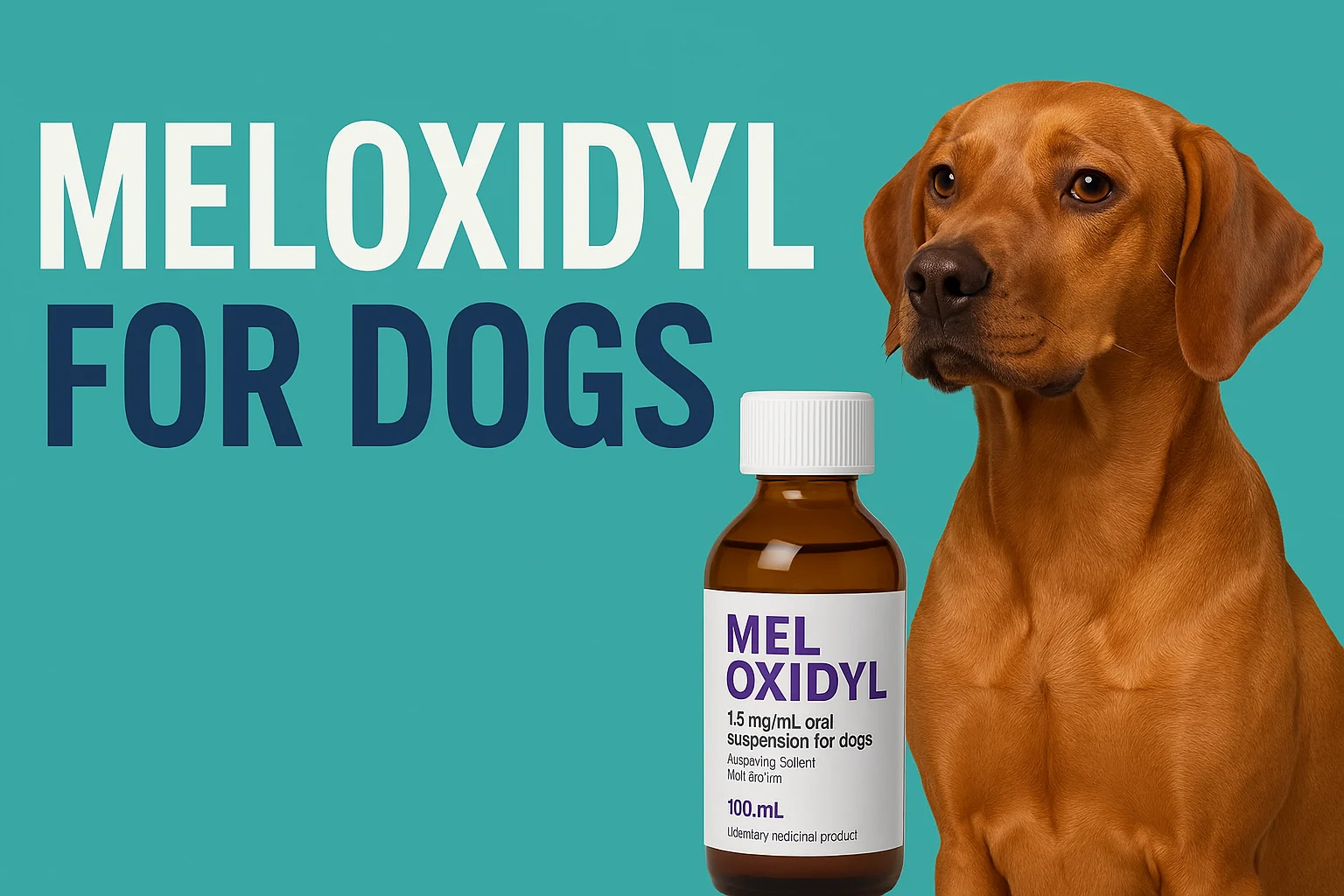
Meloxidyl for dogs is a veterinary medicine widely prescribed to reduce pain and inflammation. Whether your dog is recovering from surgery or managing a chronic joint condition, understanding how Meloxidyl works and how to give it safely is essential for every pet owner.
What Is Meloxidyl?
Meloxidyl is a liquid non-steroidal anti-inflammatory drug (NSAID) that contains meloxicam as its active ingredient. Veterinarians often recommend it to control pain from osteoarthritis or after surgical procedures.
According to the European Medicines Agency, this medication helps dogs move more comfortably by reducing swelling and stiffness in their joints.
Why Vets Recommend Meloxidyl
Compared with some other NSAIDs, Meloxidyl is gentle on the stomach when given as directed. The manufacturer explains that its formulation provides long-lasting pain relief with accurate dosing—learn more from the official Meloxidyl site.
Because the suspension can be mixed with food or administered directly by mouth, most dogs accept it easily.
Correct Dosage and Administration
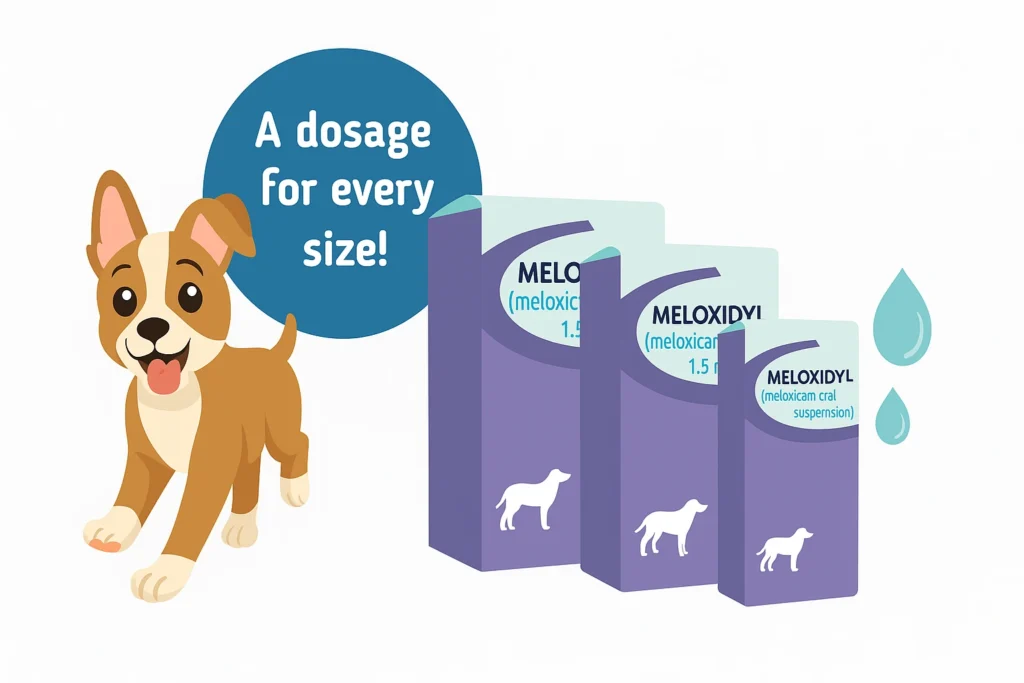
Your veterinarian will calculate the dose based on body weight. Typically, the starting dose is 0.2 mg per kilogram of body weight on the first day, followed by 0.1 mg/kg once daily.
Shake the bottle well and use the provided syringe to ensure accuracy. Never adjust the dose without professional guidance.
Possible Side Effects
Although generally safe, Meloxidyl—like all NSAIDs—can cause side effects if misused. Watch for vomiting, diarrhea, loss of appetite, or changes in drinking habits.
If you notice any of these symptoms, contact your vet immediately. Serious reactions are rare when given at the prescribed amount.
Tips for Safe Use
- Give Meloxidyl with food to reduce stomach upset.
- Provide fresh water at all times.
- Avoid combining it with other NSAIDs or steroids unless your vet approves.
You can purchase prescription suspensions from reputable sources such as VetUK once your veterinarian issues a prescription.
Supporting Your Dog’s Overall Health
Medication is only one part of joint care. Regular, gentle exercise, weight control, and a balanced diet help maintain mobility.
If your dog has other conditions—such as chronic ear problems—take preventive steps early. Our guide on dog ear infection treatment explains how proper cleaning and care keep discomfort at bay.
Persistent coughing can also signal underlying inflammation; learn more in our article on why dogs cough.
Key Takeaways
- Meloxidyl for dogs effectively reduces pain and inflammation caused by arthritis or surgery.
- Correct dosing and close veterinary supervision keep side effects low.
- Internal and external health support—diet, exercise, and regular vet checks—maximize results.
Conclusion
Meloxidyl offers reliable relief when prescribed and monitored by a veterinarian. By following dosage instructions carefully and observing your pet for any changes, you can help your dog stay active and comfortable for years to come.

What Vegetables Can Dogs Eat? Safe and Unsafe Vegetables
Many vegetables are safe and healthy for dogs, but some can be dangerous. Learn what vegetables dogs can eat, what they can eat daily, and

Can Dogs Eat Anchovies? Benefits, Risks, and Safe Guide
Can dogs eat anchovies safely? Discover the benefits, risks, and proper way to feed anchovies to dogs. Learn how these small fish can support your

Can Dogs Eat White Chocolate? A Complete Safety Guide
Can dogs eat white chocolate or is it dangerous? Discover the risks, symptoms of chocolate poisoning, and what to do if your dog eats white