Introduction
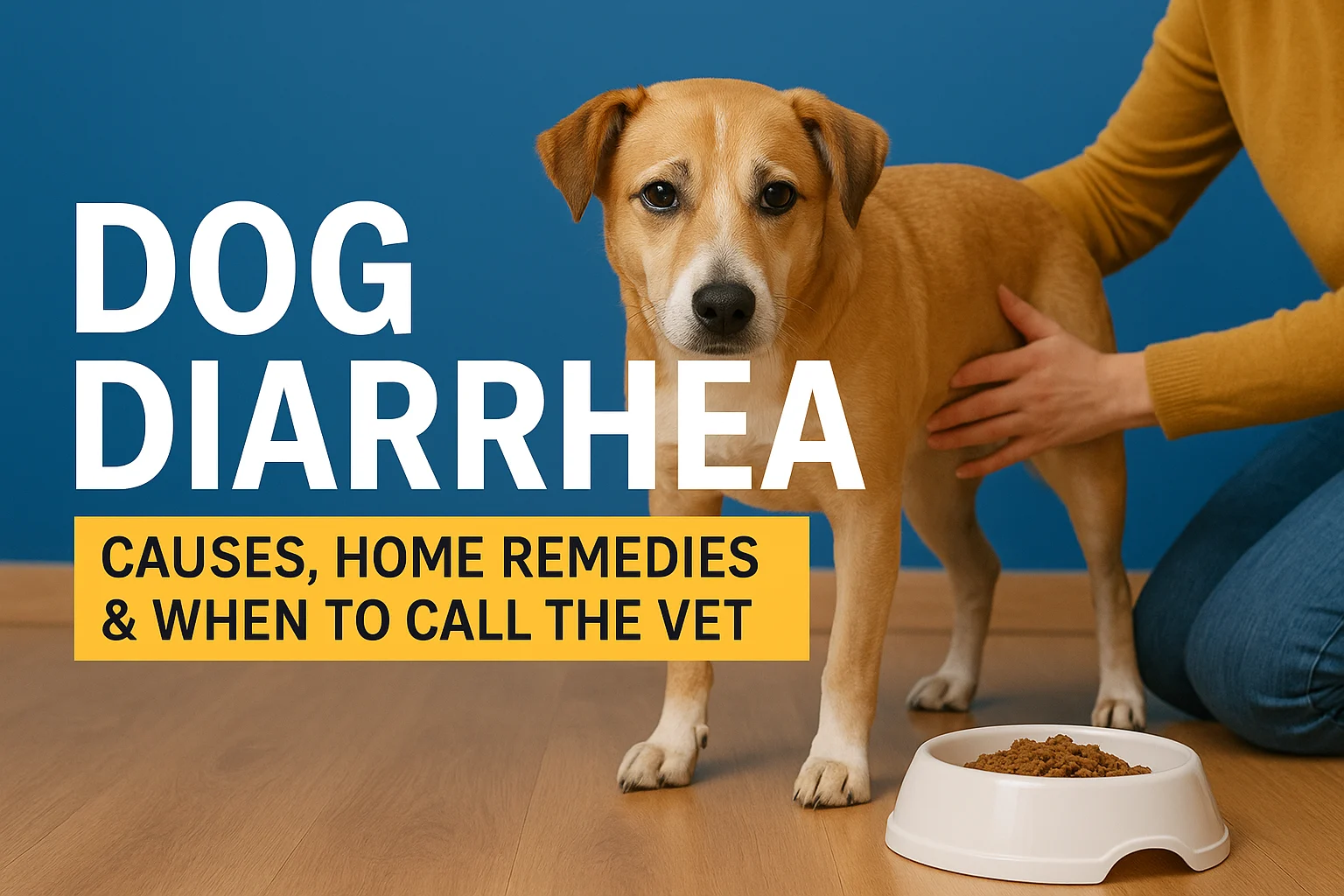
Every dog owner has experienced it at least once: the dreaded moment when your pet has loose, watery stools. Dog diarrhea is one of the most common digestive problems in dogs, and while it’s sometimes harmless, it can also signal serious health concerns.
In this guide, I’ll explain the causes of dog diarrhea, home remedies you can try, when you should see a vet, and how to prevent it. I’ll also share helpful internal and external resources for deeper insights.
What Is Dog Diarrhea?
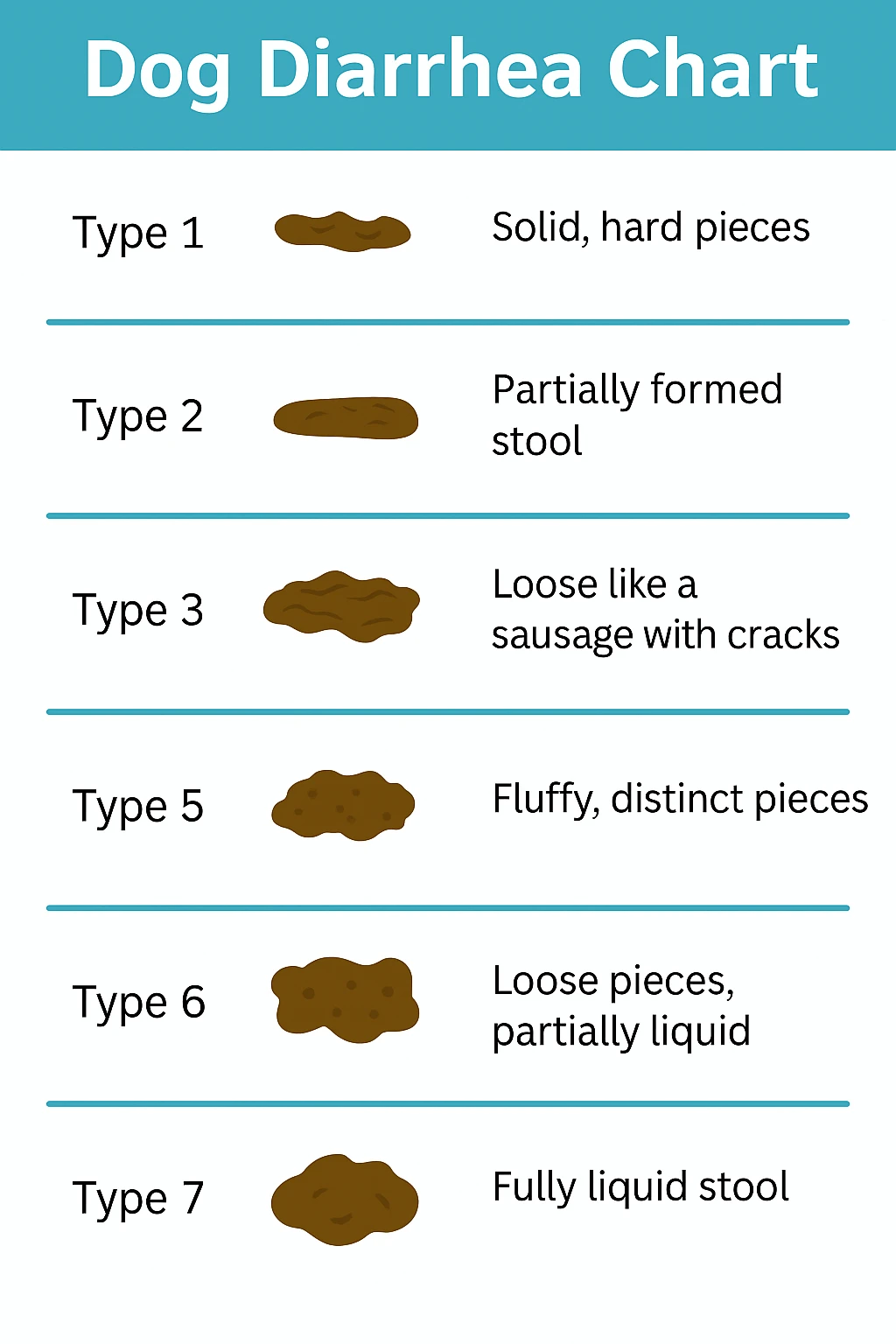
Simply put, dog diarrhea refers to frequent, loose, or watery stools. It happens when the intestines either don’t absorb enough water or produce too much fluid.
According to Animal Medical Center, diarrhea in dogs can be acute (short-term, lasting less than two weeks) or chronic (longer-lasting, recurring).
Types of Diarrhea
- Acute diarrhea – sudden onset, often diet-related.
- Chronic diarrhea – lasts for weeks, may indicate a disease.
- Small bowel diarrhea – large volume, fewer trips, no urgency.
- Large bowel diarrhea – frequent trips, urgency, mucus, sometimes blood.
Common Causes of Dog Diarrhea
Dietary Changes or Indiscretion
Dogs love exploring food—whether it’s garbage, table scraps, or a sudden switch in kibble. These can all upset the digestive system.
Parasites and Worms
Roundworms, hookworms, Giardia, and coccidia are frequent culprits. Routine fecal tests help identify them.
Infections: Bacterial or Viral
Salmonella, Campylobacter, or viruses like parvovirus can cause severe diarrhea and dehydration.
Chronic Conditions
Diseases such as inflammatory bowel disease (IBD), exocrine pancreatic insufficiency, or food allergies may trigger ongoing diarrhea.
Other Causes
- Stress or anxiety
- Toxin ingestion
- Organ failure (liver, kidney)
- Tumors or intestinal blockages
- Medication side effects
For a full breakdown, visit PetMD’s guide on dog diarrhea.
Symptoms That Accompany Dog Diarrhea
Aside from watery stools, look for:
- Blood or mucus in feces
- Vomiting
- Fever or lethargy
- Loss of appetite
- Dehydration (dry gums, sunken eyes)
If these appear, it’s time to act fast.
Home Remedies for Dog Diarrhea
When diarrhea is mild and your dog otherwise looks healthy, you can try safe home treatments.
Fasting for 12–24 Hours
This gives the intestines a rest. Never fast puppies or toy breeds.
Bland Diet
After fasting, feed small meals of boiled chicken and rice, or plain pumpkin.
Probiotics and Fiber
Dog-safe probiotics restore gut bacteria. Fiber (like pumpkin) can firm up stools.
Hydration
Always ensure fresh water. You can also use vet-recommended electrolyte solutions.
When to Call the Vet
Diarrhea can quickly turn serious, so you must know the red flags.
Red Flags
- Bloody or black stool
- Diarrhea lasting more than 48 hours
- Vomiting plus diarrhea
- Severe lethargy or weakness
- Dehydration signs
- Puppies, senior dogs, or dogs with other health issues
Your vet may perform blood work, fecal tests, or imaging. According to VCA Animal Hospitals, treatment may include fluids, antibiotics, anti-inflammatories, or dietary therapy.
Prevention Tips for Dog Diarrhea
- Keep your dog on a consistent, high-quality diet.
- Make diet changes gradually.
- Prevent access to trash, spoiled food, and toxic items.
- Keep vaccinations up to date.
- Schedule routine fecal exams.
- Maintain proper hygiene (clean bowls, pick up stools).
- Reduce stress in daily routines.
Internal Resources on PetDogHabits
If you found this article helpful, you may also want to check out:
- Can Dogs Get Lice? Symptoms, Treatment, and Prevention Guide
- Can Dogs Eat Beef Jerky? Everything Pet Owners Should Know
Both posts cover additional health and nutrition concerns for your furry friend.
Conclusion
Dog diarrhea can be as simple as an upset stomach or as complex as a chronic condition. In mild cases, fasting, bland diets, and probiotics often help. Yet if the diarrhea persists or severe symptoms appear, you must seek veterinary help without delay.
By keeping your dog’s diet consistent, preventing exposure to parasites, and maintaining good hygiene, you can significantly reduce the chances of diarrhea. Always remember: prevention and early attention are the best medicine.

What Vegetables Can Dogs Eat? Safe and Unsafe Vegetables
Many vegetables are safe and healthy for dogs, but some can be dangerous. Learn what vegetables dogs can eat, what they can eat daily, and
Can Dogs Eat Anchovies? Benefits, Risks, and Safe Guide
Can dogs eat anchovies safely? Discover the benefits, risks, and proper way to feed anchovies to dogs. Learn how these small fish can support your

Can Dogs Eat White Chocolate? A Complete Safety Guide
Can dogs eat white chocolate or is it dangerous? Discover the risks, symptoms of chocolate poisoning, and what to do if your dog eats white
[…] instance, sudden aggression can sometimes be linked to health issues. Our guide on dog diarrhea causes and remedies explains how even stomach discomfort can influence […]
Comments are closed.