
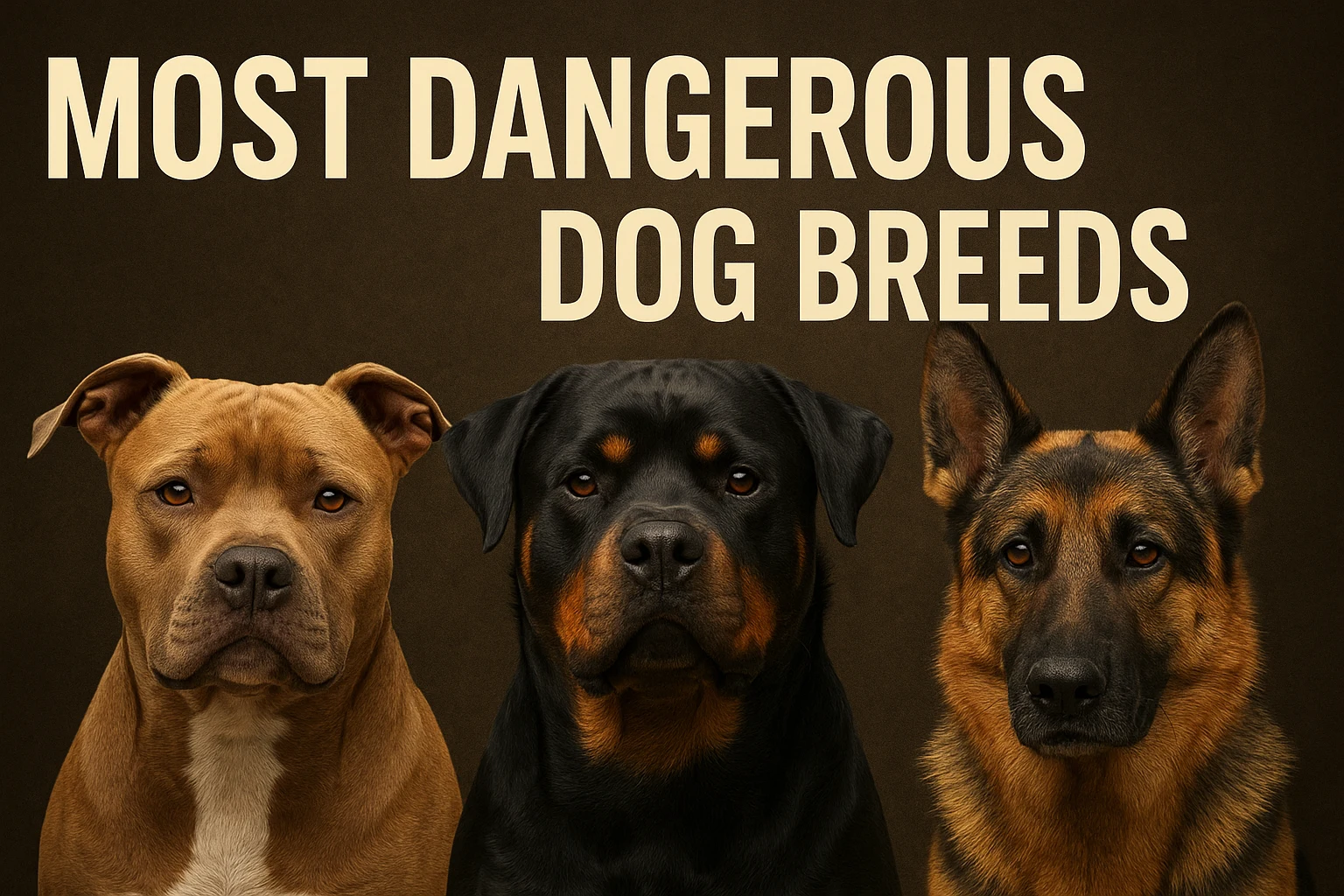
Dogs are beloved companions, but it’s no secret that some breeds carry reputations for being more dangerous than others. When people search for the most dangerous dog breeds, they usually want to know which dogs are more likely to cause harm if mishandled, poorly trained, or neglected. It’s not about labeling dogs as “bad” but rather understanding which breeds require special responsibility.
In this post, you’ll discover the 5 most dangerous dog breeds according to bite statistics, strength, and expert opinions. You’ll also learn why they’re considered hazardous, how to prevent aggression in any breed, and common myths that often confuse dog lovers.
1. Pit Bull Terrier – The Breed Most Often Cited as Dangerous
When people talk about the most dangerous dog breeds, the Pit Bull Terrier almost always tops the list. Originally bred for bull-baiting and later for dog fighting, Pit Bulls are powerful, muscular, and determined. Their bite force and sheer tenacity mean that when they do attack, injuries can be severe.
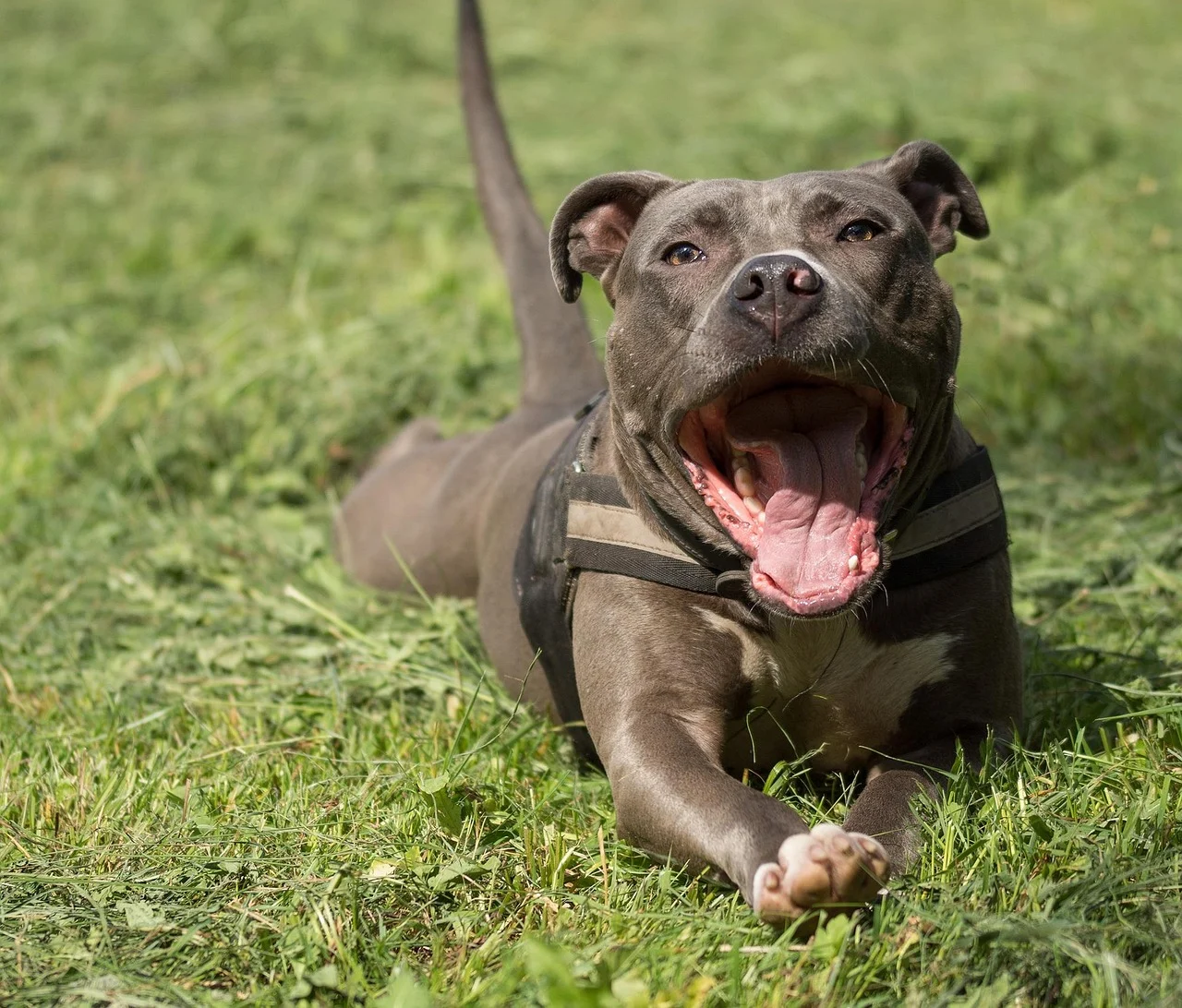
So, why is the Pit Bull considered dangerous?
- Strength and stamina: They can overpower most other breeds in a fight.
- History of misuse: Irresponsible owners have used them in illegal fighting rings.
- High prey drive: Without training, they may misinterpret other animals or children as threats.
Yet, many Pit Bulls are loving pets when raised responsibly. As BlackburnRomey explains, their reputation often comes more from neglect and misuse than from natural aggression.
2. Rottweiler – Loyal but Potentially Aggressive
The Rottweiler is another breed often listed among the most dangerous dog breeds. Known for its loyalty and guarding instincts, this large, muscular dog can be protective to the point of aggression if not properly socialized.
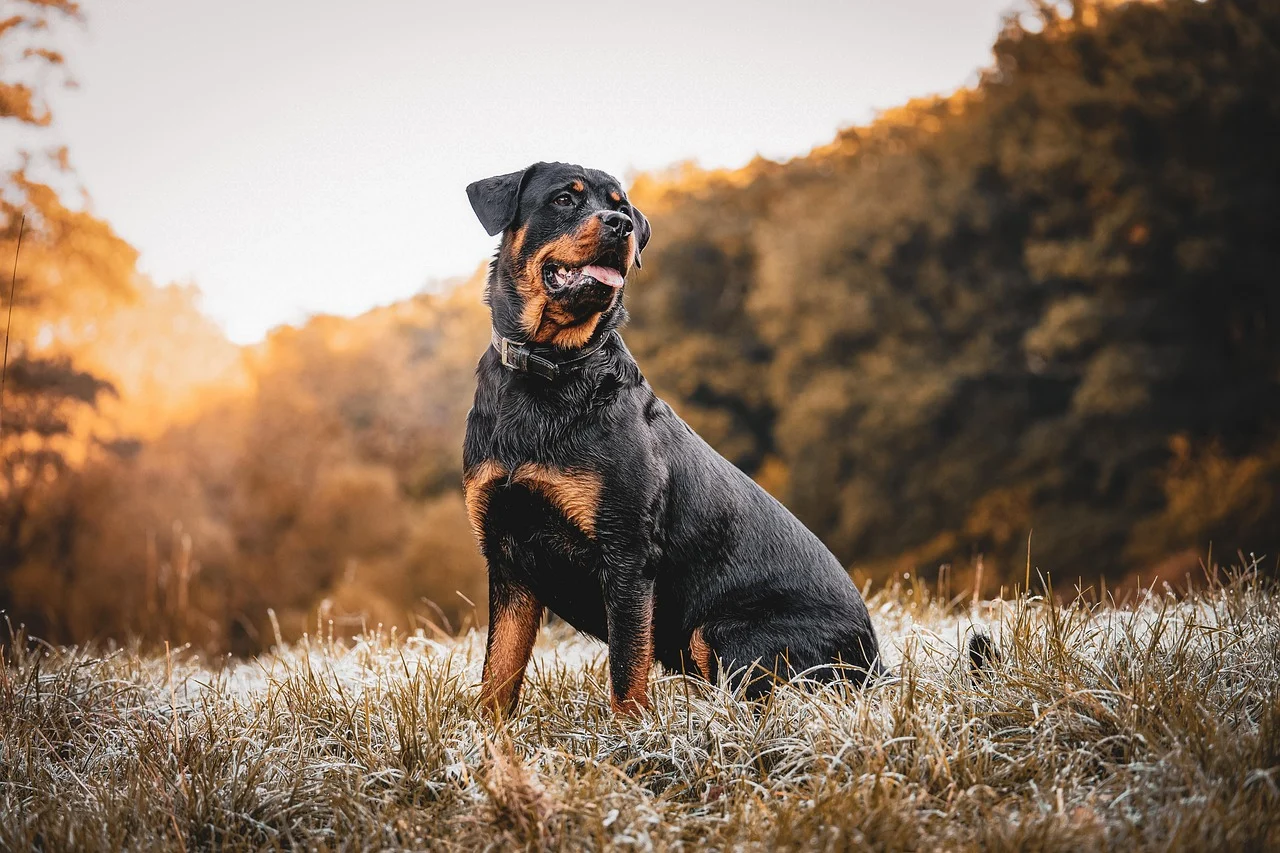
Reasons why Rottweilers are considered dangerous:
- Guarding nature: They were bred to protect property and livestock.
- Sheer power: Weighing up to 130 pounds, they can cause serious harm in an attack.
- Untrained dominance: Without consistent leadership, they may attempt to assert control.
According to HerbertTrial, Rottweilers are often involved in fatal dog bite statistics in the United States. Still, a well-trained Rottweiler can be calm, protective, and a devoted family member.
3. German Shepherd – Intelligent but Powerful
The German Shepherd is one of the most popular breeds worldwide, especially for police and military work. However, this intelligence and drive also make them appear in lists of the most dangerous dog breeds.
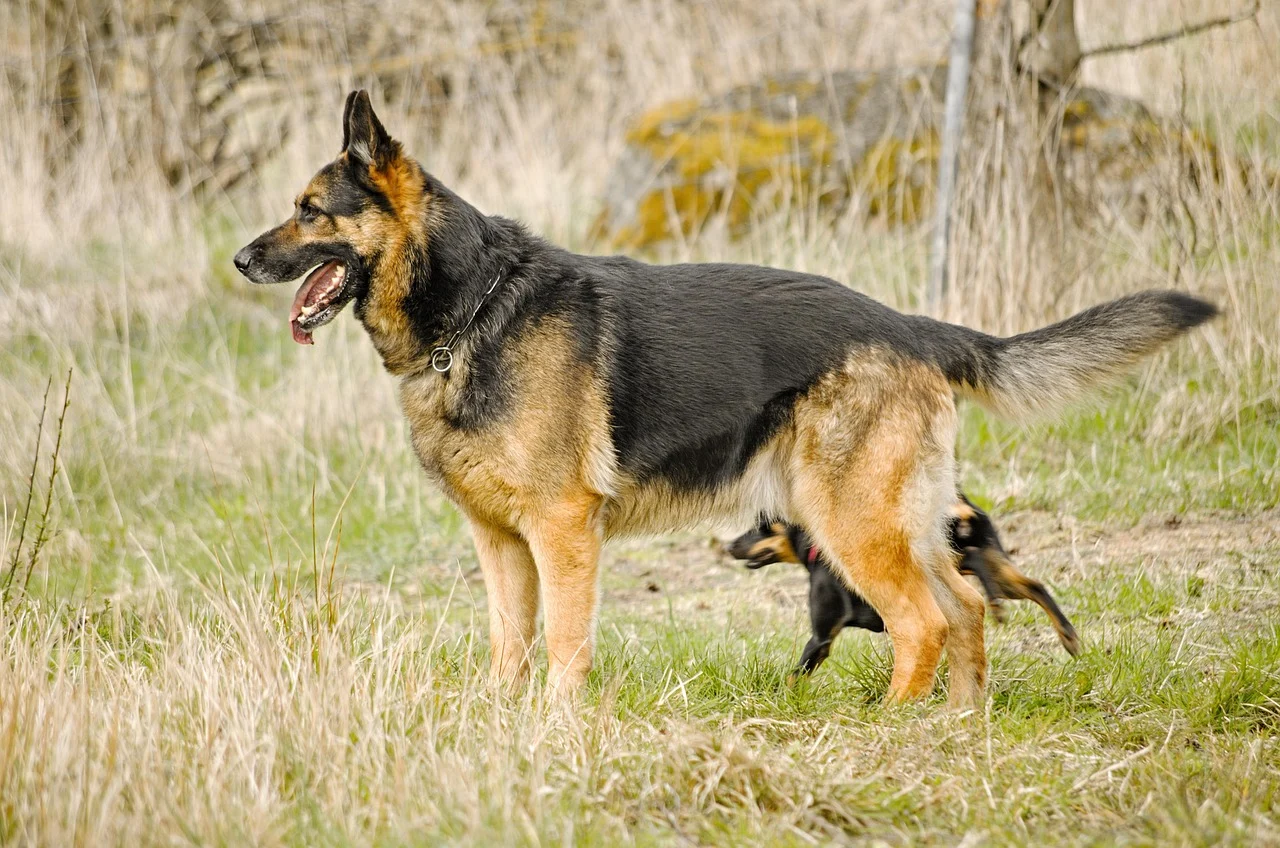
Why are they considered dangerous?
- Protective instincts: German Shepherds are quick to defend their territory.
- Strong bite force: They can inflict serious injuries if they perceive danger.
- Need for stimulation: Without exercise and mental challenges, they may develop destructive or aggressive behaviors.
As HowStuffWorks notes, their high ranking in bite reports often relates to their popularity—since there are so many German Shepherds, the number of incidents is naturally higher.
4. Doberman Pinscher – A Natural Protector
The sleek, elegant Doberman Pinscher was bred specifically for protection, making it one of the most alert and loyal breeds. Yet, this very trait places it among the most dangerous dog breeds.

Why Dobermans make the list:
- Guarding instinct: They were once called “tax collectors’ dogs” for their fierce loyalty.
- Speed and strength: Quick reflexes make them formidable defenders.
- Aggression without training: If not socialized, they may react aggressively to strangers.
Despite their reputation, most Dobermans are affectionate toward their families. With strong leadership and proper care, they’re excellent companions.
5. Bullmastiff – A Gentle Giant or a Threat?
The Bullmastiff is a massive breed, weighing up to 150 pounds, and was originally bred to guard estates. While often gentle with family members, their size and strength make them potentially dangerous if mishandled.

Why Bullmastiffs are seen as dangerous:
- Size and power: They can knock down a full-grown adult easily.
- Protective instinct: They may misinterpret strangers as threats.
- Training required: Without early obedience training, control becomes difficult.
Owners who understand the breed describe them as loyal and loving. Still, their sheer force is why Bullmastiffs appear on many “most dangerous dog breed” lists.
Other Breeds Often Cited as Dangerous
While the five breeds above are most commonly named, other breeds also appear on extended lists of the most dangerous dog breeds. These include:
- Akita – strong guarding instincts, aloof with strangers.
- Chow Chow – independent and sometimes unpredictable.
- Cane Corso – a powerful Italian mastiff with a strong protective drive.
- Wolf-dog hybrids – an unpredictable mix of domestic and wild traits.
Each of these requires a knowledgeable, responsible owner to prevent problems.
Why Some Dogs Are Labeled the Most Dangerous Dog Breeds
Not every dog from these breeds is aggressive, so why do they get this label? Factors include:
- Bite severity: Larger breeds cause more damage when they bite.
- Media bias: Attacks from certain breeds get more coverage.
- Neglect: Dogs chained or abused are more likely to lash out.
- Popularity: The more common a breed, the more reports surface.
As discussed on HerbertTrial, laws in some regions even restrict ownership of these breeds.
How to Prevent Aggression in Any Breed
No matter the breed, every dog needs proper care. To minimize aggression, owners should:
- Socialize puppies early.
- Provide obedience training.
- Exercise dogs daily to prevent frustration.
- Avoid encouraging aggressive play.
- Seek veterinary help if unusual behavior appears.
For instance, sudden aggression can sometimes be linked to health issues. Our guide on dog diarrhea causes and remedies explains how even stomach discomfort can influence behavior.
Common Myths About the Most Dangerous Dog Breeds
There are many misconceptions surrounding dangerous breeds:
- Myth: All Pit Bulls are vicious. → Truth: Many are affectionate companions.
- Myth: Size equals aggression. → Truth: Small dogs often bite more, though with less damage.
- Myth: Genetics guarantees danger. → Truth: Environment plays a huge role.
- Myth: Dangerous breeds can’t be family dogs. → Truth: With training, many thrive in homes.
Our article on dogs and lice shows that just like health problems, behavior issues are complex—not something explained by breed alone.
Conclusion: Responsibility Is Key
The 5 most dangerous dog breeds—Pit Bull Terrier, Rottweiler, German Shepherd, Doberman Pinscher, and Bullmastiff—appear on nearly every expert list. They share traits like strength, protective instincts, and powerful bites, which is why they’re considered dangerous. However, labeling an entire breed ignores the truth: individual dogs vary widely.
What matters most is responsible ownership. With socialization, training, exercise, and proper care, these dogs can be loyal companions rather than threats. When handled irresponsibly, even gentle breeds can become dangerous.
So, instead of fearing the most dangerous dog breeds, we should focus on education, awareness, and compassion. After all, every dog deserves a chance to live safely and happily alongside humans.

What Vegetables Can Dogs Eat? Safe and Unsafe Vegetables
Many vegetables are safe and healthy for dogs, but some can be dangerous. Learn what vegetables dogs can eat, what they can eat daily, and

Can Dogs Eat Anchovies? Benefits, Risks, and Safe Guide
Can dogs eat anchovies safely? Discover the benefits, risks, and proper way to feed anchovies to dogs. Learn how these small fish can support your

Can Dogs Eat White Chocolate? A Complete Safety Guide
Can dogs eat white chocolate or is it dangerous? Discover the risks, symptoms of chocolate poisoning, and what to do if your dog eats white