
Can Dogs Eat Chocolate Cake?
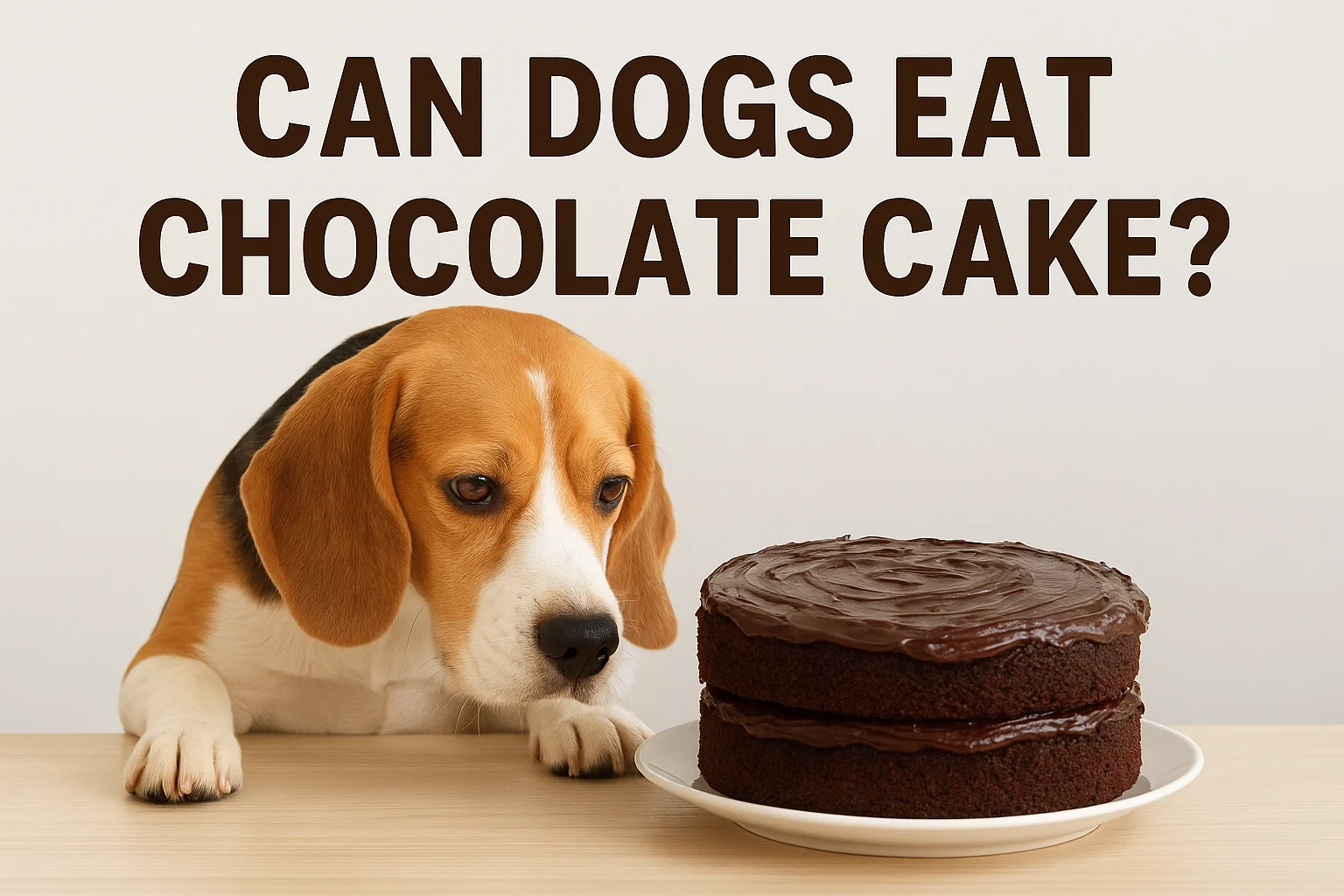
Sharing desserts with family is a delight—but what about sharing chocolate cake with your dog? Many pet owners wonder, “Can dogs eat chocolate cake?” While it may seem harmless to give them a small piece, chocolate cake contains ingredients that can be extremely dangerous for dogs. This post will explain why chocolate cake is unsafe, what risks are involved, what to do if your dog consumes it, and safer alternatives you can offer.
Why Chocolate Cake Tempts Dogs
Chocolate cake typically contains cocoa, sugar, butter, flour, eggs, and frosting. The sweet aroma and taste make it irresistible to humans, and often to our pets, too. Dogs are naturally curious and may try to grab a bite when they see you enjoying cake.
When asking “Can dogs eat chocolate cake?”, it’s important to understand that it’s not just chocolate that poses a risk—other ingredients like sugar, fat, and sometimes nuts can be harmful as well. The combination of these ingredients makes chocolate cake particularly dangerous for dogs.
Chocolate and Dogs: A Dangerous Mix
Chocolate contains compounds called methylxanthines, including theobromine and caffeine, which dogs cannot metabolize efficiently. PetMD’s guide on chocolate toxicity explains how even small amounts of chocolate can affect a dog’s heart, nervous system, and kidneys.
The Effects of Theobromine and Caffeine
When dogs ingest chocolate, theobromine can cause vomiting, diarrhea, restlessness, rapid heart rate, muscle tremors, and, in severe cases, seizures. The darker the chocolate, the higher the concentration of theobromine, increasing the risk of poisoning. For example, dark chocolate or cocoa powder in a chocolate cake is far more dangerous than milk chocolate.
Chocolate Types and Risk Levels
Different types of chocolate contain varying levels of theobromine. Dark chocolate and baking cocoa are especially toxic, while milk chocolate is less concentrated but still unsafe. Even a small piece of chocolate cake can become harmful if it contains chocolate chips or rich frosting. For detailed veterinary advice, see Vets Now’s guide on chocolate ingestion in dogs.
Can Dogs Eat Chocolate Cake? The Answer
In short, dogs should never eat chocolate cake. Chocolate cake combines toxic ingredients with sugar, fat, and sometimes harmful additives like nuts or raisins. Vets Now confirms that chocolate cake contains several elements that are unsafe for dogs. Even a seemingly small bite can cause serious health problems, depending on your dog’s size and the type of chocolate used.
Risks of Chocolate Cake for Dogs
Digestive Upset
The high sugar and fat content in chocolate cake can cause vomiting, diarrhea, abdominal pain, and bloating. Ingredients like frosting, butter, and oils make the digestive upset worse.
Toxic Reaction
The theobromine and caffeine in chocolate can lead to rapid heart rate, tremors, seizures, and kidney issues. Small dogs are at a higher risk because a lower amount of chocolate can affect them significantly. For more details on chocolate toxicity levels, see PetMD’s toxicity guide.
Other Dangerous Ingredients
Some chocolate cakes contain macadamia nuts, raisins, xylitol, or coffee-based toppings. All of these can intensify the risk and lead to serious health complications.
Long-term Health Issues
Even if your dog does not show immediate symptoms, the sugar and fat in chocolate cake can contribute to obesity, pancreatitis, and insulin resistance over time. Regular exposure can also encourage unhealthy eating habits.
What to Do if Your Dog Eats Chocolate Cake
If your dog consumes chocolate cake, act quickly:
- Identify the ingredients: Determine if the cake had dark chocolate, cocoa powder, nuts, or frosting.
- Measure the amount: Small bites may be less dangerous than large servings, but size matters.
- Monitor your dog: Watch for vomiting, diarrhea, restlessness, rapid breathing, or tremors.
- Contact your vet immediately: Provide the cake’s ingredient list and your dog’s weight. Vets Now offers guidance for urgent chocolate ingestion cases.
- Follow veterinary instructions: Do not attempt home remedies unless advised. Treatment may include inducing vomiting, administering activated charcoal, and intravenous fluids.
When Is It an Emergency?
A dog consuming dark chocolate or cocoa powder in large amounts is considered an emergency. For example, one 500-gram bar of dark chocolate could be fatal for a 30 kg dog. Quick intervention can prevent serious complications. (Vets Now guide)
How to Prevent Chocolate Cake Incidents
- Keep cakes and desserts out of reach.
- Secure trash bins and compost areas to prevent scavenging.
- Educate family members and guests not to share cake with dogs.
- Provide dog-safe alternatives to satisfy their cravings.
- Consider baking special dog-friendly treats for celebrations.
Safer Alternatives to Chocolate Cake
If you want your dog to enjoy a treat without risk:
- Dog-friendly cakes: Made with peanut butter (xylitol-free), unsweetened apple or banana puree, and oat flour.
- Plain cooked meats: Unseasoned lean chicken or turkey.
- Safe fruits: Apples, bananas, blueberries (in moderation).
- Dog treats: Store-bought treats formulated for canine health.
- Frozen yogurt bites: Plain yogurt with small amounts of dog-safe peanut butter.
Providing safe alternatives ensures your dog can celebrate with you without health risks.
Additional Resources
For more information on whether other foods are safe for dogs:
These guides offer detailed insights into feeding safe fruits and treats to dogs.
Conclusion: Can Dogs Eat Chocolate Cake?
The question “Can dogs eat chocolate cake?” has a definitive answer: no. Chocolate cake contains toxic chocolate, sugar, fat, and sometimes other harmful ingredients. Even a small amount can cause vomiting, diarrhea, rapid heart rate, tremors, or more severe symptoms.
Prevention is the best approach. Keep chocolate and desserts away from pets, provide dog-safe treats, and always be cautious during celebrations. If your dog does eat chocolate cake, contact your veterinarian immediately and provide all details for proper treatment.
For expert guidance on chocolate toxicity, you can consult PetMD’s comprehensive guide and Vets Now’s expert advice.
By following these precautions, you can keep your dog safe while still enjoying special treats responsibly.
What do you think?
Related Articles

What Vegetables Can Dogs Eat? Safe and Unsafe Vegetables
Many vegetables are safe and healthy for dogs, but some can be dangerous. Learn what vegetables dogs can eat, what they can eat daily, and

Can Dogs Eat Anchovies? Benefits, Risks, and Safe Guide
Can dogs eat anchovies safely? Discover the benefits, risks, and proper way to feed anchovies to dogs. Learn how these small fish can support your

Can Dogs Eat White Chocolate? A Complete Safety Guide
Can dogs eat white chocolate or is it dangerous? Discover the risks, symptoms of chocolate poisoning, and what to do if your dog eats white
[…] Kiwi should comprise no more than 10% of daily treats. It should never replace balanced dog food. (PetDogHabits) […]
[…] For a more detailed step-by-step on feeding safe fruits to dogs, see this helpful resource. […]
Comments are closed.