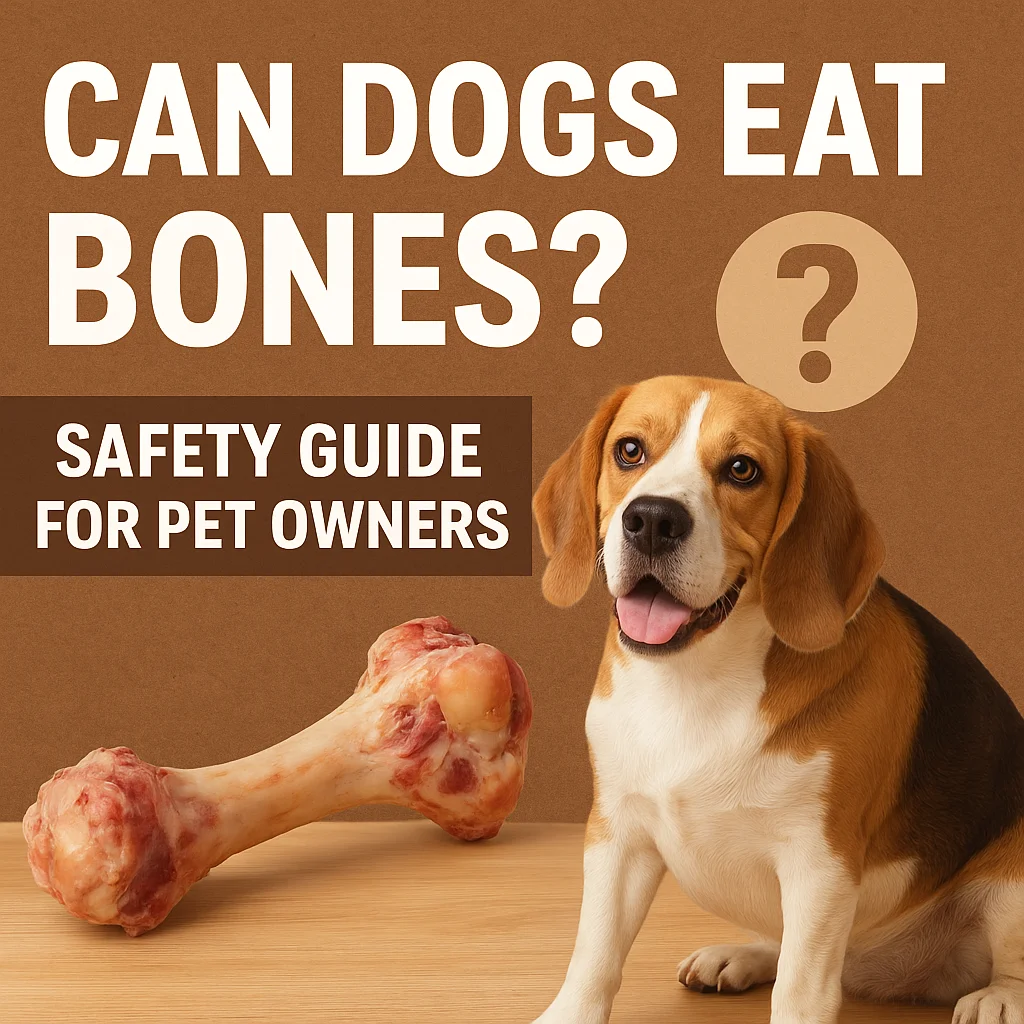
When caring for your pup, a common question arises: Can Dogs Eat Bones? Many pet parents wonder whether it’s safe or whether giving bones is just a natural treat. In this post, I’ll break down all the benefits, risks, safer options, and alternatives — so you can make an informed decision for your dog.
Why People Ask: Can Dogs Eat Bones?
First and foremost, chewing is instinctive for dogs. They love to gnaw, relieve boredom, and reduce stress. Additionally, many of us grew up seeing dogs happily chewing bones, leading us to assume that bones are healthy.
Yet, we must ask: Can Dogs Eat Bones? The answer is not straightforward.
What Experts Say About Bones
The Risks Are Significant
Veterinarians and animal-care professionals raise serious concerns regarding whether Can Dogs Eat Bones safely. According to PetMD, bones of any kind — cooked or raw — carry real dangers.
One major risk comes from splintering. Cooked bones become brittle and can break into sharp pieces, potentially injuring the mouth, throat, or intestines. According to AKC, cooked bones are particularly dangerous because they often shatter into small shards.
Small or round bones pose choking risks, and dogs may swallow them whole. (PetMD)
Additionally, bones can cause intestinal blockage. Fragments may obstruct the digestive tract, which can be life-threatening. (Advanced Care Animal Clinic)
Hard bones can also lead to dental damage, as some bones are extremely tough and can fracture teeth. (PetMD)
Raw bones carry bacterial risks, including Salmonella and E. coli, which can infect both dogs and humans. (PetMD)
Which Bones Are Dangerous and Which Are Safer
Bones to Avoid
- Cooked bones: Any cooked poultry, beef, or pork bones can splinter. (AKC)
- Pork rib bones: High fat content may trigger pancreatitis, and the bones often splinter. (AKC)
- Small or hollow bones: Chicken wings or drumsticks break easily and can be swallowed. (PetMD)
- Round bones: These can get stuck in the throat or jaw. (Advanced Care Animal Clinic)
Safer Bones (With Supervision)
- Raw meaty bones: Some experts say raw bones with meat left on them are safer because they splinter less. (AKC)
- Large raw bones: Should be bigger than your dog’s muzzle to avoid swallowing. (AKC)
- Bulged bones: Bulbous ends prevent swallowing and keep the bone chewable longer. (Advanced Care Animal Clinic)
Even “safer” bones must be monitored closely. Vet approval is crucial because each dog’s health and chewing style differ.
Guidelines for Giving Bones to Dogs
If you decide to let your dog chew bones, follow these steps:
- Consult Your Vet
Always ask your veterinarian before introducing bones, as they know your dog’s health history.
- Pick the Right Bone
Choose large, raw bones with bulges, avoiding cooked, small, or brittle ones.
- Supervise Chewing
Watch your dog closely. Remove the bone if it cracks or splinters. (AKC)
- Limit Chewing Time
10–15 minutes per session is enough, especially for raw bones. (Advanced Care Animal Clinic)
- Store Bones Properly
Keep raw bones refrigerated and discard after a few days. (AKC)
- Dispose of Unsafe Bones
Remove bones that become small or brittle.
- Consider Alternatives
Use safer chew options, such as PetMD dental chews or rubber/nylon toys.
What to Do If Your Dog Eats a Bone Accidentally
Even with precautions, accidents happen:
- Stay Calm
Assess the situation carefully. (AKC)
- Watch for Warning Signs
Symptoms include vomiting, lethargy, bloody or hard stools, abdominal pain, and difficulty breathing. (AKC)
- Call Your Vet
Immediate veterinary attention may be necessary for X-rays or surgery. (PetMD)
- Avoid DIY Remedies Without Vet Guidance
Never attempt home treatments unless your vet approves. (AKC)
- Prevent Future Incidents
Dog-proof trash, supervise meals, and train your dog to leave bones alone.
Safer Alternatives to Bones
Since Can Dogs Eat Bones carries risks, consider these alternatives:
Conclusion: Can Dogs Eat Bones?
So, Can Dogs Eat Bones? Yes, but only with strict precautions. The risks often outweigh the benefits. Cooked bones are dangerous, raw bones require supervision, and safer alternatives exist.
- Talk to your vet.
- Choose large, raw bones with bulges.
- Supervise chewing and discard unsafe bones.
- Consider safe chew substitutes like dental chews or rubber toys.
Veterinary experts (PetMD, AKC, Advanced Care Animal Clinic) agree: safety comes first.
For safer dietary advice, read these guides on PetDogHabits.
[…] can also refer to our detailed guides on can dogs eat bones and can dogs eat lentils for safe feeding tips on other human […]
[…] For further safety tips on human foods, you might also want to read our guides on can dogs eat mandarins or safe food practices like bones. […]
Comments are closed.