Can Dogs Eat Unsalted Peanuts? A Complete 2025 Guide
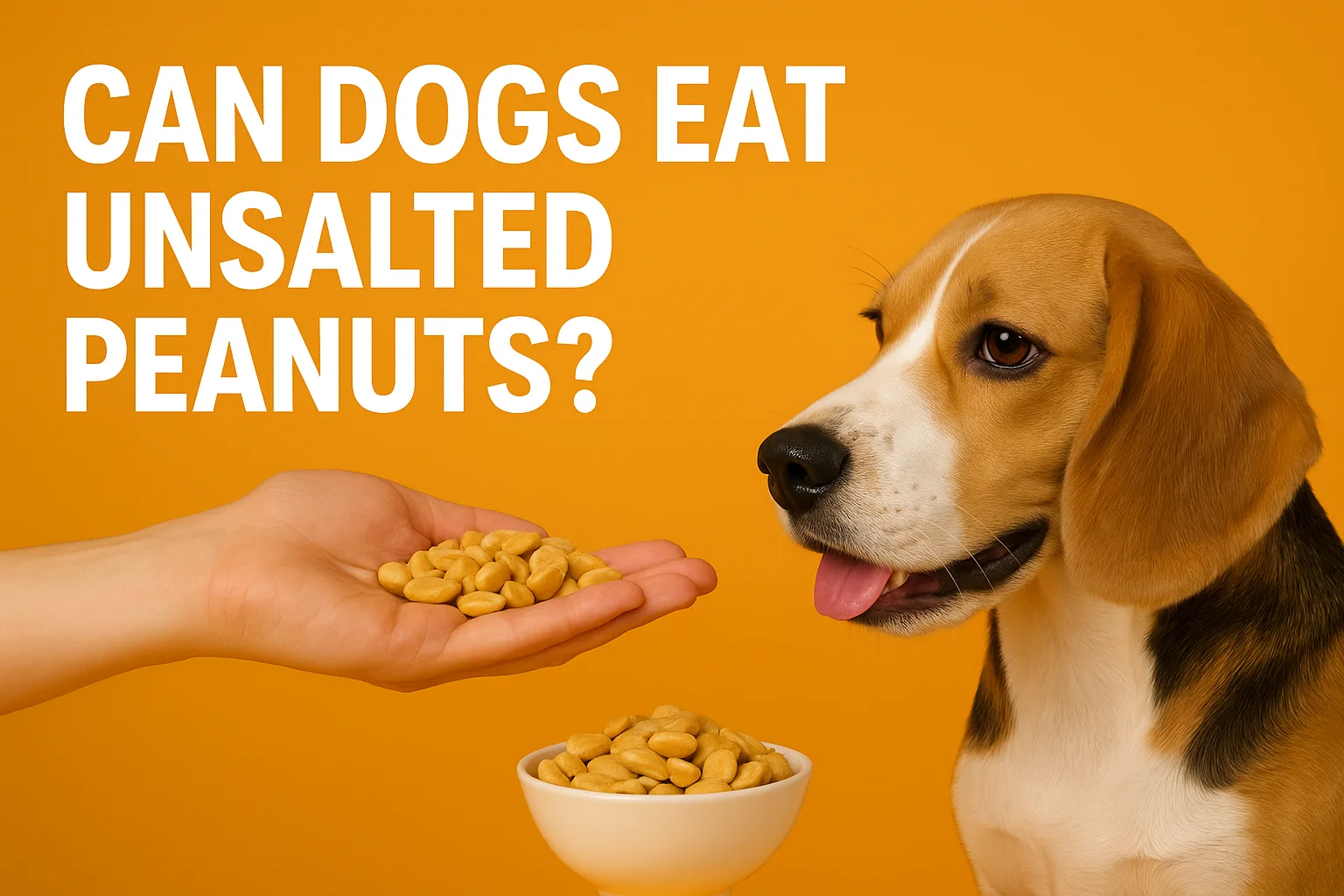
When you sit down with a crunchy, salty bowl of peanuts, it’s natural for your dog to wander over with hopeful eyes. At that moment, many owners wonder: Can dogs eat unsalted peanuts safely? While peanuts are not toxic to dogs, there are important safety rules, health considerations, and feeding guidelines you must follow before offering even a single nut.
This comprehensive guide will walk you through everything — nutritional value, serving recommendations, risks, and expert insights — so you can make the best decision for your pet.
What Makes Unsalted Peanuts Appealing to Dog Owners?
Many dog owners consider peanuts because they’re rich, fragrant, and packed with nutrients. They also smell enticing enough that most dogs instantly become interested. Peanuts naturally contain:
- Protein
- Healthy fats
- Vitamin E
- Vitamin B6
- Niacin
- Manganese
According to the American Kennel Club, peanuts provide beneficial nutrients when fed properly. However, even though the nutritional profile looks good on paper, moderation and careful preparation matter enormously.
Are Unsalted Peanuts Actually Safe for Dogs?
Yes — but only when served correctly
The good news is that peanuts are generally considered safe for most dogs in small quantities. Unlike macadamia nuts or walnuts, peanuts are not toxic.
However, there are several conditions:
- They must be unsalted
- They must be shell-free
- They should be raw or dry-roasted
- They should be fed sparingly, not daily
Dogs with sensitive digestion may react poorly, especially if they have a history of stomach upset after fatty foods.
Why Salted or Flavored Peanuts Are a Bad Idea
Salted peanuts might be your go-to snack, but they are not safe for your dog. Excess sodium can lead to dehydration or, in extreme cases, sodium poisoning. The AKC warns that salted nuts create unnecessary health risks when safer alternatives exist.
Flavored peanuts (BBQ, spicy, honey-roasted, chocolate-coated) pose even greater danger due to:
- Artificial sweeteners
- Sugar
- Spices
- Onion/garlic flavoring
- Chocolate coatings
Never feed these to your dog.
The Hidden Dangers: Mold, Fat Content & Allergies
1. High-fat content
Peanuts are extremely rich in fats. Even though these fats are “good” for humans, dogs can struggle to process them. Excessive fat intake can trigger pancreatitis, a painful and potentially serious condition.
2. Aflatoxin risk
Low-quality peanuts may contain aflatoxin, a mold-derived toxin that can harm the liver. PetMD notes that aflatoxin contamination is one reason to serve only human-grade peanuts from reputable sources — and always in moderation.
3. Peanut allergies
Some dogs may be allergic to peanuts. Signs of an allergic reaction include:
- Skin redness
- Facial swelling
- Vomiting
- Difficulty breathing
- Excessive itching
If you notice any of these symptoms after feeding peanuts, stop immediately and contact your veterinarian.
Safe Types of Peanuts for Dogs
Here’s a breakdown of which peanut types are safe — and which ones are not:
Safe Choices
- Raw peanuts
- Dry-roasted peanuts
- Unsalted peanuts
- Unshelled peanuts (shell removed entirely)
- Natural peanut butter with no additives
Purina strongly recommends checking labels carefully because some peanut butter brands include harmful sweeteners. Their guidance emphasizes selecting spreads made from simple, whole ingredients.
Unsafe Choices
- Salted peanuts
- Honey-roasted peanuts
- Chocolate peanuts
- Candy-coated peanuts
- Peanuts in their shells
- Peanut mixes with raisins or other nuts
How Many Unsalted Peanuts Can Dogs Eat?
Treats should make up no more than 10% of a dog’s daily calories. Because peanuts are calorie-dense, portions must be tiny.
Here’s a general guideline:
| Dog Size | Safe Peanut Amount |
|---|---|
| Tiny breeds | 1–2 peanuts |
| Small breeds | 2–3 peanuts |
| Medium breeds | 4–6 peanuts |
| Large breeds | 6–8 peanuts |
These recommendations come from expert nutritional analysis and align with PetMD’s treat-percentage standards.
How to Feed Unsalted Peanuts Safely
To reduce risks, follow these vet-approved steps for serving peanuts correctly:
1. Remove the shell completely
Peanut shells are fibrous, difficult to digest, and can irritate the digestive tract.
2. Crush or chop peanuts
This prevents choking, especially in small dogs or fast eaters.
3. Start with a tiny amount
Introduce peanuts slowly and watch for signs of discomfort or allergies.
4. Avoid daily feeding
Because peanuts are high in fat, they should only be occasional treats.
5. Use peanut butter cautiously
Some brands include xylitol, a deadly substance for dogs. Always check the label. Purina stresses choosing xylitol-free spreads.
Health Benefits of Peanuts (When Served Properly)
When fed responsibly, unsalted peanuts may offer benefits such as:
- Improved coat shine
- Extra protein for muscle development
- Mental enrichment when used in toys
- Vitamin boosts that support cellular function
Still, the occasional health advantage does not outweigh the importance of moderation. Treats should never replace complete diets designed for dogs.
Signs Your Dog May Have Eaten Too Many Peanuts
If your dog overeats peanuts, watch for:
- Vomiting
- Diarrhea
- Gas and bloating
- Lethargy
- Loss of appetite
- Abdominal pain
These symptoms may indicate pancreatitis or gastrointestinal irritation. If you notice worsening signs, contact your vet immediately.
Expert Comparison: Insights From Top Dog-Nutrition Authorities
Comparing the three competitor sources:
- AKC emphasizes serving peanuts sparingly and only in raw or dry-roasted form.
- PetMD focuses heavily on aflatoxin risk and pancreatitis-triggering fat content.
- Purina highlights the dangers of xylitol in peanut butter and the importance of ingredient awareness.
This PetDogHabits guide expands on those points by combining safety rules, serving instructions, behavioral signs, and real-world feeding scenarios.
Can Dogs Eat Unsalted Peanuts? Final Answer
Yes — dogs can eat unsalted peanuts if served safely, in tiny portions, and only occasionally.
Your dog’s long-term health depends on consistent, balanced nutrition. Peanuts should never replace meals or become a daily treat.
Related Guides From PetDogHabits
To learn more about what your dog can and cannot eat, explore these helpful internal guides:
What do you think?
Related Articles
What Vegetables Can Dogs Eat? Safe and Unsafe Vegetables
Many vegetables are safe and healthy for dogs, but some can be dangerous. Learn what vegetables dogs can eat, what they can eat daily, and
Can Dogs Eat Anchovies? Benefits, Risks, and Safe Guide
Can dogs eat anchovies safely? Discover the benefits, risks, and proper way to feed anchovies to dogs. Learn how these small fish can support your

Can Dogs Eat White Chocolate? A Complete Safety Guide
Can dogs eat white chocolate or is it dangerous? Discover the risks, symptoms of chocolate poisoning, and what to do if your dog eats white