Can Dogs Eat Butter?
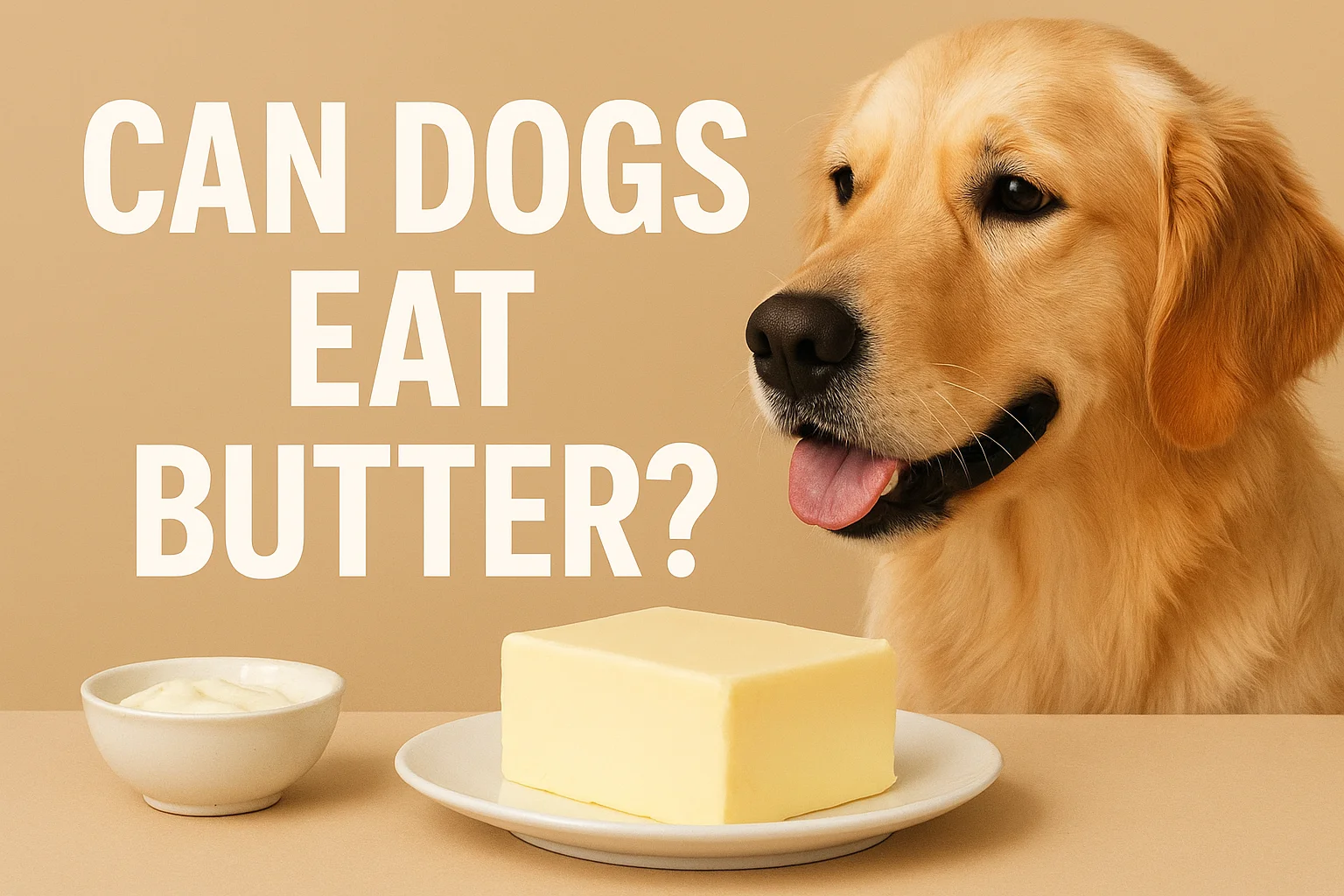
Many dog owners wonder: Can dogs eat butter? After all, butter seems harmless—just dairy fat, right? In this detailed guide, you’ll learn whether butter is safe for your dog, when it might pose risks, and what to serve instead if you want to give your pet healthy, dog-friendly treats.
We’ll explore nutrition facts, portion guidelines, possible hazards such as lactose intolerance or fat-related issues, and even healthy alternatives. By the end, you’ll have a clear understanding of whether butter deserves a place in your dog’s diet.
Is Butter Safe for Dogs?
In short: sometimes, but cautiously.
Butter itself is not toxic to dogs. It’s simply dairy fat. However, that doesn’t make it an ideal food. Many veterinarians and pet-health experts advise caution precisely because butter carries two major challenges:
- High fat content can upset their digestive system or lead to pancreatitis.
- Potential lactose intolerance, especially in adult dogs whose digestive enzymes may have diminished.
According to data from [PetMD], many dogs struggle to digest dairy products properly. Meanwhile, consumer-pet safety analyses like those on [Healthline] suggest that any dairy-based food must be given sparingly—if at all—and only when you’re sure your dog tolerates it.
Therefore, butter isn’t “poison,” but it isn’t a nutritional powerhouse either. It should be treated more like a rare treat than a regular snack.
What’s in Butter (From a Dog’s Perspective)?
Before deciding whether to feed your dog butter, let’s look at what butter actually contains:
- Very high fat — about 80–82% fat by weight.
- Minimal protein or fiber, and only trace lactose.
- Calories — roughly 100 calories per tablespoon (varies slightly by brand).
Because of this composition, butter delivers a lot of calories with almost no beneficial nutrients for dogs. In contrast, protein sources like meat, poultry, or fish provide amino acids, vitamins, and minerals that dogs actually need.
Although fat is not inherently bad — dogs do require certain fats — too much fat in one go can overwhelm their digestive system or even trigger conditions like pancreatitis. As a result, butter offers more risk than benefit for most dogs.
Potential Risks of Feeding Butter to Dogs
Risk #1: Digestive Upset & Diarrhea
Many dogs lack sufficient lactase enzyme after puppyhood. As a result, dairy components in butter — even small amounts — may cause gas, bloating, or diarrhea.
Risk #2: Pancreatitis or Pancreatic Stress
Feeding fatty foods can overstimulate a dog’s pancreas. Over time — especially if butter is given repeatedly — that can lead to inflammation (pancreatitis), which often requires veterinary treatment.
Risk #3: Weight Gain & Obesity
Given its high-calorie and fat content, butter can contribute to unwanted weight gain, especially in less active or senior dogs.
Risk #4: No Real Nutritional Upside
Unlike lean meats or fish, butter doesn’t offer the proteins, vitamins, or minerals dogs need for growth, skin health, immune function, or energy.
Because of these risks, many pet-food experts recommend skipping butter altogether. For healthier fat sources, foods like fish oil or small amounts of plain yogurt are far safer and more beneficial.
When (If Ever) Butter Might Be Acceptable
Even though it’s not ideal, butter might be acceptable occasionally — only if:
- Your dog tolerates dairy well (no prior whitening or stool issues).
- You offer a very small portion — think a tiny lick or a pea-sized dab.
- It’s a rare treat, not a regular part of meals.
- Your dog has high energy needs (e.g., very active or working dogs).
Still, most vets and pet nutrition guides suggest choosing lower-fat, dog-safe alternatives whenever possible.
How Butter Compares to Other Dog-Safe Foods
To get a clearer picture, let’s compare butter to more wholesome options:
| Food Type | Benefit to Dog | Potential Risk |
|---|---|---|
| Butter | None (mainly fat & calories) | Digestive upset, pancreatitis, weight gain |
| Lean Meat (chicken, lamb, fish) | High-quality protein, vitamins, minerals | Allergies, bone safety (if not prepared correctly) |
| Plain Yogurt (unsweetened) | Probiotics, digestible fats, calcium | Probiotics, digestible fats, and calcium |
| Cooked Sweet Potato / Rice | Fiber, digestible carbs, vitamins | Some dogs are still lactose sensitive |
| Fish Oil / Salmon (small cooked amounts) | Omega-3 fats, joint/skin support | Fish bones risk if unprepared |
As shown above, lean meats, properly prepared vegetables, or safe dairy alternatives generally deliver more nutritional value with lower risk compared to butter.
What Pet Experts Say About Dairy & Dogs
Reliable veterinary nutrition resources like [ButternutBox] explain that many common dairy-based foods — including butter — offer little nutritional benefit for dogs and may cause more harm than good. Similarly, [Healthline] underscores that dogs are typically adapted to diets rich in animal proteins and fats from meat, rather than processed dairy products.
Because of these perspectives, most responsible dog-food guides recommend treating butter as a seldom-used indulgence — if used at all.
What to Do Instead of Butter: Healthier Treats & Fats
If you want to give your dog something tasty and healthy, consider these alternatives:
- Plain, cooked meats — chicken, turkey, lamb, or fish provide proteins and beneficial fats without excessive calories. (See our detailed lamb feeding guide on PetDogHabits to learn safe lamb feeding practices.)
- Unsalted peanut butter (in moderation) — many dogs enjoy it, and when unsalted and free of xylitol, it can be an acceptable occasional treat (see our peanuts guide for more info).
- Plain yogurt or low-fat cottage cheese — small amounts can deliver calcium and beneficial bacteria.
- Cooked vegetables or plain rice/sweet potato — these provide fiber and gentle energy.
- High-quality fish oils or salmon (properly cooked, deboned) — these deliver healthy omega-3 fats, great for coat, joints, and brain health.
Use these instead of butter for a more balanced, dog-safe treat plan.
How to Decide If Butter Is (Ever) Right for Your Dog
Before offering any butter to your dog, run through this quick checklist:
- Does your dog digest dairy well? (No prior dairy reactions)
- Is the portion extremely small and occasional?
- Does your dog have no history of pancreatitis, obesity, or digestive issues?
- Are you offering butter-free alternatives regularly?
- Do you observe your dog for any negative reaction after giving butter?
If you answer yes to all five, a tiny lick might be okay. Otherwise, skip it.
Signs Your Dog Didn’t Tolerate Butter — What to Watch For
After feeding butter (for the first time or again), watch for:
- Soft stools or diarrhea
- Excessive gas or bloating
- Vomiting
- Lethargy or refusal to eat
- Signs of abdominal pain (whining, restlessness)
- Dehydration
If any of these appear — especially digestive distress or unusual behavior — stop giving butter and consult your vet immediately.
Final Verdict: Butter Is Mostly a “No” — But With Rare Exceptions
To sum up: butter is not a recommended food for dogs, though a very small amount might pass in rare cases. It contains almost no useful nutrients, but plenty of fat and calories — the wrong kind for most dogs.
For most pet owners who care about long-term health, weight management, and digestive comfort, butter offers no real benefit. Instead, choose lean meats, wholesome fats, or dog-safe treats that deliver real nutrition and maintain well-rounded health.
If you want to give your dog a treat, reach for a small piece of plain cooked meat, a dab of unsalted peanut-flavored treat, or some plain cooked vegetable. These choices align better with canine dietary needs and reduce the risk of discomfort or illness.
Tags
What do you think?
Related Articles

What Vegetables Can Dogs Eat? Safe and Unsafe Vegetables
Many vegetables are safe and healthy for dogs, but some can be dangerous. Learn what vegetables dogs can eat, what they can eat daily, and
Can Dogs Eat Anchovies? Benefits, Risks, and Safe Guide
Can dogs eat anchovies safely? Discover the benefits, risks, and proper way to feed anchovies to dogs. Learn how these small fish can support your

Can Dogs Eat White Chocolate? A Complete Safety Guide
Can dogs eat white chocolate or is it dangerous? Discover the risks, symptoms of chocolate poisoning, and what to do if your dog eats white