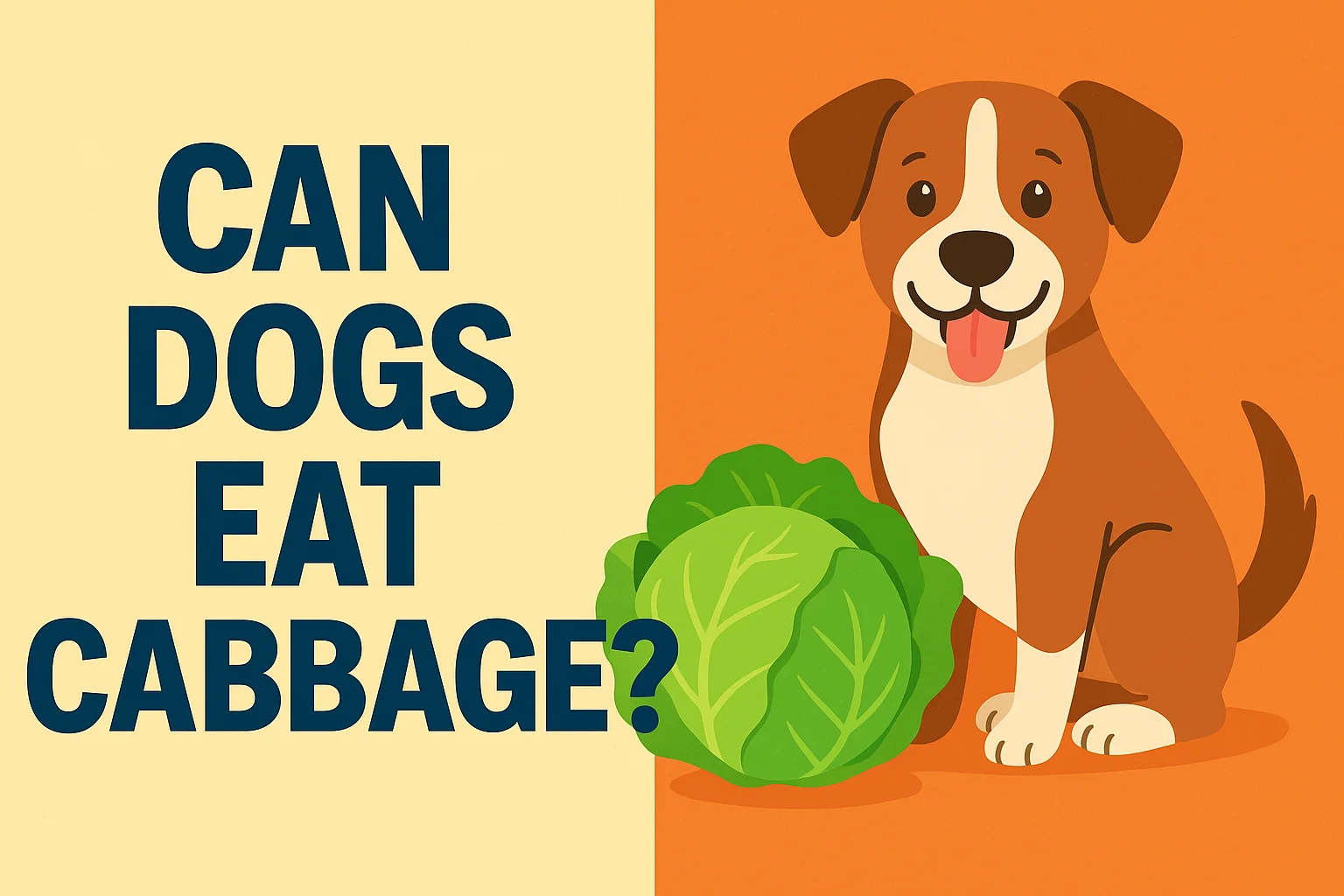
If you are a dog owner, you might have wondered: can dogs eat cabbage? Cabbage is a common vegetable in many households, packed with vitamins and fiber. While it may seem like a healthy treat for your furry friend, it is important to understand both the benefits and potential risks before offering it to your dog. This guide will help you make informed decisions about including cabbage in your dog’s diet.
Why Cabbage Might Be Good for Dogs
Cabbage is low in calories, high in fiber, and rich in nutrients. These qualities make it an attractive option for a light, healthy snack.
- Supports Digestive Health: The fiber in cabbage can aid digestion and help regulate bowel movements. Small, controlled portions may even help relieve mild constipation.
- Nutrient-Rich: Cabbage contains vitamins such as vitamin C, vitamin K, and antioxidants that can contribute to overall health, supporting immunity and promoting healthy skin.
- Low-Calorie Treat: For dogs that need to maintain a healthy weight, cabbage offers a filling snack without adding extra calories.
Overall, when prepared properly, cabbage can be a nutritious addition to your dog’s diet in moderation.
Potential Risks of Feeding Cabbage to Dogs
Despite its health benefits, cabbage is not without risks. Understanding these concerns ensures your dog stays safe and healthy.
Digestive Issues
Cabbage contains compounds that can ferment in the gut, potentially causing gas, bloating, and discomfort. Raw cabbage is harder to digest and may increase the likelihood of these issues, especially in dogs with sensitive stomachs.
Thyroid Concerns
Cabbage belongs to the cruciferous vegetable family, which contains compounds that may interfere with thyroid function if consumed in large quantities over time. While small amounts are generally safe, dogs with existing thyroid problems should avoid frequent or large servings of cabbage.
Choking Hazards
Large or tough cabbage leaves can be difficult for dogs to chew and digest. Always cut cabbage into small, manageable pieces to prevent choking or digestive discomfort.
Overfeeding Effects
Feeding too much cabbage can disrupt your dog’s digestive system, leading to diarrhea, vomiting, or persistent gas. Moderation is key.
How to Safely Introduce Cabbage
To minimize risks and maximize benefits, follow these guidelines:
- Cook Before Serving: Steaming or boiling cabbage softens the fibers, making it easier for dogs to digest. Avoid adding oils, spices, or seasonings.
- Cut into Small Pieces: Remove thick stems and core, and dice the leaves into small, bite-sized portions.
- Introduce Gradually: Begin with a small portion and observe your dog for any adverse reactions over 24–48 hours.
- Moderation is Essential: Treat cabbage as an occasional snack, not a primary part of your dog’s diet.
Recommended Portion Sizes
- Extra-small dogs (2–20 lbs): About 1 teaspoon or less per serving
- Small dogs (21–30 lbs): 1–2 teaspoons
- Medium dogs (31–50 lbs): 1 tablespoon
- Large dogs (51–90 lbs): 1–2 tablespoons
- Extra-large dogs (90+ lbs): Up to ¼ cup
These portions provide the benefits of cabbage without overwhelming your dog’s digestive system.
Ways to Serve Cabbage to Dogs
There are several ways to include cabbage safely in your dog’s diet:
- Steamed Cabbage: Lightly steaming cabbage preserves nutrients while softening it for easier digestion.
- Mixed with Regular Meals: Add a small amount of cooked cabbage to your dog’s regular food to enhance nutrition.
- Homemade Dog Treats: Combine finely chopped cabbage with dog-safe ingredients like oats and peanut butter to create healthy treats.
Always avoid raw cabbage for the first few introductions, and never use seasonings that are harmful to dogs, such as garlic, onions, or excessive salt.
Signs Your Dog May Not Tolerate Cabbage
Even small amounts of cabbage may not suit all dogs. Watch for the following signs:
- Excessive gas or bloating
- Diarrhea or loose stools
- Vomiting or discomfort after eating
- Changes in appetite or unusual behavior
If any of these symptoms occur, stop feeding cabbage immediately and consult your veterinarian.
Alternatives to Cabbage
If your dog does not tolerate cabbage or you want to offer variety, consider these dog-friendly vegetables:
- Carrots: High in fiber and beta-carotene, great for crunchy snacks.
- Green Beans: Low-calorie and safe for most dogs, providing vitamins and fiber.
- Pumpkin: Supports digestion and helps with both constipation and diarrhea.
- Zucchini: Easy to digest and low in calories, making it a good alternative.
These vegetables offer similar nutritional benefits without the potential digestive side effects of cabbage.
Key Takeaways
- Dogs can eat cabbage in small, controlled portions.
- Cooking cabbage makes it easier to digest and reduces the risk of gas.
- Introduce cabbage gradually and observe for any adverse reactions.
- Avoid overfeeding and treat cabbage as a supplement, not a main meal.
- Dogs with thyroid problems or sensitive stomachs should consume cabbage cautiously or avoid it altogether.
Feeding your dog cabbage occasionally can provide nutrients, fiber, and low-calorie snacking benefits. By following safe preparation guidelines and monitoring your dog’s reaction, cabbage can become a healthy and enjoyable addition to their diet.


[…] Digestive problems – repeated exposure to gluten or additives may cause chronic digestive upset. […]