
Can Dogs Eat Tortillas?
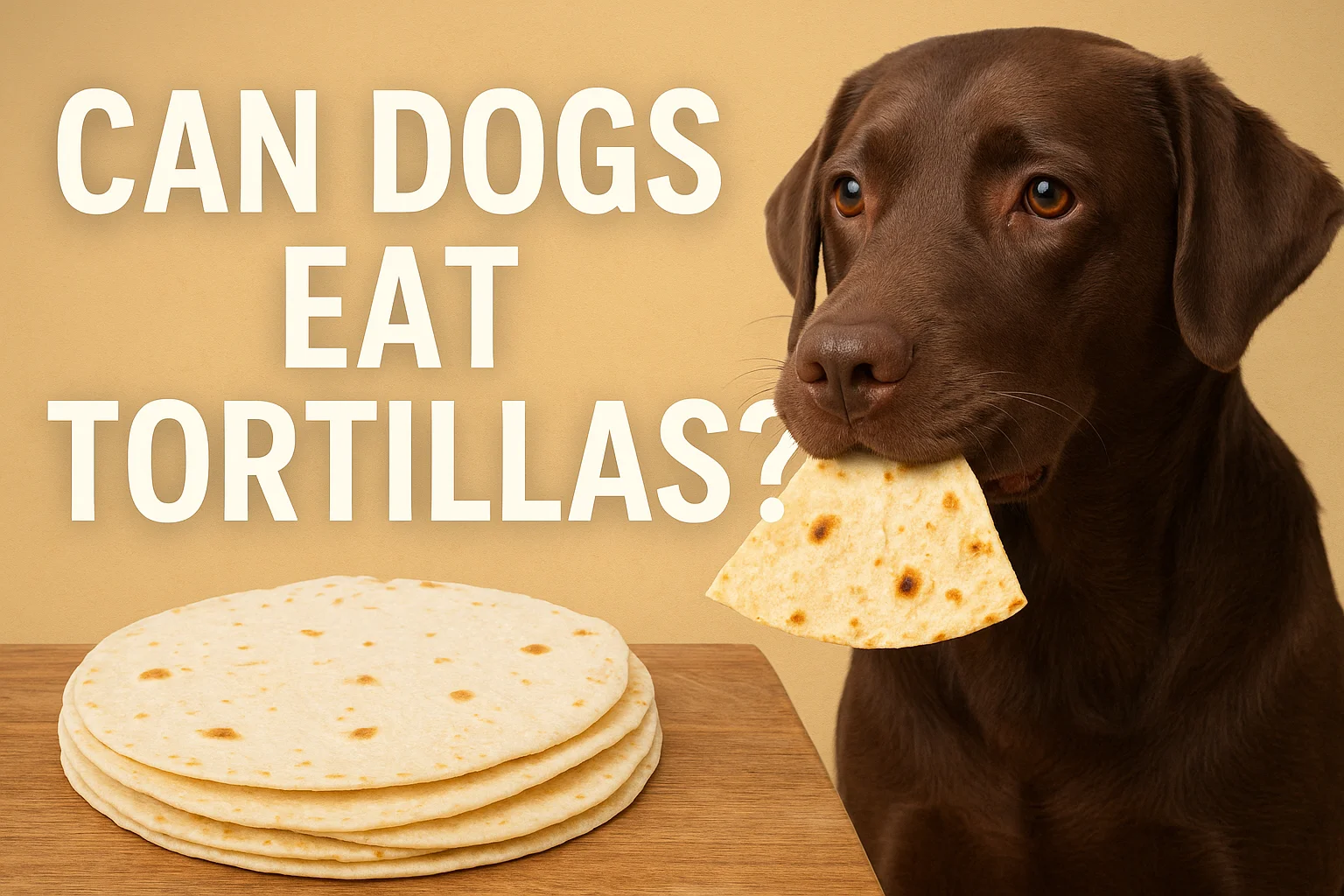
If you’ve ever wondered, “Can dogs eat tortillas?”, you’re not alone. Tortillas are a staple in many households, appearing in wraps, tacos, and burritos. Their soft texture and plain taste often tempt dog owners to share a small piece with their furry friends. At first glance, it might seem harmless — after all, it’s just bread. Yet, while a bite of tortilla may not be immediately dangerous, there are several considerations to keep in mind before feeding it to your dog.
In this guide, we will explore the potential benefits and risks of feeding tortillas to dogs, how to safely offer them, if at all, and healthier alternatives that your dog will enjoy without compromising their health.
Why Some Owners Consider Giving Their Dogs Tortillas
Tortillas are convenient and often available during meals, making them an easy choice for a quick treat. Beyond convenience, some owners may feel that sharing food strengthens their bond with their pet. Dogs are naturally curious and often interested in what humans are eating, so offering a small bite can feel rewarding for both pet and owner.
However, despite the temptation, it’s crucial to evaluate whether tortillas actually benefit a dog’s health. The answer, in most cases, is not really. They are primarily carbohydrates with minimal nutrients, meaning that while they may provide temporary enjoyment, they do not contribute to a balanced diet.
Types of Tortillas and Their Implications for Dogs
Not all tortillas are created equal. Understanding the differences between corn and flour tortillas is important for determining whether they are suitable for dogs.
Corn Tortillas
Corn tortillas are made from cornmeal and are naturally gluten-free. This makes them slightly easier to digest for dogs who might have wheat sensitivities. Plain corn tortillas without added salt or preservatives can occasionally be shared in very small amounts. However, corn itself can be an allergen for some dogs, and overfeeding can contribute to excess carbohydrate intake.
Flour Tortillas
Flour tortillas are typically made from wheat flour, water, oil, and sometimes preservatives. These contain gluten, which some dogs may not tolerate. Flour tortillas also tend to be higher in calories and simple carbohydrates. Many store-bought options include added salt and oils, making them less suitable for dogs, especially if offered regularly.
When feeding a dog a tortilla, a plain, small piece of corn tortilla is generally the safer choice. Regardless of type, tortillas should always be offered sparingly.
Are Tortillas Safe for Dogs?
The simple answer is: occasionally, yes, but with caution. Tortillas are not toxic to dogs, but they are not particularly nutritious either. A small bite is unlikely to cause harm for most healthy dogs, but regular feeding can lead to issues over time. Here’s why:
Minimal Nutritional Value
Tortillas primarily provide carbohydrates and very little protein, fiber, or essential nutrients. Dogs require a diet rich in protein, healthy fats, vitamins, and minerals. Feeding tortillas offers “empty calories” that contribute to energy intake without supporting health. Over time, these calories can lead to weight gain, particularly in smaller or less active dogs.
Risk of Digestive Issues
Dogs with gluten sensitivity may experience digestive upset when consuming flour tortillas. Symptoms include gas, diarrhea, vomiting, or skin irritations. Even corn tortillas can pose a problem if a dog has a corn allergy or sensitivity. Feeding any new food should be done cautiously to monitor for adverse reactions.
Added Ingredients and Preservatives
Store-bought tortillas often contain salt, oils, and preservatives. Excess salt can be harmful to dogs, potentially leading to dehydration or even sodium poisoning in extreme cases. Oils and other additives can also upset a dog’s stomach or contribute to long-term health problems like pancreatitis.
Avoiding Harmful Fillings
Never feed dogs tortillas with added ingredients like cheese, onion, garlic, sauces, or spicy seasonings. These foods can be toxic to dogs and may cause severe illness. Even tortilla chips and fried tortillas should be avoided, as they are greasy, salty, and calorie-dense.
Guidelines for Safely Feeding Tortillas
If you decide to share a tortilla with your dog, follow these safety tips:
- Choose plain tortillas – preferably homemade or preservative-free corn tortillas.
- Offer small portions – just a tiny piece occasionally, not a whole tortilla.
- Avoid toppings or fillings – no butter, cheese, onion, garlic, or sauces.
- Do not make it a habit – limit to occasional treats, not regular feeding.
- Monitor your dog – watch for digestive upset, allergies, or behavioral changes.
- Consider your dog’s health – avoid if your dog is obese, diabetic, or sensitive to gluten or corn.
By following these guidelines, you can minimize the risks associated with feeding tortillas to dogs.
Healthier Alternatives to Tortillas
Instead of tortillas, several dog-friendly treats are both safe and nutritious:
- Lean, cooked meats – unseasoned chicken, turkey, or beef provide protein and healthy fats.
- Vegetables – carrots, green beans, cucumber slices, and pumpkin are low-calorie and high in fiber.
- Fruits – apple slices (without seeds), blueberries, and watermelon can be offered in moderation.
- Plain rice or boiled potatoes – a gentle source of carbohydrates that is safer than tortillas.
- Commercial dog treats – designed to meet nutritional needs without harmful additives.
These options provide nutritional benefits and reduce the risk of digestive issues or obesity compared to tortillas.
Long-Term Considerations
While a small tortilla piece is unlikely to harm a healthy dog, regular feeding can contribute to long-term health issues:
- Weight gain and obesity – extra calories without nutrients can lead to overweight dogs.
- Digestive problems – repeated exposure to gluten or additives may cause chronic digestive upset.
- Nutritional imbalance – human foods like tortillas do not provide the essential nutrients dogs need.
- Potential organ stress – excess salt and oils can affect the pancreas, kidneys, and heart over time.
Veterinarians generally recommend treating tortillas as a rare indulgence rather than a regular snack. Prioritizing species-appropriate foods ensures your dog remains healthy and energetic throughout their life.
Quick Reference for Tortilla Feeding
| Safe Option | Avoid |
|---|---|
| Plain, small piece of corn tortilla | Store-bought tortillas with salt and preservatives |
| Rare, occasional treat | Regular feeding |
| Dog with no gluten/corn sensitivity | Dogs with obesity, diabetes, or allergies |
| No toppings or fillings | Tortillas with cheese, garlic, onion, or sauces |
| Monitor for adverse reactions | Ignoring signs of digestive upset or skin irritation |
Conclusion
So, can dogs eat tortillas? The answer is yes, but rarely and with caution. A small, plain piece of corn or flour tortilla is unlikely to harm a healthy dog. However, tortillas provide little nutritional value and carry risks such as digestive upset, obesity, and potential allergic reactions. They should remain an occasional treat rather than a staple in your dog’s diet.
Ultimately, choosing dog-friendly, nutrient-rich alternatives ensures your pet enjoys treats that are both delicious and supportive of their health. By focusing on safer options like lean meats, vegetables, fruits, and specially formulated dog treats, you can reward your dog without compromising their well-being.
What do you think?
Related Articles

What Vegetables Can Dogs Eat? Safe and Unsafe Vegetables
Many vegetables are safe and healthy for dogs, but some can be dangerous. Learn what vegetables dogs can eat, what they can eat daily, and

Can Dogs Eat Anchovies? Benefits, Risks, and Safe Guide
Can dogs eat anchovies safely? Discover the benefits, risks, and proper way to feed anchovies to dogs. Learn how these small fish can support your

Can Dogs Eat White Chocolate? A Complete Safety Guide
Can dogs eat white chocolate or is it dangerous? Discover the risks, symptoms of chocolate poisoning, and what to do if your dog eats white
[…] If your dog has a history of food sensitivities, consult a veterinarian before introducing edamame. […]
[…] Stay aware of additives – Garlic, onion, and alcohol in some olive preparations are toxic to dogs. […]