Can Dogs Eat Meat? A Complete Guide for Pet Owners
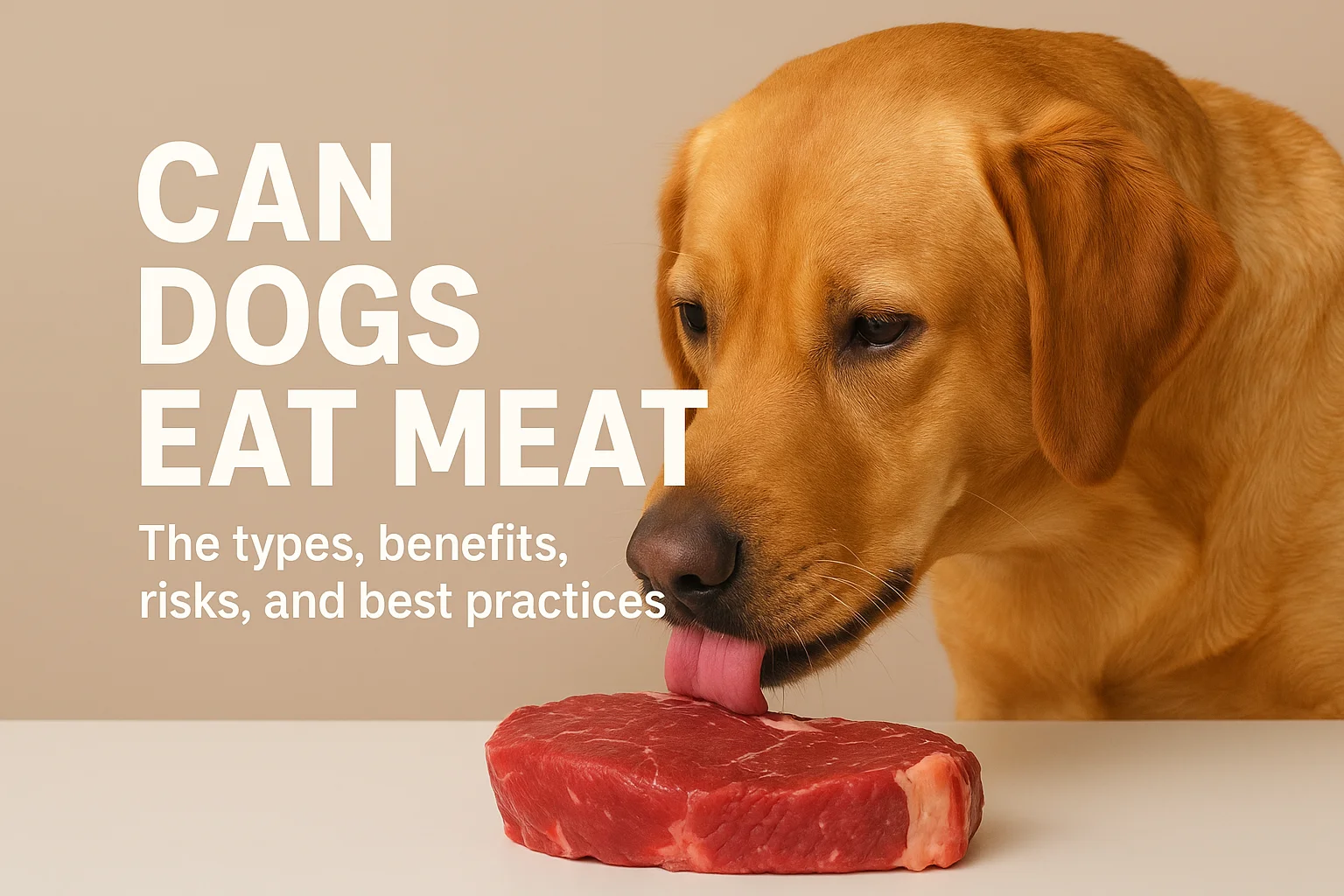
Dogs are often seen as omnivores with a strong preference for meat, but many pet owners are unsure about how much, what type, and which forms of meat are safe for their furry companions. While dogs are biologically adapted to consume meat, understanding the nuances of feeding them raw, cooked, or processed meats is essential for their health and well-being. This guide explores the topic in detail, addressing the benefits, risks, and best practices of including meat in your dog’s diet.
Understanding Dogs’ Dietary Needs
Dogs are classified as omnivores, meaning they can digest both animal and plant-based foods. However, unlike humans, dogs have a shorter digestive tract and a different enzyme composition, making meat an important source of high-quality protein. Proteins provide essential amino acids necessary for muscle development, repair, immune function, and overall energy metabolism. Moreover, meat supplies essential nutrients like iron, zinc, B vitamins, and taurine, which are critical for canine health.
It is essential to remember that while dogs can eat a variety of foods, balance is key. Overfeeding meat or relying solely on animal protein can lead to nutritional imbalances, just as feeding only plant-based foods without sufficient supplementation can cause deficiencies.
Types of Meat Suitable for Dogs
When feeding dogs meat, not all options are created equal. Each type has specific benefits and potential risks.
1. Raw Meat
Raw meat mimics a dog’s ancestral diet and is rich in nutrients. Many advocates of raw feeding argue that it promotes shinier coats, healthier teeth, and better energy levels. Popular choices include beef, chicken, turkey, and lamb. Organ meats, such as liver and kidney, are also nutrient-dense and provide vitamins A, D, and E, which are essential for growth and immunity.
Risks: Raw meat may contain harmful bacteria such as Salmonella or E. coli, which can infect both dogs and humans. Parasites like Toxoplasma gondii or Trichinella spiralis may also be present in undercooked meat. Therefore, proper handling, sourcing from reputable suppliers, and freezing meat to kill parasites are recommended.
2. Cooked Meat
Cooking meat for dogs reduces the risk of bacterial contamination and parasites. Boiling, steaming, or baking meat without seasoning is safe. Cooking should retain nutrients while eliminating pathogens.
Advantages:
- Reduces risk of foodborne illness
- Easier digestion for some dogs
- Can be combined with vegetables and grains for balanced meals
Limitations: Overcooking, especially boiling or frying at high temperatures, can destroy heat-sensitive nutrients such as vitamin B and certain amino acids.
3. Processed Meats (Hot Dogs, Sausages, and Deli Meats)
Processed meats should generally be avoided. High salt, preservatives, and additives can harm dogs’ kidneys, liver, and cardiovascular system. Certain ingredients like onions, garlic, and spices are toxic to dogs.
4. Fish
Fish such as salmon, sardines, and trout are excellent sources of protein and omega-3 fatty acids, which support brain function and coat health. However, raw fish may contain parasites like Anisakis, so it is recommended to cook fish thoroughly or freeze it before feeding. Avoid fish with high mercury content, like shark or swordfish.
Health Benefits of Feeding Meat
Feeding dogs meat in moderation provides several advantages:
- High-Quality Protein: Supports muscle development, repair, and immune health.
- Taurine and L-Carnitine: Amino acids critical for heart function and energy metabolism.
- Rich in Essential Vitamins: Especially B vitamins for energy and cognitive function.
- Improved Coat and Skin: Proteins and fatty acids contribute to healthier fur and skin.
- Mental Stimulation: Chewing raw meaty bones can provide enrichment and reduce anxiety.
Risks and Considerations
While meat is beneficial, there are potential risks if not handled properly:
- Bacterial Infections: Raw meat can harbor harmful pathogens.
- Pancreatitis: High-fat meats may trigger digestive inflammation in sensitive dogs.
- Choking Hazards: Bones, especially cooked ones, can splinter and cause blockages or injuries.
- Allergies: Some dogs may develop food sensitivities to certain meats, resulting in skin irritation, vomiting, or diarrhea.
How to Introduce Meat into Your Dog’s Diet
Introducing meat requires careful planning:
- Start Slowly: Begin with small portions to allow the dog’s digestive system to adjust.
- Observe Reactions: Monitor for signs of allergies or digestive upset.
- Balance the Diet: Combine meat with vegetables, grains, or commercial dog food for complete nutrition.
- Rotate Protein Sources: Using different meats helps prevent nutrient deficiencies and reduces the risk of developing allergies.
Portion Guidelines
Portion size depends on your dog’s age, size, activity level, and health condition. A general guideline is that protein should make up 25–30% of daily caloric intake for adult dogs, but consulting a veterinarian ensures accurate calculation tailored to your pet. Puppies, working dogs, and lactating females may require higher protein levels for growth and energy.
Safe Feeding Practices
To minimize risks:
- Wash Hands and Surfaces: After handling raw meat, clean thoroughly.
- Use Fresh or Frozen Meat: Avoid meat left at room temperature for long periods.
- Avoid Toxic Additives: Do not add salt, garlic, onions, or spices.
- Monitor Bone Consumption: Offer raw bones cautiously, and avoid cooked bones.
- Veterinary Consultation: Always consult your vet before major diet changes.
Meats to Avoid
Certain meats are unsafe or potentially harmful:
- Pork: Can carry parasites unless thoroughly cooked.
- Processed Meats: Hot dogs, sausages, or deli meats with additives.
- Cooked Bones: Splinter easily, causing injuries.
- High-Fat Cuts: May trigger pancreatitis in susceptible dogs.
Signs of Meat-Related Problems
After feeding meat, watch for:
- Vomiting or diarrhea
- Lethargy or lack of appetite
- Skin rashes or itching
- Signs of abdominal pain or bloating
If any of these occur, consult your veterinarian promptly.
Expert Recommendations
Veterinarians generally advise moderation and balance. While meat is a valuable component of a dog’s diet, it should complement other nutrients, including carbohydrates, vitamins, and minerals. Commercial dog foods are formulated to meet these requirements, and home-prepared diets must be carefully planned to avoid deficiencies.
FAQs About Dogs and Meat
Q: Can dogs eat raw beef safely?
A: Yes, if sourced from a reputable supplier and handled safely, but freezing or cooking is recommended to reduce risk.
Q: How often can dogs eat meat?
A: Meat can be fed daily as part of a balanced diet, but protein levels should not exceed dietary requirements.
Q: Are organ meats necessary?
A: Organ meats are nutrient-dense and can be fed in moderation to support vitamin intake, but overfeeding may lead to vitamin toxicity.
Q: Can puppies eat meat?
A: Yes, meat is essential for growth, but portions and preparation must be appropriate for their developing digestive system.
Q: Can dogs eat chicken bones?
A: Never feed cooked bones; raw chicken bones are slightly safer but still carry risks, so supervision is crucial.
Conclusion
Meat can be a nutritious and enjoyable component of a dog’s diet when introduced and managed correctly. By understanding the types of meat, potential risks, portion guidelines, and safe feeding practices, pet owners can provide high-quality nutrition that supports overall health, energy, and longevity.
Ultimately, balance and moderation are key. Meat alone cannot provide all the nutrients a dog needs, but when combined with other food sources and proper veterinary guidance, it becomes an essential part of a healthy, well-rounded diet.
Feeding meat responsibly ensures that your dog not only enjoys its meals but also thrives physically and mentally, fostering a long, healthy, and happy life.
What do you think?
Related Articles

What Vegetables Can Dogs Eat? Safe and Unsafe Vegetables
Many vegetables are safe and healthy for dogs, but some can be dangerous. Learn what vegetables dogs can eat, what they can eat daily, and

Can Dogs Eat Anchovies? Benefits, Risks, and Safe Guide
Can dogs eat anchovies safely? Discover the benefits, risks, and proper way to feed anchovies to dogs. Learn how these small fish can support your

Can Dogs Eat White Chocolate? A Complete Safety Guide
Can dogs eat white chocolate or is it dangerous? Discover the risks, symptoms of chocolate poisoning, and what to do if your dog eats white
[…] Crab meat must always be fully cooked before offering it to a dog. […]
[…] fully cooked, unseasoned pork in small portions can be safe for some dogs. However, processed, fatty, raw, or seasoned pork creates serious health […]