
Can Dogs Eat Shrimp Tails
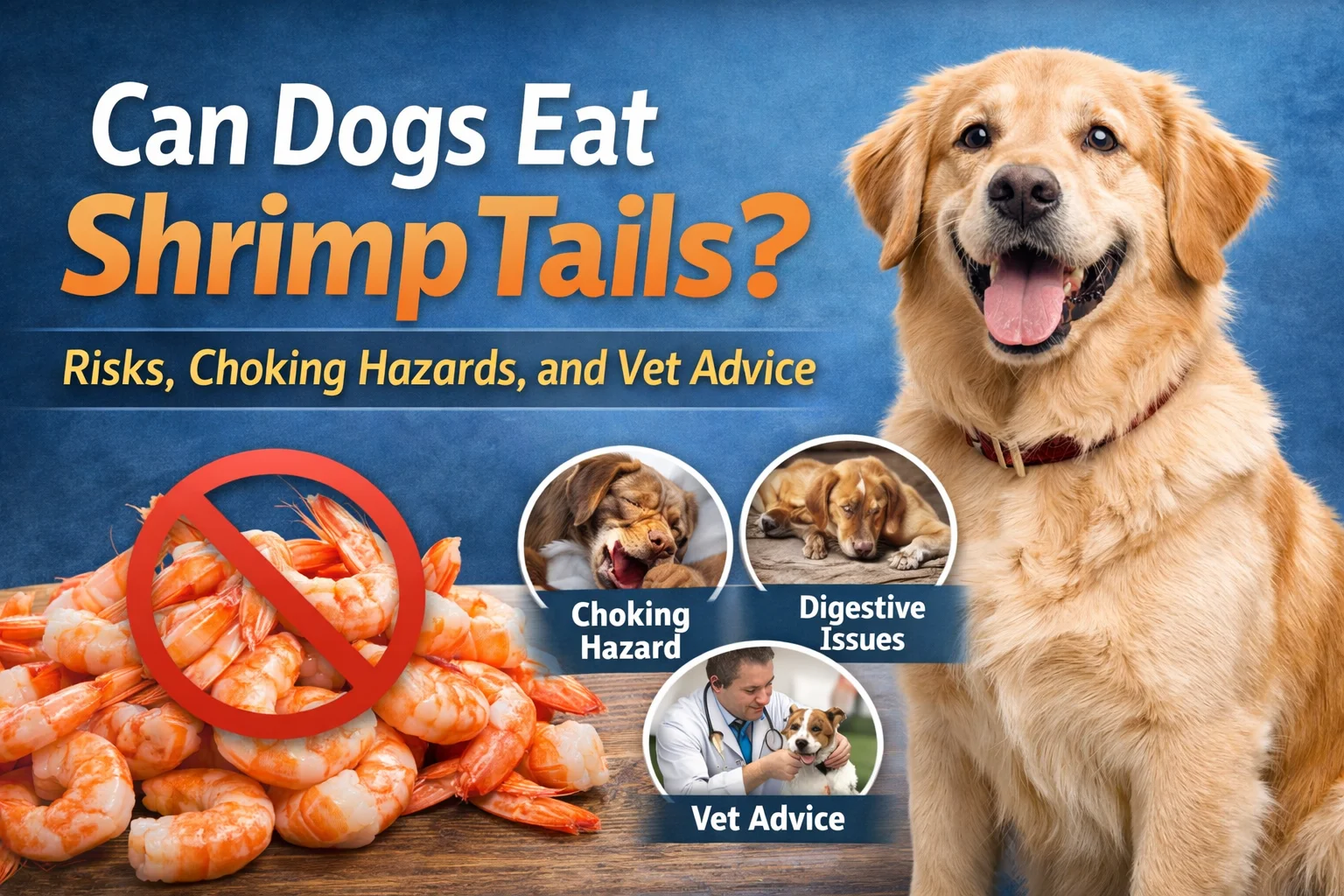
Many dog owners enjoy sharing food with their pets, especially when the food seems healthy or natural. Shrimp is often considered a nutritious seafood for humans, which leads to an important question among pet parents: Can Dogs Eat Shrimp Tails?
While shrimp meat itself can sometimes be offered to dogs in small amounts, shrimp tails raise serious safety concerns. The tail is not just a harmless leftover. It has a hard texture, sharp edges, and poor digestibility, all of which can create problems inside a dog’s body.
This detailed guide explains everything you need to know about shrimp tails, including safety risks, digestion issues, preparation mistakes, and expert-backed feeding advice.
Understanding Shrimp and Its Parts
Shrimp consists of two main edible sections for humans: the soft inner meat and the hard outer shell, including the tail. Dogs process food very differently from humans, so each part must be evaluated carefully.
Shrimp tails are made from a rigid shell-like material that does not break down easily in a dog’s digestive system. This is the main reason shrimp tails require special attention when considering dog safety.
Can Dogs Eat Shrimp Tails Safely
The direct and clear answer is no. Dogs should not eat shrimp tails.
Shrimp tails present physical risks rather than nutritional concerns. Unlike shrimp meat, the tail provides no essential nutrients that dogs need. What it does provide is a choking hazard and a potential cause of internal injury.
Dogs tend to swallow food quickly, often without chewing thoroughly. This behavior increases the danger when hard foods like shrimp tails are involved.
Why Shrimp Tails Are Dangerous for Dogs
Choking Risk
Shrimp tails are small, stiff, and slippery. These characteristics make them easy to inhale accidentally, especially for small and medium-sized dogs. A lodged shrimp tail can block airflow and become life-threatening within minutes.
Digestive Tract Irritation
If a shrimp tail is swallowed, it may scrape or irritate the throat, stomach, or intestines. The sharp edges can cause inflammation or small internal injuries that lead to discomfort, vomiting, or bleeding.
Intestinal Blockage
Shrimp tails are not easily digested. In some cases, they may become stuck in the intestines, leading to a blockage. Intestinal blockages often require immediate veterinary treatment and sometimes surgery.
Can Cooked Shrimp Tails Be Safer Than Raw Ones
Cooking shrimp does not make the tail safe. Whether boiled, steamed, or grilled, the tail remains hard and indigestible.
Heat may soften shrimp meat, but it does not significantly change the structure of the tail shell. Therefore, cooked shrimp tails pose the same risks as raw ones.
Nutritional Value of Shrimp Meat Versus Shrimp Tails
Shrimp meat contains protein, vitamins, and minerals that can support a dog’s overall health when fed in moderation. Shrimp tails, however, offer no nutritional benefit.
The tail contains no digestible protein, no beneficial fats, and no vitamins that contribute to canine health. Feeding shrimp tails only increases risk without providing any reward.
Can Dogs Eat Shrimp Meat Without the Tail
Yes, dogs can eat shrimp meat in limited quantities if it is prepared properly. This distinction is important.
Shrimp meat must be fully cooked, unseasoned, and served plain. All shells, tails, and veins should be completely removed before feeding.
Shrimp should never replace a dog’s regular diet. It should be treated as an occasional snack.
Proper Way to Prepare Shrimp for Dogs
To reduce risk and improve digestibility, shrimp must be prepared carefully.
Shrimp should be cooked by boiling or steaming only. Frying, grilling with spices, or adding oil makes shrimp unsafe for dogs.
After cooking, the shell and tail must be removed completely. The shrimp should then be chopped into small pieces to prevent choking.
Allow shrimp to cool fully before offering it to your dog.
Portion Control When Feeding Shrimp to Dogs
Shrimp should be fed in very small amounts.
Small dogs should receive no more than one small piece at a time. Medium dogs may have two to three pieces. Large dogs may tolerate a few more, but shrimp should still be limited.
Overfeeding shrimp can cause digestive upset, including loose stools or vomiting. Shrimp should not be given daily.
Can Puppies Eat Shrimp or Shrimp Tails
Puppies have sensitive digestive systems and are still developing proper chewing habits. For this reason, shrimp tails should never be given to puppies.
Even shrimp meat is not ideal for young puppies unless approved by a veterinarian. Puppies need balanced nutrition from puppy-specific food, not human seafood.
What to Do If a Dog Eats Shrimp Tails Accidentally
If a dog accidentally eats a shrimp tail, observation is critical.
Watch for signs such as gagging, excessive drooling, vomiting, loss of appetite, abdominal pain, or unusual behavior. These symptoms may appear immediately or several hours later.
If your dog shows distress or discomfort, contact a veterinarian as soon as possible. Do not attempt to induce vomiting without professional guidance.
Signs of Digestive Problems After Eating Shrimp Tails
Some dogs may pass a shrimp tail without visible issues, but others may develop complications.
Common warning signs include vomiting, diarrhea, constipation, lethargy, whining, or reluctance to eat. Any persistent symptoms require veterinary attention.
Ignoring these signs can allow a minor issue to turn into a serious medical condition.
Allergic Reactions to Shrimp in Dogs
Shellfish allergies are less common in dogs than in humans, but they can still occur. Shrimp tails may increase exposure to allergenic proteins.
Symptoms of an allergic reaction include itching, skin redness, swelling of the face or ears, ear infections, or digestive upset.
If you notice allergy symptoms after feeding shrimp, discontinue feeding immediately and consult a veterinarian.
Dogs That Should Never Eat Shrimp or Shrimp Tails
Some dogs are at higher risk when eating shrimp.
Dogs with digestive disorders, pancreatitis, food allergies, or a history of intestinal blockage should avoid shrimp entirely. Senior dogs and toy breeds may also face higher choking risks.
In these cases, shrimp provides little benefit compared to the potential harm.
Are There Any Safe Alternatives to Shrimp for Dogs
There are safer protein options for dogs that do not involve shells or sharp textures.
Cooked fish such as salmon or whitefish without bones can be safer alternatives. Lean meats like chicken or turkey are also easier to digest and more nutritionally balanced.
Commercial dog treats formulated for canine digestion are often the safest option.
Common Misconceptions About Dogs and Shrimp Tails
Many owners believe that dogs can safely eat shrimp tails if they chew them well. This belief is incorrect.
Dogs do not chew food the way humans do. They often swallow food in large pieces, increasing the risk of injury.
Another misconception is that shrimp tails provide calcium or fiber. In reality, dogs cannot properly digest shrimp shells to absorb these nutrients.
Veterinary Perspective on Shrimp Tails
Most veterinarians advise against feeding shrimp tails to dogs. The risks outweigh any perceived benefit.
Veterinary professionals recommend removing all shells and tails before offering shrimp meat. They also emphasize moderation and careful monitoring.
When in doubt, veterinarians suggest avoiding shrimp entirely and choosing safer protein sources.
Final Answer to Can Dogs Eat Shrimp Tails
To conclude clearly and responsibly, dogs should not eat shrimp tails.
Shrimp tails can cause choking, digestive injury, and intestinal blockage. They offer no nutritional value and introduce unnecessary risk.
If you choose to feed shrimp to your dog, only offer plain, fully cooked shrimp meat with all shells and tails removed. Feed it occasionally and in small portions.
When unsure, always consult a veterinarian before introducing new foods into your dog’s diet.
What do you think?
Related Articles

What Vegetables Can Dogs Eat? Safe and Unsafe Vegetables
Many vegetables are safe and healthy for dogs, but some can be dangerous. Learn what vegetables dogs can eat, what they can eat daily, and
Can Dogs Eat Anchovies? Benefits, Risks, and Safe Guide
Can dogs eat anchovies safely? Discover the benefits, risks, and proper way to feed anchovies to dogs. Learn how these small fish can support your

Can Dogs Eat White Chocolate? A Complete Safety Guide
Can dogs eat white chocolate or is it dangerous? Discover the risks, symptoms of chocolate poisoning, and what to do if your dog eats white