Can Dogs Eat Garlic Powder? A Complete Guide for Dog Owners
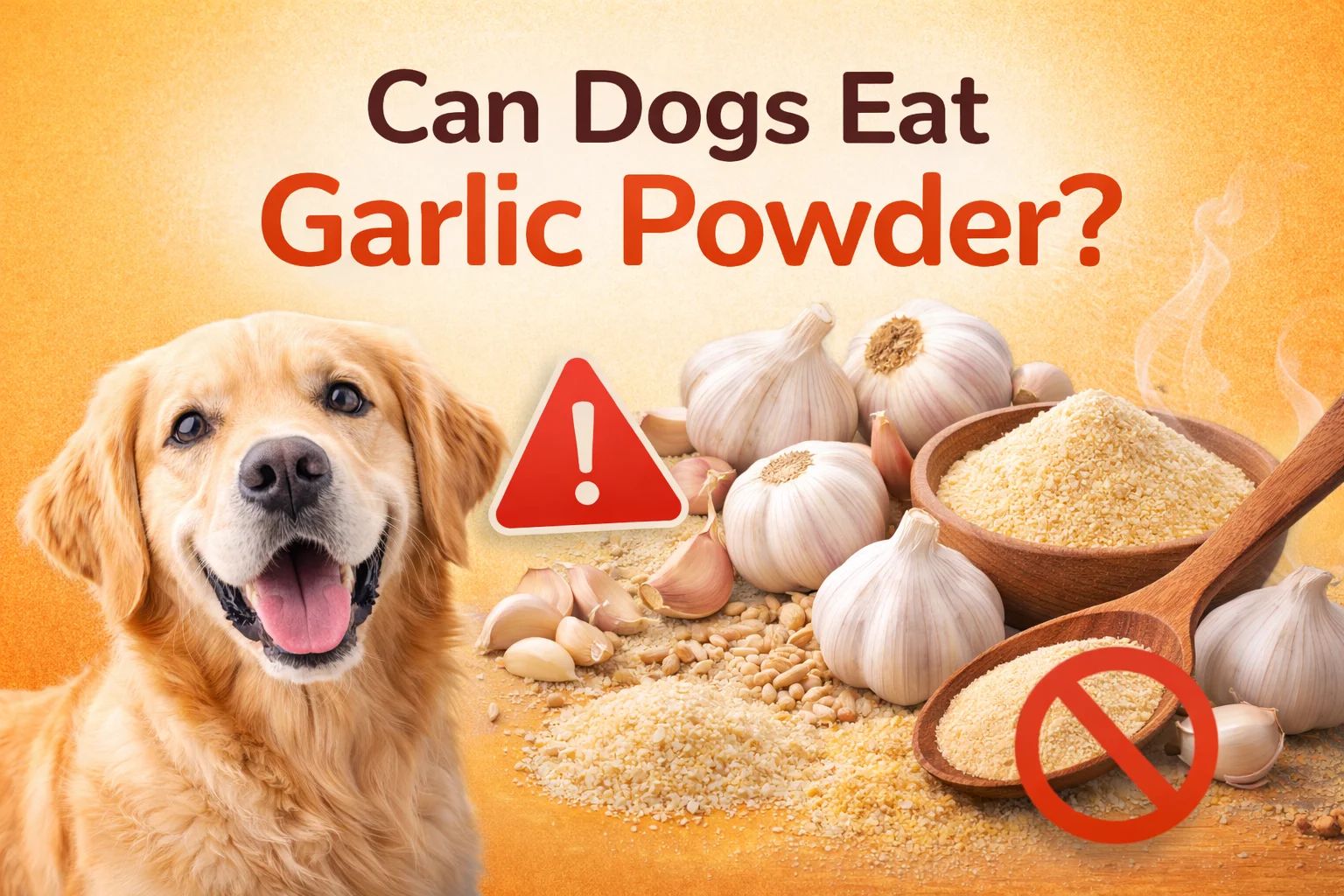
Dog owners often share their homes, routines, and sometimes meals with their pets. When cooking at home, ingredients like garlic powder are used almost daily. This raises an important and serious question: can dogs eat garlic powder, or is it harmful to their health?
Although garlic is commonly praised for its benefits in human diets, dogs react very differently to it. What seems like a harmless seasoning can pose real health risks when consumed by dogs. This detailed guide explains everything dog owners need to know about garlic powder, garlic-based foods, potential dangers, symptoms of toxicity, and safer alternatives.
Understanding Garlic Powder and Garlic-Based Foods
Garlic powder is a concentrated form of garlic created by dehydrating and finely grinding garlic cloves. Because the moisture is removed, the compounds inside garlic become more potent per gram than fresh garlic.
Garlic-based foods may include:
- Garlic powder
- Garlic salt
- Cooked garlic
- Raw garlic
- Seasonings containing garlic extracts
These forms are commonly found in home-cooked meals, packaged foods, sauces, and snacks.
Can Dogs Eat Garlic Powder? The Direct Answer
The clear answer is no. Dogs should not eat garlic powder. Garlic powder is considered toxic to dogs and should be avoided completely.
While small accidental exposure may not always cause immediate symptoms, repeated or larger consumption increases the risk of poisoning. The question dogs can eat garlic powder is important because many dog owners are unaware of how dangerous this ingredient can be.
Why Garlic Powder Is Dangerous for Dogs
Garlic powder contains compounds known as thiosulfates. Dogs cannot properly process these compounds, which can damage red blood cells.
Damage to Red Blood Cells
When dogs consume garlic powder, thiosulfates can cause red blood cells to rupture. This condition is known as hemolytic anemia.
As a result:
- Oxygen transport in the body is reduced
- Organs may not receive enough oxygen
- Weakness and fatigue can develop
Because garlic powder is concentrated, even small amounts may cause harm over time.
Higher Risk Than Fresh Garlic
Garlic powder is more dangerous than fresh garlic due to its concentrated nature. One teaspoon of garlic powder contains significantly more garlic compounds than a single fresh clove.
This makes powdered forms especially risky when dogs consume seasoned food.
Can Dogs Eat Garlic in Any Form?
Garlic in any form is unsafe for dogs. This includes raw garlic, cooked garlic, garlic powder, and foods flavored with garlic.
Cooking does not neutralize the toxic compounds. In fact, garlic mixed into foods may be consumed more easily, increasing the total intake without the owner realizing it.
Can Small Amounts of Garlic Powder Be Safe?
Some people believe that very small amounts of garlic are harmless. However, this belief is risky.
Even though symptoms may not appear immediately, garlic toxicity can be cumulative. This means repeated exposure over time can cause damage even if each amount seems small.
Therefore, garlic powder should never be intentionally added to a dog’s food.
Symptoms of Garlic Powder Toxicity in Dogs
Symptoms may appear within a few hours or may be delayed for several days, depending on the amount consumed.
Common Symptoms Include
- Lethargy
- Weakness
- Pale gums
- Reduced appetite
- Vomiting
- Diarrhea
More Serious Signs
- Rapid breathing
- Increased heart rate
- Collapse
- Dark-colored urine
If any of these signs appear after a dog consumes garlic powder or garlic food, veterinary care should be sought immediately.
Can Puppies Eat Garlic Powder?
Puppies are even more vulnerable than adult dogs. Their smaller size and developing organs make them more sensitive to toxic substances.
Puppies should never be exposed to garlic powder or garlic-based foods. Even trace amounts may cause digestive upset or more serious complications.
What Happens If a Dog Eats Garlic Powder Accidentally?
Accidental exposure can happen when dogs eat seasoned leftovers, snacks, or dropped food.
If a dog eats garlic powder accidentally:
- Monitor closely for symptoms
- Prevent further access to garlic-containing foods
- Contact a veterinarian if the amount was significant or if symptoms appear
Early intervention improves outcomes significantly.
How Much Garlic Powder Is Toxic to Dogs?
There is no universally safe amount of garlic powder for dogs. Toxicity depends on:
- The dog’s size
- The dog’s health condition
- Frequency of exposure
- Concentration of garlic
Because garlic powder is highly concentrated, even small quantities can be problematic.
Why Garlic Is Safe for Humans but Not for Dogs
Humans and dogs process food very differently. Humans have digestive systems capable of breaking down compounds that dogs cannot tolerate.
Dogs lack the necessary enzymes to safely process thiosulfates. This difference explains why garlic may benefit humans but harm dogs.
Common Foods That Contain Garlic Powder
Many everyday foods contain garlic powder without being obvious.
These include:
- Seasoned meats
- Sauces and gravies
- Snack foods
- Processed human meals
- Restaurant leftovers
Dog owners should always check ingredients before sharing food.
Myths About Garlic and Dogs
“Garlic Boosts Immunity in Dogs”
There is no scientific evidence supporting this claim. The risks outweigh any perceived benefits.
“Natural Ingredients Are Always Safe”
Natural does not always mean safe. Garlic is a clear example of a natural food that is harmful to dogs.
Long-Term Effects of Garlic Powder Exposure
Repeated exposure may lead to:
- Chronic anemia
- Reduced stamina
- Weak immune response
- Ongoing digestive issues
These problems may develop slowly, making them harder to identify early.
Safer Alternatives to Garlic for Dogs
If you want to enhance your dog’s meals safely, there are better options.
Dog-Safe Flavor Enhancers
- Plain cooked pumpkin
- Unsalted bone broth made specifically for dogs
- Plain yogurt (in moderation)
- Cooked carrots or sweet potatoes
These options add flavor and nutrition without risking toxicity.
How to Protect Your Dog From Garlic Powder
Prevention is the best approach.
- Avoid sharing seasoned human food
- Store spices securely
- Educate family members about unsafe foods
- Read labels carefully
Simple precautions can prevent serious health issues.
When to Contact a Veterinarian
Veterinary advice should be sought if:
- Garlic powder was consumed in noticeable amounts
- Symptoms appear
- The dog has underlying health issues
Prompt action can prevent complications.
Final Thoughts: Can Dogs Eat Garlic Powder?
To summarize, can dogs eat garlic powder? The answer is no. Garlic powder, along with garlic in any form, is unsafe for dogs. Its toxic compounds can damage red blood cells, leading to serious health concerns.
Dogs thrive best on food specifically designed for their nutritional needs. Avoiding garlic powder entirely is the safest and most responsible choice for every dog owner.
By staying informed and cautious, you can protect your dog’s health and ensure a long, happy life.
What do you think?
Related Articles

What Vegetables Can Dogs Eat? Safe and Unsafe Vegetables
Many vegetables are safe and healthy for dogs, but some can be dangerous. Learn what vegetables dogs can eat, what they can eat daily, and
Can Dogs Eat Anchovies? Benefits, Risks, and Safe Guide
Can dogs eat anchovies safely? Discover the benefits, risks, and proper way to feed anchovies to dogs. Learn how these small fish can support your

Can Dogs Eat White Chocolate? A Complete Safety Guide
Can dogs eat white chocolate or is it dangerous? Discover the risks, symptoms of chocolate poisoning, and what to do if your dog eats white