Can Dogs Eat Leftover Rice and Chicken?
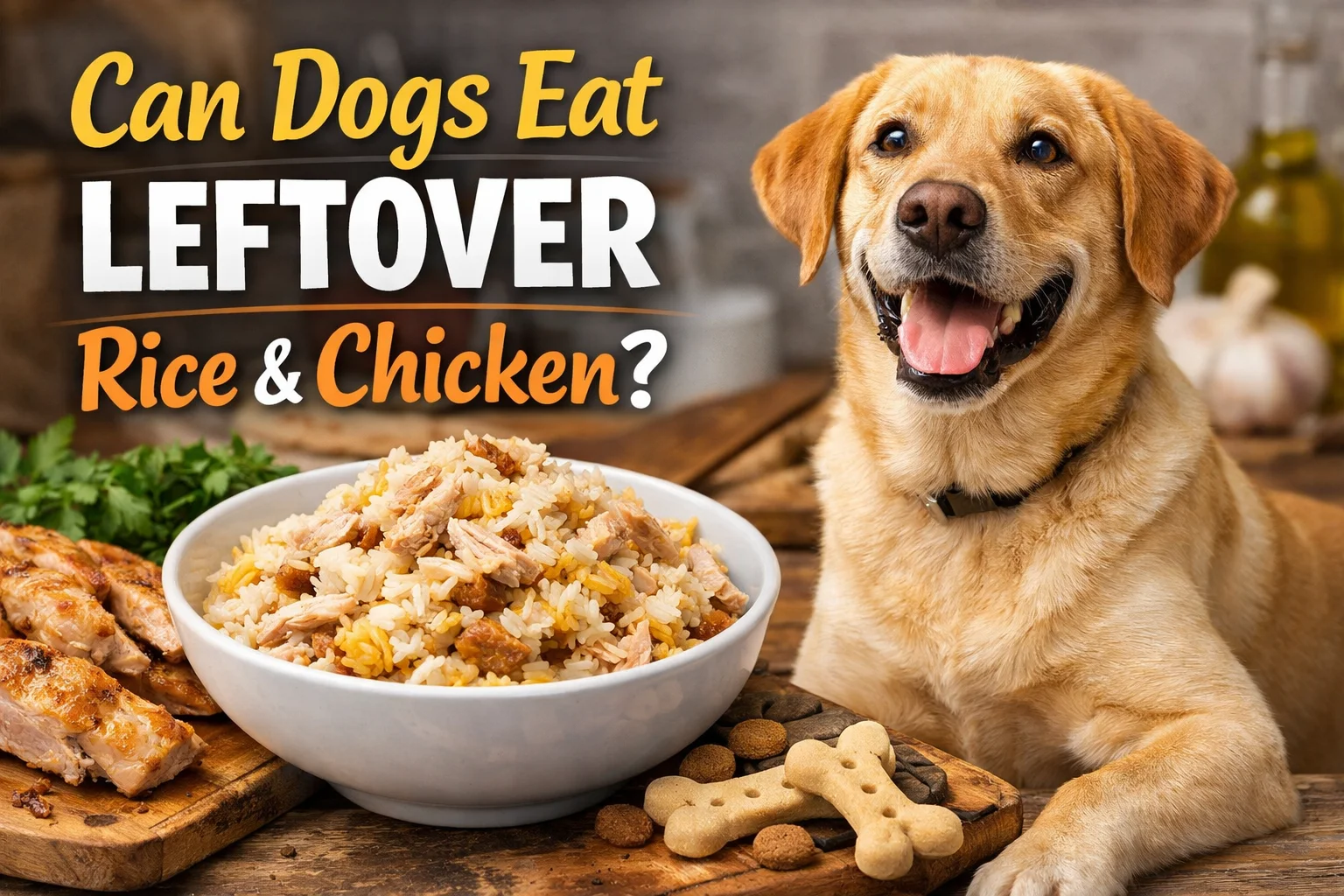
Sharing your meals with your dog can be tempting, especially when they give you those hopeful eyes from the kitchen floor. Among the foods that dog owners commonly wonder about is leftover rice and chicken. This dish is popular in many households, and its mild taste may seem harmless to your furry friend. However, dogs have different digestive systems and nutritional requirements from humans. This raises the question: can dogs eat leftover rice and chicken safely?
In this article, we’ll explore the benefits, potential risks, proper preparation, and safe ways to feed leftover rice and chicken to dogs. You will also learn about portion control, suitable alternatives, and when to consult a veterinarian.
Understanding Rice and Chicken for Dogs
Rice and chicken are a simple combination often used as a bland diet for dogs experiencing digestive upset. White rice provides easily digestible carbohydrates, while chicken delivers a lean source of protein. Together, they are gentle on the stomach and can help firm up loose stools.
Leftover rice and chicken may contain seasonings, oils, or sauces meant for human consumption. While some of these may seem harmless, certain ingredients like garlic, onion, or high salt content can be dangerous for dogs. Therefore, understanding what your leftovers contain is critical before feeding them to your dog.
Can Dogs Eat Leftover Rice and Chicken? The Short Answer
The short answer is yes, dogs can eat leftover rice and chicken, but only if it is plain, unseasoned, and free from harmful additives. Properly prepared rice and chicken can serve as a temporary meal or an occasional treat. However, it is not a complete diet and should never replace a dog’s regular, nutritionally balanced food.
Health Benefits of Rice and Chicken for Dogs
1. Easy to Digest
Rice and chicken are both easily digestible, making them ideal for dogs with sensitive stomachs or recovering from illness. They are gentle on the intestines and can help reduce nausea or diarrhea.
2. Provides Energy and Protein
Rice is a carbohydrate source that gives dogs quick energy, while chicken provides high-quality protein to support muscle maintenance and repair.
3. Supports Recovery
For dogs recovering from gastrointestinal issues, bland diets like rice and chicken can encourage them to eat without irritating the stomach.
Potential Risks of Feeding Leftover Rice and Chicken
While plain rice and chicken can be safe, leftovers prepared for humans may contain ingredients harmful to dogs:
- Seasonings and spices: Garlic, onion, salt, and other spices can cause toxicity or digestive upset.
- Oils and butter: High-fat content may lead to vomiting, diarrhea, or pancreatitis in sensitive dogs.
- Sauces or gravies: Many sauces contain ingredients unsafe for dogs, including onion, garlic, or excessive sodium.
Feeding dogs unsafe leftovers can result in mild digestive upset or serious health complications.
How to Prepare Leftover Rice and Chicken Safely for Dogs
To safely feed your dog leftover rice and chicken, follow these preparation guidelines:
1. Use Plain Ingredients
Ensure the rice and chicken have no added salt, sauces, or spices. Plain cooked chicken and rice are safe in moderation.
2. Remove Bones and Skin
Chicken bones are a choking hazard and can splinter, causing internal injuries. Remove the skin, which contains extra fat that can upset your dog’s stomach.
3. Cook Thoroughly
Even if leftovers are already cooked, ensure the chicken is fully cooked to avoid bacteria and foodborne illnesses.
4. Serve at Room Temperature
Avoid feeding hot or cold food. Room temperature is safest and easiest for your dog to digest.
How Much Leftover Rice and Chicken Can Dogs Eat?
Portion control is essential when feeding rice and chicken:
- Small dogs: 1–2 tablespoons as an occasional treat
- Medium dogs: 1/4 cup occasionally
- Large dogs: 1/2 cup, depending on size and activity level
It should not exceed 10% of daily caloric intake, as excessive rice can lead to weight gain and nutritional imbalance.
Can Puppies Eat Leftover Rice and Chicken?
Puppies have higher nutritional demands than adult dogs. While small amounts of plain rice and chicken are generally safe, they should never replace puppy food, which provides essential nutrients for growth and development. Feeding puppies a diet of leftovers could lead to deficiencies in vitamins, minerals, and fats necessary for healthy development.
Signs Your Dog May Have Eaten Unsafe Leftovers
Even if you provide plain leftovers, monitor your dog for signs of digestive upset, including:
- Vomiting
- Diarrhea
- Loss of appetite
- Lethargy
- Abdominal discomfort
If any of these symptoms occur, discontinue feeding leftovers and consult a veterinarian.
When Leftover Rice and Chicken Are Beneficial
1. Digestive Upset
Plain rice and chicken are often recommended for dogs with mild diarrhea or vomiting because they are gentle on the stomach.
2. Post-Illness Recovery
Dogs recovering from illness may find regular dog food difficult to digest. Rice and chicken can provide nutrition without overwhelming the digestive system.
3. Occasional Treat
Small portions of leftover rice and chicken can be offered occasionally as a treat for healthy adult dogs.
Risks of Feeding Leftover Rice and Chicken Regularly
Regular feeding of rice and chicken has potential drawbacks:
- Nutritional imbalance: Lacks essential vitamins, minerals, and fats needed for overall health.
- Weight gain: Rice is high in carbohydrates, and overfeeding can cause obesity.
- Preference for human food: Dogs may refuse balanced dog food if they get used to leftovers.
Therefore, rice and chicken should only be used temporarily or as an occasional treat.
Healthy Alternatives to Leftover Rice and Chicken
If you want to provide your dog a safe, nutritious alternative, consider:
- Plain cooked turkey or lean meats: Protein-rich and low in fat
- Vegetables like pumpkin or sweet potatoes: High in fiber, easy to digest
- Commercial limited-ingredient diets: Specifically designed for sensitive stomachs
- Oatmeal: Gentle carbohydrate source for energy
These options can provide variety and nutrients while being safe for dogs.
When to Consult a Veterinarian
Contact a veterinarian if your dog:
- Eats leftovers containing harmful ingredients (onion, garlic, sauces)
- Shows persistent symptoms like vomiting, diarrhea, or lethargy
- Has food allergies or chronic digestive issues
- Requires guidance for a homemade diet plan
Professional guidance ensures your dog receives a balanced, safe diet.
Final Thoughts: Can Dogs Eat Leftover Rice and Chicken?
So, can dogs eat leftover rice and chicken? The answer is yes, but only when it is plain, unseasoned, and cooked safely. This combination can serve as a temporary meal or occasional treat, particularly for dogs with digestive issues.
However, leftover rice and chicken should never replace a complete, balanced dog diet. Feeding too much or adding seasonings and sauces can lead to digestive upset, nutritional deficiencies, or long-term health problems. By exercising moderation and proper preparation, leftover rice and chicken can be a safe, comforting addition to your dog’s occasional meals.
What do you think?
Related Articles
What Vegetables Can Dogs Eat? Safe and Unsafe Vegetables
Many vegetables are safe and healthy for dogs, but some can be dangerous. Learn what vegetables dogs can eat, what they can eat daily, and
Can Dogs Eat Anchovies? Benefits, Risks, and Safe Guide
Can dogs eat anchovies safely? Discover the benefits, risks, and proper way to feed anchovies to dogs. Learn how these small fish can support your

Can Dogs Eat White Chocolate? A Complete Safety Guide
Can dogs eat white chocolate or is it dangerous? Discover the risks, symptoms of chocolate poisoning, and what to do if your dog eats white