Can Dogs Eat Wild Bones?
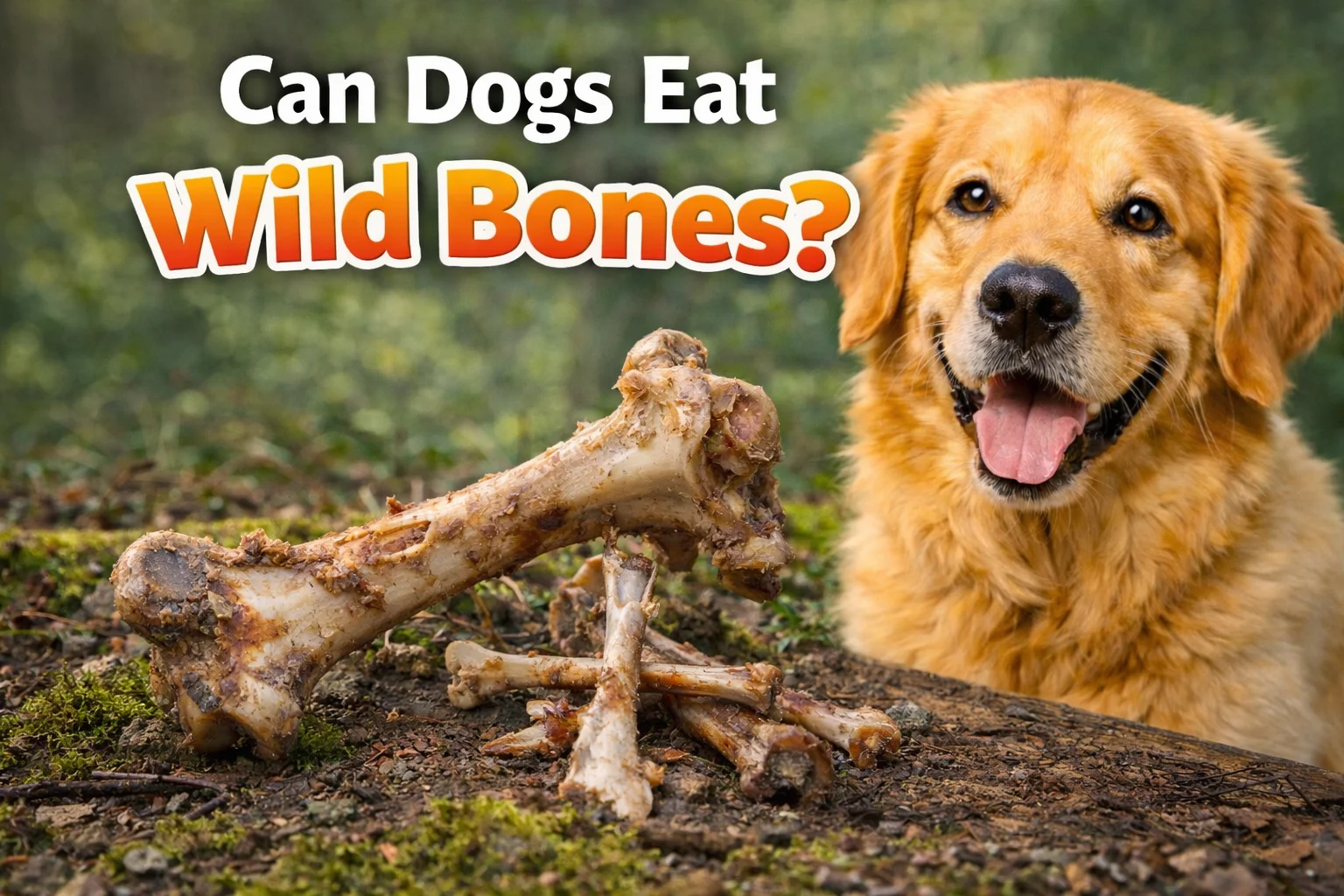
If you have ever watched your dog pick up a bone during a walk or while exploring outdoors, you may have paused and wondered, Can dogs eat wild bones? At first glance, it might seem natural. After all, dogs descended from wild animals that chewed bones for survival. However, modern dogs live very different lives, and their digestive systems face risks their ancestors never encountered.
Because wild bones appear natural and untouched, many pet owners assume they are safer than cooked bones or store-bought treats. Still, assumptions can put your dog at serious risk. Therefore, understanding the truth behind wild bones becomes essential for every responsible dog owner.
This detailed guide explains everything you need to know. From potential dangers to safer alternatives, you will gain clear, practical knowledge to protect your dog’s health while still meeting their chewing instincts.
Can Dogs Eat Wild Bones Safely?
The short and honest answer is no, dogs should not eat wild bones. While the idea may sound natural, wild bones come with hidden dangers that often outweigh any perceived benefits.
Wild bones usually come from animals such as deer, birds, rabbits, or livestock remains. These bones often sit outdoors for long periods, exposed to bacteria, parasites, weather damage, and environmental toxins. As a result, even a bone that looks clean may carry serious health risks.
Moreover, wild bones tend to be hard, brittle, or splintered. Because of this, they can cause choking, dental fractures, or internal injuries. Although dogs love to chew, safety must always come first.
Why Dogs Are Attracted to Wild Bones
Dogs rely heavily on scent. Wild bones smell rich in animal protein, marrow, and fat. Consequently, they trigger instinctive chewing behavior. Additionally, chewing helps dogs release stress, clean their teeth, and satisfy natural urges.
However, instinct does not always equal safety. Domestic dogs lack the survival adaptations that wild animals use to handle raw bones safely. Therefore, while attraction is natural, consumption is not recommended.
Hidden Dangers of Wild Bones for Dogs
Understanding the risks helps explain why veterinarians strongly discourage feeding wild bones.
1. Risk of Splintering
Wild bones dry out over time. As they age, they become brittle. When a dog bites down, sharp splinters can break off easily. These fragments may:
- Cut the mouth or gums
- Get lodged in the throat
- Pierce the stomach or intestines
Even a small splinter can lead to emergency surgery.
2. Choking and Blockage Hazards
Dogs often attempt to swallow bone pieces that are too large. When this happens, bones may become stuck in the throat or digestive tract. Blockages can stop digestion entirely and cause severe pain.
In many cases, surgical removal becomes the only solution.
3. Dental Damage
Wild bones are extremely hard. Unlike specially designed dog chews, they do not soften under pressure. As a result, dogs frequently crack or break teeth while chewing.
Dental fractures expose nerves and lead to infections, pain, and costly treatments.
4. Bacterial Contamination
Wild bones can carry harmful bacteria such as Salmonella or E. coli. Since these bones often remain outdoors for unknown periods, contamination increases significantly.
Dogs may develop vomiting, diarrhea, fever, or dehydration after exposure. Additionally, bacteria can spread to humans through saliva or contact.
5. Parasites and Diseases
Wild animal remains may host parasites that survive on bone surfaces. When dogs chew or ingest contaminated bones, parasites can enter their system.
Some infections take time to show symptoms, making diagnosis more difficult.
Can Dogs Eat Wild Bones Compared to Cooked Bones?
Many owners wonder whether wild bones differ from cooked bones. While both pose risks, wild bones often create greater danger.
Cooked bones become brittle due to heat, which increases splintering. Meanwhile, wild bones may appear stronger but often contain fractures or decay from environmental exposure.
In both cases, veterinarians advise against allowing dogs to chew or consume them.
Do Raw Bones Make Wild Bones Safe?
Some dog owners believe raw feeding practices make wild bones acceptable. However, raw does not mean safe.
Raw wild bones still pose choking hazards, dental risks, and contamination concerns. Unlike regulated raw bones from trusted sources, wild bones remain uninspected and unpredictable.
Therefore, raw feeding principles do not apply to wild bones found outdoors.
Symptoms to Watch If a Dog Eats a Wild Bone
If your dog manages to chew or swallow a wild bone, watch closely for warning signs. Early detection can save your dog’s life.
Common Symptoms Include:
- Excessive drooling
- Gagging or choking sounds
- Pawing at the mouth
- Vomiting or retching
- Blood in saliva or stool
- Loss of appetite
- Lethargy or discomfort
If any of these signs appear, seek veterinary help immediately.
What to Do If Your Dog Eats a Wild Bone
Quick action matters. Follow these steps calmly and carefully:
- Do not induce vomiting unless instructed by a veterinarian
- Remove remaining bone pieces from reach
- Monitor your dog closely for 48 hours
- Offer soft food and water
- Contact a veterinarian immediately if symptoms appear
Never attempt to remove a lodged bone yourself.
Can Puppies Eat Wild Bones?
Puppies face even higher risks. Their teeth, jaws, and digestive systems remain delicate. Wild bones can permanently damage developing teeth or cause life-threatening blockages.
Because puppies chew aggressively, the risk increases further. For this reason, puppies should never have access to wild bones under any circumstances.
Are There Any Benefits to Wild Bones for Dogs?
Some believe wild bones clean teeth or provide minerals. While chewing can reduce plaque, the risks far outweigh any dental benefit.
Moreover, dogs receive all necessary nutrients from balanced diets. Bones do not provide essential minerals safely or reliably.
Safer Alternatives to Wild Bones
Thankfully, safer options exist that still satisfy your dog’s chewing needs.
Recommended Alternatives:
- Vet-approved dental chews
- Rubber chew toys
- Nylon bones designed for dogs
- Frozen carrots or apples (seedless)
- Supervised raw bones from trusted sources
These options reduce risk while supporting dental health and mental stimulation.
How to Prevent Dogs From Picking Up Wild Bones
Prevention starts with awareness and training.
Practical Tips:
- Use a leash during outdoor walks
- Teach a strong “leave it” command
- Supervise backyard play
- Remove animal remains from your yard
- Offer engaging chew alternatives at home
Consistency helps dogs learn safe behaviors quickly.
Can Dogs Eat Wild Bones While Hiking or Camping?
Outdoor adventures increase exposure. Dogs may find bones along trails or campsites. Because supervision becomes harder, risks increase.
Keep dogs leashed and provide portable chew toys. Avoid letting dogs roam freely where wildlife remains may exist.
Final Verdict: Can Dogs Eat Wild Bones?
To conclude clearly and responsibly, dogs should not eat wild bones. Although instincts may draw them toward bones, the dangers include choking, internal injury, infection, and dental damage.
By choosing safer alternatives and staying vigilant outdoors, you protect your dog’s health while still meeting their natural chewing needs. Ultimately, prevention remains the best form of care.
What do you think?
Related Articles

What Vegetables Can Dogs Eat? Safe and Unsafe Vegetables
Many vegetables are safe and healthy for dogs, but some can be dangerous. Learn what vegetables dogs can eat, what they can eat daily, and
Can Dogs Eat Anchovies? Benefits, Risks, and Safe Guide
Can dogs eat anchovies safely? Discover the benefits, risks, and proper way to feed anchovies to dogs. Learn how these small fish can support your
Can Dogs Eat White Chocolate? A Complete Safety Guide
Can dogs eat white chocolate or is it dangerous? Discover the risks, symptoms of chocolate poisoning, and what to do if your dog eats white