Can Dogs Eat Probiotics?
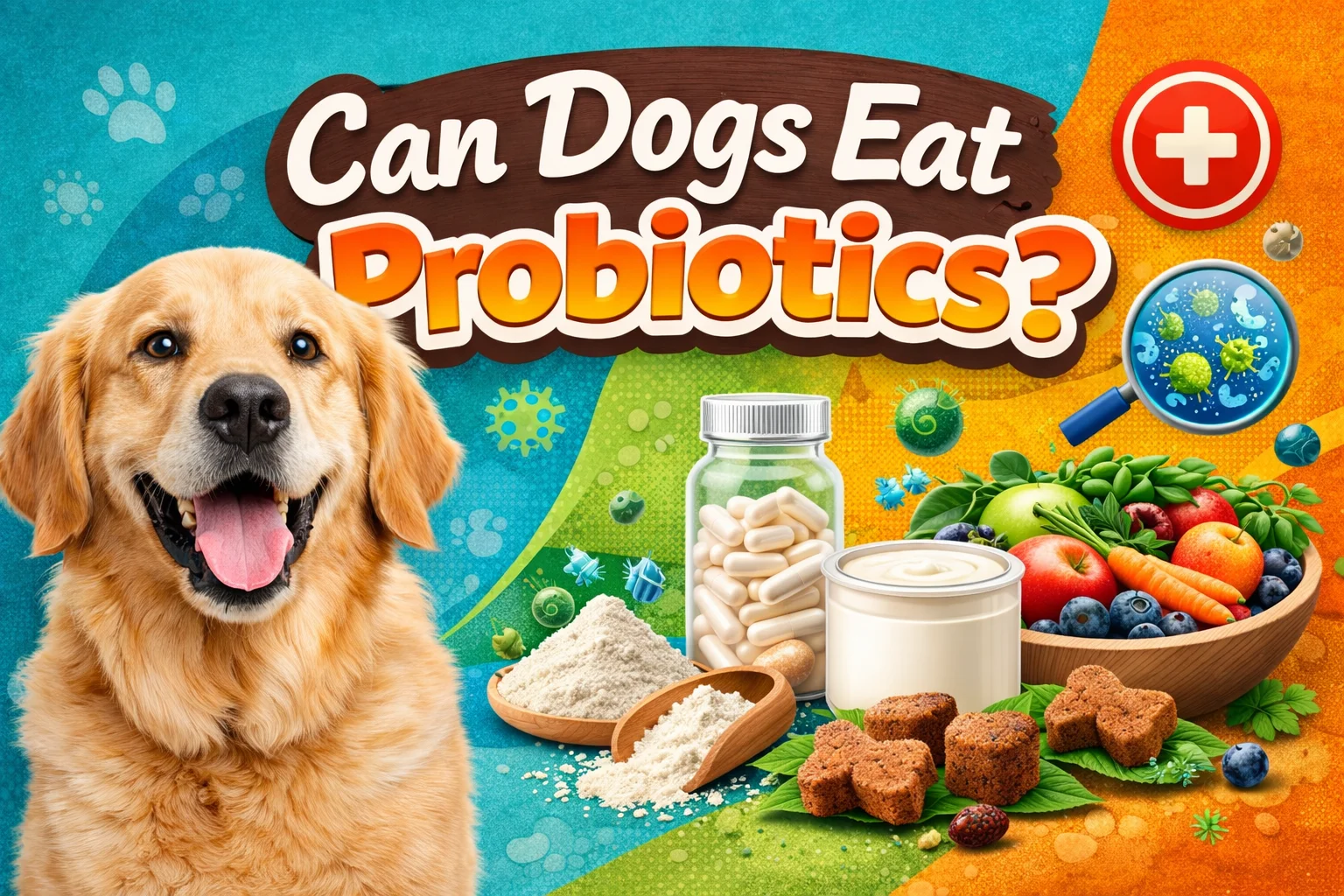
Dog owners today are more aware than ever about their pet’s health. From choosing the right food to understanding supplements, people want to make informed decisions. One question that often arises is: Can dogs eat probiotics, and are they actually beneficial?
Probiotics are widely discussed in human health, but dogs have different digestive needs. Therefore, understanding how probiotics work for dogs, when they are helpful, and how to use them safely is essential before adding them to your dog’s routine.
This guide explains everything in a clear, practical, and dog-focused way so you can decide what is best for your pet.
Understanding Probiotics in Simple Terms
Probiotics are living microorganisms that support a healthy digestive system. These beneficial bacteria naturally exist inside your dog’s gut and help maintain balance in digestion. When this balance remains stable, your dog can process food properly, absorb nutrients efficiently, and maintain normal bowel movements.
However, certain factors can disturb this balance. Stress, illness, antibiotics, sudden diet changes, and poor nutrition may reduce beneficial bacteria while allowing harmful bacteria to grow. When this happens, digestive issues often appear. Probiotics are designed to help restore balance by replenishing healthy bacteria in the gut.
Can Dogs Eat Probiotics Safely?
Yes, dogs can safely consume probiotics when administered correctly and in appropriate amounts. Probiotics formulated for dogs are generally safe for most healthy dogs. They are specifically designed to support the canine digestive system, which differs from that of humans.
However, safety depends on several factors. The quality of the probiotic, the dosage, and your dog’s individual health condition all play important roles. While many dogs tolerate probiotics very well, some may experience mild digestive changes during the initial adjustment period.
Why Probiotics Can Be Beneficial for Dogs
A dog’s digestive system does more than break down food. It also plays a key role in immunity, metabolism, and overall health. Probiotics support this system in several important ways.
Digestive Balance and Stool Quality
One of the most common reasons dog owners use probiotics is to support digestion. Probiotics may help regulate bowel movements and improve stool consistency. Dogs that experience occasional diarrhea, soft stools, or digestive sensitivity often benefit from balanced gut bacteria.
Additionally, probiotics may help dogs adjust to new foods more easily. When diet changes occur, probiotics can support smoother digestion and reduce discomfort.
Immune System Support
A large portion of a dog’s immune system is connected to the gut. When gut bacteria remain balanced, the immune system can function more efficiently. Probiotics may help strengthen natural defenses, allowing your dog to better handle everyday environmental challenges.
This can be especially helpful for dogs that frequently experience stress or seasonal health changes.
Skin and Allergy Support
Although probiotics are not a cure for allergies, gut health plays a role in how the body responds to allergens. Some dogs show improvements in skin irritation, itching, or mild sensitivities when their digestive system is balanced. This happens because gut bacteria influence inflammation and immune responses throughout the body.
Support During Stressful Situations
Dogs often experience digestive upset during stressful events such as travel, boarding, loud environments, or routine changes. Probiotics may help stabilize digestion during these periods by supporting healthy gut activity.
Different Types of Probiotics for Dogs
Probiotics for dogs come in various forms. Each option offers its own benefits depending on your dog’s preferences and needs.
Powdered Probiotics
Powders mix easily into food and allow precise portion control. They are ideal for picky eaters or dogs that resist pills. Since powders blend seamlessly with meals, dogs often accept them without hesitation.
Soft Chews
Probiotic chews combine beneficial bacteria with flavors dogs enjoy. They are convenient and simple to administer, especially for dogs that enjoy treats. Chews are often used as daily supplements due to their ease of use.
Capsules or Tablets
Capsules provide controlled dosing and are helpful for dogs that tolerate supplements well. They can be given directly or hidden inside food if necessary.
Probiotic-Enhanced Dog Food
Some dog foods contain added probiotics. While these foods may support digestive health, the probiotic levels are usually lower compared to dedicated supplements. As a result, they may not be sufficient for dogs needing targeted digestive support.
Can Dogs Eat Human Probiotics?
Some dog owners wonder whether human probiotics are safe for dogs. While dogs can consume certain human probiotics, they are not always ideal. Human products may contain strains that are less effective for dogs or additives that are unsuitable for pets.
Additionally, dosage levels designed for humans may not align with a dog’s needs. For this reason, dog-specific probiotics are generally the safer and more effective choice.
When Should Dogs Take Probiotics?
Probiotics are not only for dogs with digestive problems. They can be helpful in several situations.
After Antibiotic Treatment
Antibiotics often eliminate both harmful and beneficial bacteria. Probiotics may help restore healthy gut bacteria after antibiotic use, reducing digestive discomfort.
During Digestive Upset
Dogs experiencing mild diarrhea, gas, or irregular stools may benefit from probiotic support. These supplements may help normalize digestion more quickly.
During Diet Changes
Switching dog food can temporarily upset digestion. Probiotics may ease this transition and reduce digestive stress.
As Preventive Support
Some dog owners use probiotics as part of a regular wellness routine. When used appropriately, probiotics may help maintain long-term digestive balance.
How Much Probiotic Should a Dog Have?
There is no universal dosage for all dogs. Factors such as size, age, health condition, and product formulation influence the correct amount. Small dogs require lower doses, while larger dogs may need more.
Always follow product guidelines and consult a veterinarian if you are unsure. Starting with a lower amount and gradually increasing allows your dog’s digestive system to adjust comfortably.
Possible Side Effects of Probiotics in Dogs
Most dogs tolerate probiotics well. However, mild side effects may occur during the first few days, including:
- Temporary gas
- Mild bloating
- Slight changes in stool consistency
These symptoms usually resolve as the gut adjusts. If symptoms persist or worsen, discontinue use and consult a veterinarian.
Dogs with weakened immune systems or underlying medical conditions should only take probiotics under professional guidance.
Natural Food Sources vs. Supplements
Some dog owners prefer natural options over supplements. While certain foods contain beneficial bacteria, they may not deliver consistent or adequate probiotic levels for dogs.
Probiotic supplements provide controlled strains and reliable amounts, making them more effective for targeted digestive support. Natural foods may complement a balanced diet but should not replace dog-specific probiotics when digestive support is needed.
Common Myths About Probiotics for Dogs
Myth: All Dogs Need Probiotics Daily
Not every dog requires daily supplementation. Healthy dogs with balanced diets may not need probiotics unless specific issues arise.
Myth: Probiotics Work Instantly
Probiotics take time. Improvements often appear gradually as gut bacteria rebalance.
Myth: More Is Always Better
Excessive probiotics can disrupt gut balance. Proper dosing matters.
Choosing the Right Probiotic for Your Dog
When selecting a probiotic, look for products designed specifically for dogs. Quality products clearly list bacterial strains, storage instructions, and dosage guidance. Avoid supplements with unnecessary fillers, artificial sweeteners, or excessive additives.
Consulting a veterinarian ensures the product suits your dog’s individual needs.
Final Thoughts: Can Dogs Eat Probiotics?
So, can dogs eat probiotics? Yes — when used responsibly, probiotics can support digestive health, immune balance, and overall wellness in dogs. They are not magic cures, but they can be valuable tools when used correctly.
Every dog is unique. While probiotics benefit many dogs, others may not need them regularly. Paying attention to your dog’s behavior, digestion, and health responses will help you decide what works best.
By choosing high-quality, dog-specific probiotics and using them thoughtfully, you can support your dog’s health in a safe and effective way.
Tags
What do you think?
Related Articles

What Vegetables Can Dogs Eat? Safe and Unsafe Vegetables
Many vegetables are safe and healthy for dogs, but some can be dangerous. Learn what vegetables dogs can eat, what they can eat daily, and

Can Dogs Eat Anchovies? Benefits, Risks, and Safe Guide
Can dogs eat anchovies safely? Discover the benefits, risks, and proper way to feed anchovies to dogs. Learn how these small fish can support your

Can Dogs Eat White Chocolate? A Complete Safety Guide
Can dogs eat white chocolate or is it dangerous? Discover the risks, symptoms of chocolate poisoning, and what to do if your dog eats white