Can Dogs Eat Burgers? What Every Dog Owner Needs to Know
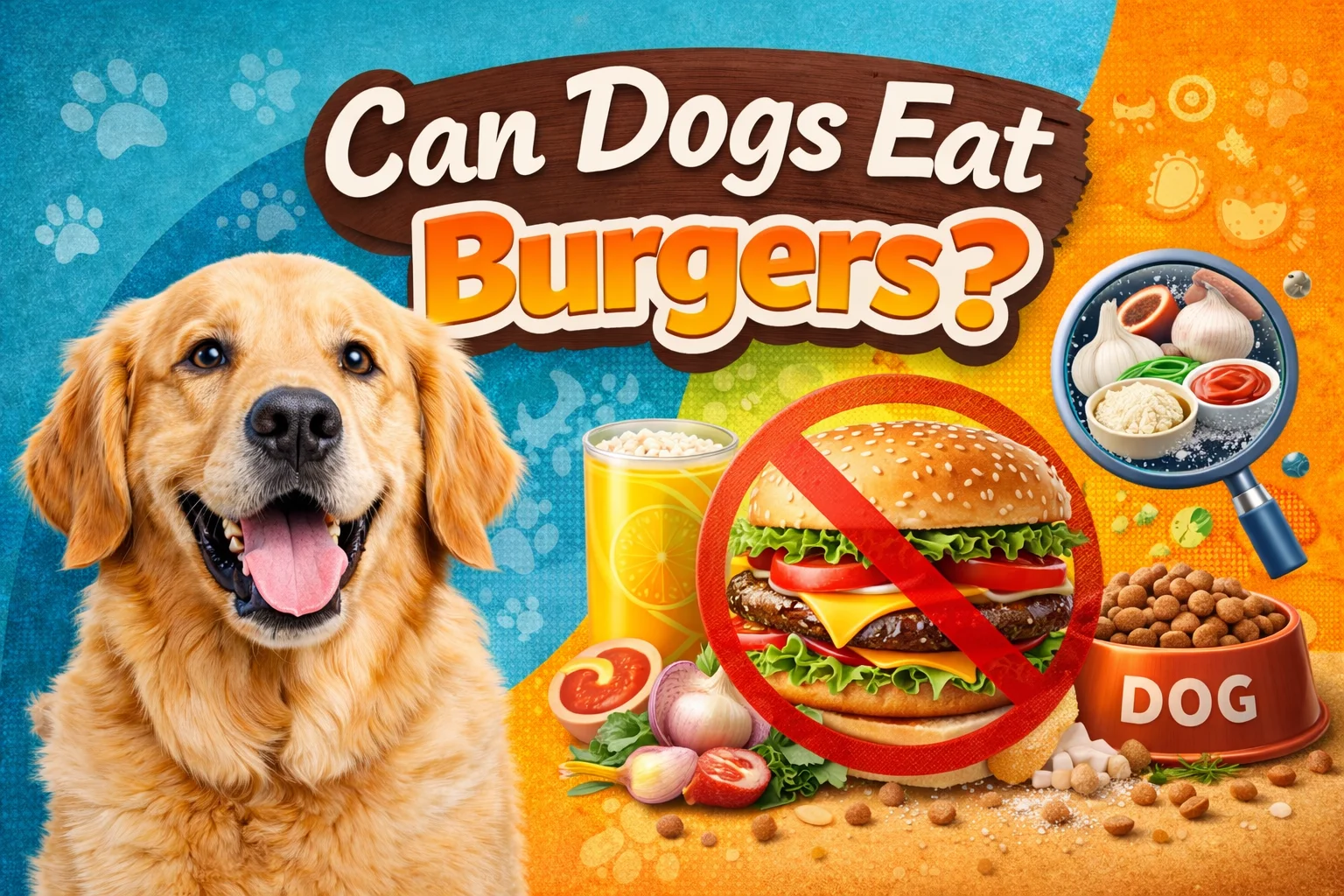
Burgers are one of the most popular comfort foods around the world. Whether grilled at home or ordered from a fast-food restaurant, burgers often end up on our plates during family meals. Because dogs are naturally curious and love the smell of cooked meat, many owners wonder: can dogs eat burgers safely, or should they be avoided altogether?
At first glance, a burger may seem harmless. After all, it contains meat, which dogs naturally enjoy. However, burgers are not as simple as they appear. They often include ingredients, seasonings, and additives that can negatively affect a dog’s health. Understanding what makes burgers unsafe, when small amounts might be tolerated, and what alternatives are better is essential for responsible dog owners.
This detailed guide explains everything clearly so you can make the best decision for your dog’s health.
Understanding What a Burger Really Contains
Before deciding whether dogs can eat burgers, it is important to look beyond the meat. A typical burger usually includes:
- Ground beef or other meat
- Salt and spices
- Oil or butter is used for cooking
- Buns made with refined flour
- Toppings such as cheese, onions, sauces, and pickles
While dogs can eat plain cooked meat, the combination of ingredients in burgers often makes them unsuitable for dogs.
Can Dogs Eat Burgers Safely?
The short answer is no, dogs should not eat regular burgers, especially those made for humans. Although the meat itself may not be toxic, burgers usually contain ingredients that are unhealthy or even dangerous for dogs.
That said, a very small amount of plain, unseasoned cooked meat from a burger patty may be safe occasionally. However, this should only happen under specific conditions, which will be discussed later.
Why Burgers Are Not Good for Dogs
Although burgers smell tempting, they pose several health risks for dogs. Understanding these risks helps explain why burgers should not be part of a dog’s diet.
High Salt Content
Most burgers contain added salt. Dogs are highly sensitive to sodium, and excessive salt intake can lead to dehydration, vomiting, diarrhea, and, in severe cases, sodium poisoning. Over time, high salt intake may also contribute to heart and kidney problems.
Harmful Seasonings and Spices
Burger patties often include garlic powder, onion powder, black pepper, or other spices. Garlic and onions are toxic to dogs and can damage red blood cells, leading to anemia. Even small amounts consumed repeatedly can cause long-term health issues.
High Fat Levels
Burgers are usually high in fat, especially fast-food burgers. Too much fat can upset a dog’s digestive system and increase the risk of pancreatitis, a painful and potentially serious condition. Dogs that regularly eat fatty foods may also gain excess weight.
Processed Ingredients
Many store-bought or fast-food burgers are highly processed. These burgers may contain preservatives, artificial flavors, and fillers that provide no nutritional value for dogs and may irritate their digestive systems.
Burger Buns and Bread
Burger buns are made from refined flour and often contain sugar, yeast, and preservatives. While bread is not toxic, it offers no real benefit to dogs and can contribute to weight gain and blood sugar issues.
Dangerous Toppings
Common burger toppings are particularly risky for dogs:
- Cheese may cause digestive upset in lactose-intolerant dogs
- Onions are toxic
- Pickles contain excessive salt
- Sauces often include sugar, spices, and artificial additives
Together, these toppings make burgers even more unsuitable for dogs.
Can Dogs Eat Homemade Burgers?
Homemade burgers can be safer only if they are prepared specifically for dogs. A dog-friendly burger should meet all of the following conditions:
- Made with lean meat
- Fully cooked
- No salt, spices, or seasoning
- No onions, garlic, or additives
- Served without bread or toppings
Even then, homemade burger meat should be given only as an occasional treat, not as a meal replacement.
Can Puppies Eat Burgers?
Puppies have more sensitive digestive systems than adult dogs. Because of this, burgers are especially unsafe for puppies. High fat, salt, and seasoning can cause stomach upset, diarrhea, and nutritional imbalance.
Puppies require carefully balanced diets to support growth. Feeding burgers, even occasionally, can interfere with proper nutrition and should be avoided.
What Happens If a Dog Eats a Burger?
If a dog accidentally eats a burger, the outcome depends on the amount consumed and the ingredients involved.
Mild Symptoms May Include:
- Upset stomach
- Gas or bloating
- Soft stools or diarrhea
Serious Symptoms May Include:
- Vomiting
- Lethargy
- Abdominal pain
- Excessive thirst
- Weakness
If a burger contained onions, garlic, or excessive fat, symptoms may appear hours or even days later. In such cases, contacting a veterinarian is strongly advised.
Are Fast-Food Burgers Worse for Dogs?
Yes, fast-food burgers are significantly worse for dogs than homemade ones. These burgers are usually:
- Extremely high in sodium
- Cooked in oils or fats
- Loaded with preservatives
- Combined with sauces and processed cheese
Fast-food burgers pose a much higher risk of digestive upset and long-term health problems in dogs.
Why Dogs Love Burgers So Much
Dogs are naturally attracted to burgers because of their strong smell and high fat content. Fat enhances flavor, which makes burgers irresistible to dogs. However, just because dogs enjoy a food does not mean it is safe or healthy for them.
Dogs rely on owners to make responsible feeding decisions, even when begging eyes make it difficult.
Healthier Alternatives to Burgers for Dogs
Instead of sharing burgers, consider safer and healthier options that satisfy your dog’s taste buds.
Lean Cooked Meat
Plain cooked chicken, turkey, or beef without seasoning is a much better choice. These meats provide protein without harmful additives.
Dog-Friendly Homemade Treats
You can prepare simple homemade dog treats using dog-safe ingredients. These treats allow you to control what your dog eats.
High-Quality Dog Food
Commercial dog foods are designed to meet nutritional needs. Choosing a high-quality brand ensures your dog gets balanced nutrients without unnecessary risks.
Can Dogs Eat Burger Meat as a Treat?
Yes, plain burger meat can be given occasionally if it is:
- Fully cooked
- Unseasoned
- Low in fat
- Free from onions, garlic, or spices
The portion should be very small and offered only once in a while. Regular feeding is not recommended.
How Often Can Dogs Eat Burger Meat?
Even when prepared safely, burger meat should not be a frequent treat. Feeding it too often can lead to:
- Weight gain
- Digestive problems
- Nutritional imbalance
Once every few weeks, in small quantities, is generally safer for healthy adult dogs.
Common Myths About Dogs and Burgers
Myth 1: Dogs Can Eat Anything Humans Eat
Dogs have different digestive systems and nutritional needs. Many human foods are unsafe for dogs.
Myth 2: Meat Is Always Safe
While meat itself is safe, preparation matters. Seasoned or fatty meat can be harmful.
Myth 3: One Bite Will Not Hurt
Repeated small amounts can cause long-term health issues, especially when toxic ingredients are involved.
Final Thoughts: Can Dogs Eat Burgers?
So, can dogs eat burgers?
In most cases, no. Burgers made for humans contain salt, fat, spices, and additives that can harm a dog’s health. While a tiny piece of plain, unseasoned burger meat may be safe occasionally, burgers should never become part of a dog’s regular diet.
Choosing dog-safe alternatives protects your pet’s digestive system, supports long-term health, and prevents avoidable medical issues. When it comes to feeding dogs, simplicity and moderation always lead to better outcomes.
Your dog may love the smell of burgers, but what they truly need is a balanced diet designed specifically for them.
What do you think?
Related Articles

What Vegetables Can Dogs Eat? Safe and Unsafe Vegetables
Many vegetables are safe and healthy for dogs, but some can be dangerous. Learn what vegetables dogs can eat, what they can eat daily, and
Can Dogs Eat Anchovies? Benefits, Risks, and Safe Guide
Can dogs eat anchovies safely? Discover the benefits, risks, and proper way to feed anchovies to dogs. Learn how these small fish can support your

Can Dogs Eat White Chocolate? A Complete Safety Guide
Can dogs eat white chocolate or is it dangerous? Discover the risks, symptoms of chocolate poisoning, and what to do if your dog eats white