Can dogs eat multivitamins?
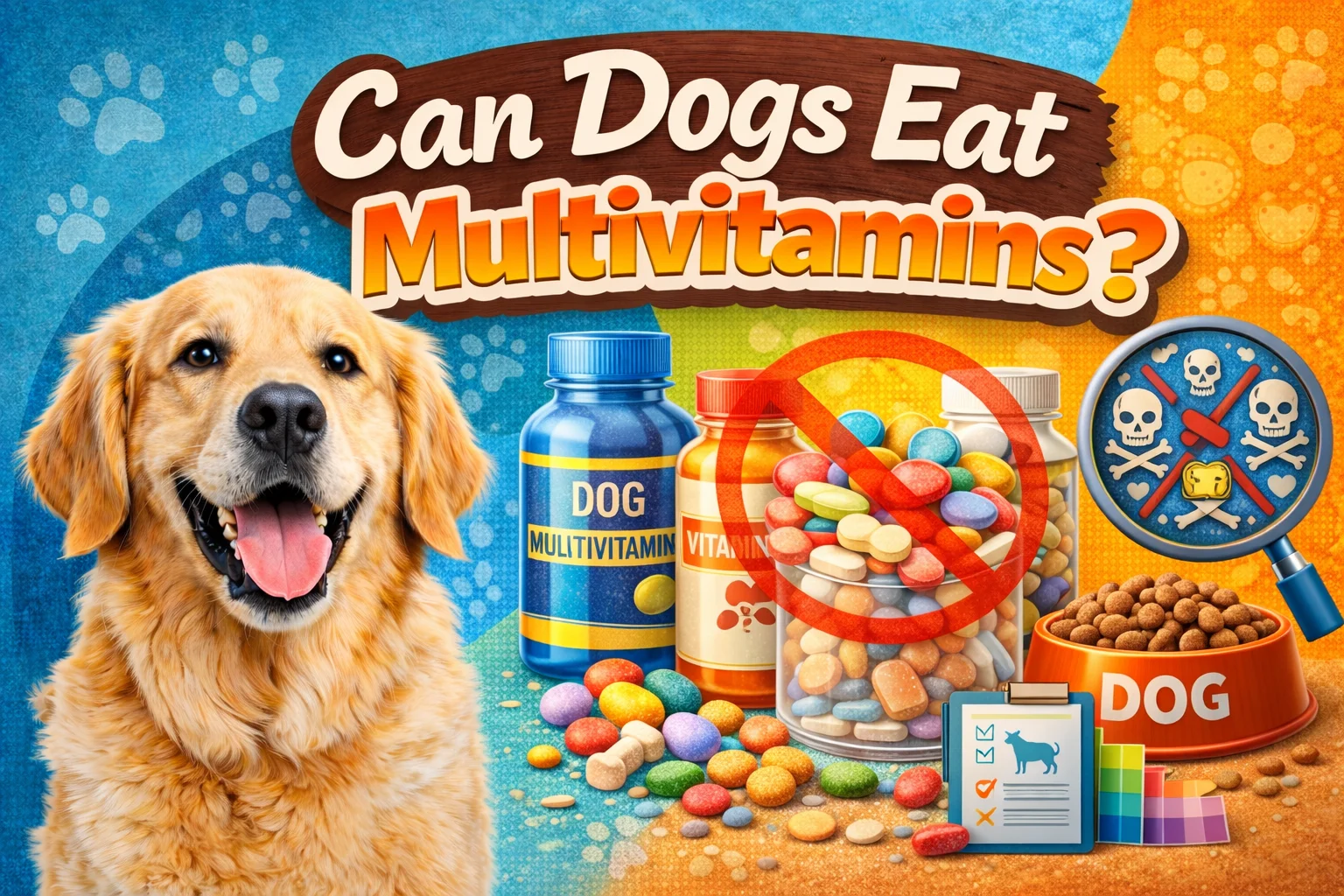
Dog owners often ask many food-related questions, and some of them can sound confusing at first. For instance, can dogs eat cookies is a common query, yet another important concern deserves equal attention: Can dogs eat multivitamins safely? While cookies and multivitamins are very different, both raise the same underlying issue—what is truly safe and beneficial for dogs?
In today’s world, supplements have become extremely popular. Humans rely on multivitamins to fill nutritional gaps, so naturally, pet parents wonder whether the same approach works for dogs. However, dogs have unique nutritional needs, and those needs must be respected. Therefore, before offering any supplement, a proper understanding becomes essential.
This guide explains everything you need to know about multivitamins for dogs, including benefits, risks, correct usage, and safer alternatives, all while keeping your dog’s long-term health in focus.
Can Dogs Eat Cookies and Multivitamins the Same Way Humans Do?
At first glance, it might seem reasonable to assume that dogs can take multivitamins just like people do. After all, vitamins are nutrients, and nutrients are necessary for life. However, dogs process vitamins very differently from humans.
Dogs receive most of their required vitamins and minerals from complete commercial dog food. These foods are carefully formulated to meet canine nutritional standards. As a result, adding extra supplements without a real need may cause more harm than good.
Similarly, when people ask can eat cookies, the answer is usually no because cookies contain sugar, fats, and additives that dogs do not need. In the same way, human multivitamins are not designed for dogs and may include ingredients that overwhelm a dog’s system.
Why Dog Owners Consider Multivitamins in the First Place
Many dog owners genuinely want to do what is best for their pets. Because of that, they may consider multivitamins in specific situations. For example, aging dogs often show reduced energy levels. Likewise, picky eaters may not consume a balanced diet consistently. In addition, dogs recovering from illness may appear weak or nutrient-deficient.
Furthermore, marketing plays a major role. Supplement labels often promise shinier coats, stronger joints, and improved immunity. As a result, dog owners may feel that multivitamins act as an “insurance policy” for health.
However, supplements should never replace proper nutrition. Instead, they should only be used when a real deficiency or medical condition exists.
Can Dogs Eat Cookies-Style Supplements Disguised as Treats?
Many dog multivitamins come in chewable forms that look and taste like treats. Because of that, owners may assume they are harmless. While these supplements may appear similar to treats, they still contain concentrated nutrients.
Unlike regular dog treats, vitamin chews deliver active compounds that affect internal systems. Therefore, overuse can lead to nutrient toxicity. For instance, fat-soluble vitamins such as A, D, E, and K accumulate in the body rather than being easily.
So even if a supplement looks like a cookie, it should never be treated like one.
Understanding Essential Vitamins for Dogs
Dogs need vitamins just like humans, but the required amounts differ greatly. The most important vitamins for dogs include:
- Vitamin A – supports vision and immune health
- Vitamin B-complex – helps with energy metabolism and brain function
- Vitamin D – regulates calcium and bone strength
- Vitamin E – acts as an antioxidant
- Vitamin K – assists with blood clotting
Additionally, minerals such as calcium, phosphorus, zinc, and iron also play vital roles. Fortunately, high-quality dog food already includes these nutrients in balanced proportions.
Because of this, adding extra vitamins without guidance may disrupt that balance.
Can Dogs Eat Cookies and Still Get Enough Nutrients?
Dogs that eat excessive treats, table scraps, or cookies often consume empty calories. Over time, this habit can reduce their intake of nutritionally complete dog food. Consequently, nutritional imbalances may develop.
However, the solution is not automatically multivitamins. Instead, improving diet quality usually resolves the issue. High-protein dog food, appropriate portion sizes, and limited treats provide far better results than unnecessary supplements.
In other words, poor diet choices should not be “fixed” with vitamins.
When Multivitamins May Be Helpful for Dogs
Although unnecessary for most dogs, multivitamins may help in specific cases. These include:
- Dogs on home-cooked diets without veterinary formulation
- Senior dogs with reduced nutrient absorption
- Dogs with chronic illnesses affecting digestion
- Puppies with specific deficiencies diagnosed by a vet
In these situations, a dog-specific multivitamin, prescribed or approved by a veterinarian, may support recovery or maintenance.
Importantly, supplementation should always follow professional advice.
Can Dogs Eat Cookies-Inspired Human Multivitamins?
Human multivitamins are never a safe alternative for dogs. Many contain ingredients such as:
- Artificial sweeteners (including xylitol)
- High iron levels
- Excess vitamin D
- Herbal additives unsafe for dogs
Even small doses can cause vomiting, diarrhea, organ stress, or poisoning. Therefore, human supplements should always be kept out of reach.
Just as cookies designed for humans are unsafe for dogs, human vitamins fall into the same category.
Risks of Over-Supplementation in Dogs
More vitamins do not mean better health. In fact, excessive supplementation may cause serious problems, such as:
- Bone abnormalities from excess vitamin D
- Liver damage from too much vitamin A
- Digestive upset and lethargy
- Mineral imbalance affecting the heart and muscles
Because dogs are smaller than humans, their tolerance thresholds are much lower. As a result, even modest overdoses may have severe consequences.
For this reason, supplements should never be given “just in case.”
Can Dogs Eat Cookies and Multivitamins Together?
Combining unhealthy treats with supplements creates a misleading sense of balance. While owners may think vitamins cancel out poor food choices, the opposite often occurs.
Cookies contribute sugar, fats, and unnecessary calories. Meanwhile, vitamins add concentrated nutrients. Together, they increase the risk of obesity and nutrient overload.
Instead of mixing both, a better approach involves balanced meals, healthy treats, and minimal supplementation.
Natural Alternatives to Multivitamins
Rather than using supplements, many nutrients can be provided naturally through safe foods. For example:
- Cooked eggs provide protein and B vitamins
- Carrots and pumpkin offer fiber and antioxidants
- Blueberries contain natural antioxidants
- Plain yogurt supports gut health
When used in moderation and prepared safely, whole foods offer bioavailable nutrients without the risk of overdose.
However, any dietary change should be introduced gradually.
How to Choose the Right Multivitamin for Dogs
If supplementation becomes necessary, careful selection matters. A good dog multivitamin should:
- Be formulated specifically for dogs
- Match your dog’s age and size
- Contain clearly listed ingredients
- Avoid artificial colors and sweeteners
Most importantly, it should be recommended by a veterinarian who understands your dog’s health history.
Can Dogs Eat Cookie-Based Diets and Still Thrive?
Dogs thrive on consistency and balance, not shortcuts. Diets heavy in cookies, treats, or human foods reduce overall health over time. Supplements cannot correct long-term dietary mistakes.
Therefore, long-term wellness depends on:
- Quality commercial dog food
- Controlled treat intake
- Regular vet checkups
- Physical activity
Supplements may support health, but they should never become a substitute for proper care.
Signs Your Dog Might Need Nutritional Evaluation
Instead of guessing, watch for signs that suggest a nutritional issue, such as:
- Dull or thinning coat
- Low energy levels
- Poor appetite
- Digestive irregularities
If these symptoms appear, professional evaluation should come first. Self-prescribing vitamins often delays proper treatment.
Final Thoughts: Can Dogs Eat Cookies and Multivitamins Safely?
So, can dogs eat multivitamins? Yes, but only when necessary and only in dog-specific forms. Can dogs eat cookies? Generally, no, and especially not regularly.
The safest approach always focuses on prevention rather than correction. Balanced nutrition, informed choices, and veterinary guidance protect dogs far better than guesswork.
When it comes to your dog’s health, less is often more—and smarter is always better.
What do you think?
Related Articles

What Vegetables Can Dogs Eat? Safe and Unsafe Vegetables
Many vegetables are safe and healthy for dogs, but some can be dangerous. Learn what vegetables dogs can eat, what they can eat daily, and
Can Dogs Eat Anchovies? Benefits, Risks, and Safe Guide
Can dogs eat anchovies safely? Discover the benefits, risks, and proper way to feed anchovies to dogs. Learn how these small fish can support your

Can Dogs Eat White Chocolate? A Complete Safety Guide
Can dogs eat white chocolate or is it dangerous? Discover the risks, symptoms of chocolate poisoning, and what to do if your dog eats white