Can dogs eat smoked meat?A Complete Guide to Smoked Meat
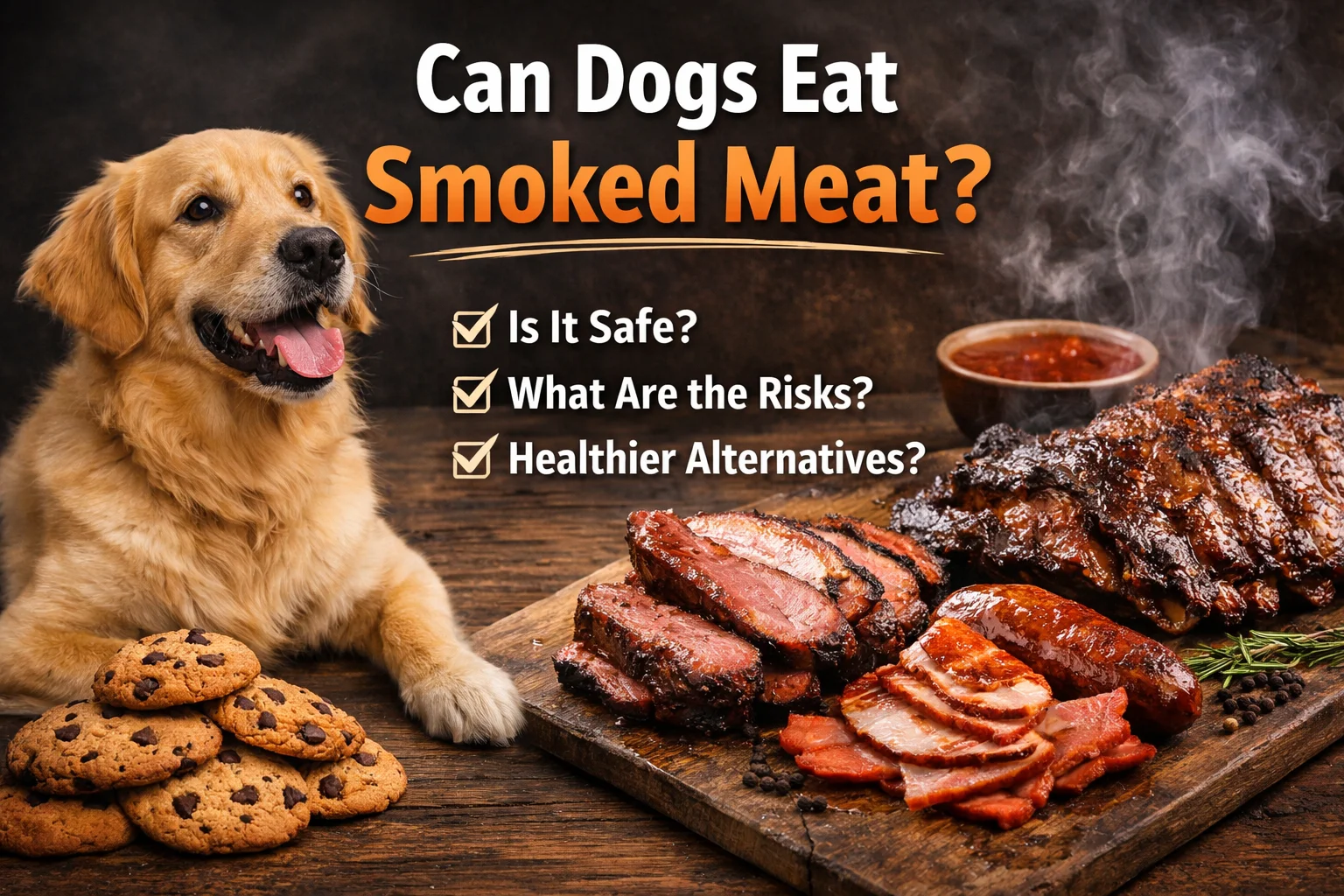
Dogs are naturally curious eaters. They watch us closely during meals, hoping for a bite of whatever we are enjoying. As a result, many dog owners often wonder about sharing human food. Questions like ” Can dogs eat cookies or ” Can dogs eat smoked meat come up frequently, especially when dogs beg persistently at the table.
Although meat seems like a natural choice for dogs, the way food is prepared matters greatly. Smoked meat, in particular, raises serious concerns. In this detailed guide, we will explore whether dogs can safely eat smoked meat, how it affects their health, and why comparing it to other human foods like cookies helps us understand better food choices for dogs.
Understanding Why Dog Owners Ask: Can Dogs Eat Cookies?
The question can dogs can eat cookies may sound unrelated to smoked meat at first. However, it reflects a much bigger issue: many human foods are not designed for a dog’s digestive system. Cookies contain sugar, fats, and sometimes harmful ingredients. Smoked meats, on the other hand, contain salt, fat, and chemical compounds from smoking.
In both cases, the concern remains the same — what is safe versus what is harmful for dogs.
Dogs evolved to eat a balanced diet that is very different from ours. Therefore, even foods that seem harmless can create long-term health problems if offered regularly.
What Exactly Is Smoked Meat?
Smoked meat is meat that has been cooked or preserved using smoke from burning wood. This process enhances flavor, improves shelf life, and changes the texture of the meat. People often smoke beef, chicken, turkey, fish, and pork.
However, during smoking:
- Salt is commonly added for preservation
- Fat often remains high
- Seasonings and rubs are used
- Chemical smoke compounds settle into the meat
As a result, smoked meat becomes very different from plain, cooked meat that dogs can safely eat.
Can Dogs Eat Smoked Meat in Small Amounts?
So, can dogs eat smoked meat at all?
The honest answer is yes, but only in very limited and controlled situations.
A very small piece of plain smoked meat — without seasoning, without bones, and without excess fat — may not immediately harm a healthy dog. However, this does not mean smoked meat is safe or beneficial.
Dogs should never eat smoked meat regularly. Even occasional feeding carries risks, especially for small dogs, senior dogs, or dogs with sensitive stomachs.
Why Smoked Meat Is Risky for Dogs
1. High Salt Content Creates Health Problems
One of the biggest issues with smoked meat is salt. Dogs need very little sodium in their diet. Smoked meat often contains far more salt than a dog’s body can comfortably handle.
Too much salt can lead to:
- Excessive thirst
- Dehydration
- Vomiting
- Diarrhea
- Weakness
- Kidney strain
Over time, repeated salt exposure can contribute to serious health conditions. Therefore, even if your dog appears fine after eating smoked meat once, long-term effects may develop silently.
2. Fatty Smoked Meat Can Trigger Pancreatitis
Another major concern is fat. Many smoked meats retain high levels of fat, especially pork, brisket, or ribs. Dogs digest fat differently from humans.
A sudden intake of fatty food can inflame the pancreas, leading to pancreatitis. This condition causes:
- Severe abdominal pain
- Repeated vomiting
- Loss of appetite
- Lethargy
Pancreatitis can become life-threatening if left untreated. Because of this, veterinarians strongly discourage feeding dogs fatty human foods, including smoked meat.
3. Spices and Seasonings Are Dangerous
Smoked meat is rarely plain. Most recipes use spice rubs or marinades that contain ingredients unsafe for dogs. Common seasonings such as onion powder, garlic powder, chili, and pepper can cause serious digestive upset or toxicity.
Even when the spice level seems mild to humans, it can severely irritate a dog’s stomach and intestines. Over time, repeated exposure may cause chronic digestive problems.
4. Smoked Bones Are Extremely Unsafe
Some people assume that giving dogs smoked bones is natural. Unfortunately, this assumption is dangerous.
Smoking dries out bones, making them brittle. When dogs chew these bones, they can splinter easily. Sharp bone fragments may:
- Damage to gums and teeth
- Cause choking
- Puncture the stomach or intestines
- Create dangerous blockages
For this reason, smoked bones should never be given to dogs under any circumstances.
Can Dogs Eat Cookies and Smoked Meat for the Same Reasons?
Although cookies and smoked meat are very different foods, the reasons they are unsafe for dogs overlap.
Why Cookies Are Similar in Risk
Cookies often contain:
- Sugar
- Butter or oil
- Chocolate or raisins
- Artificial sweeteners
These ingredients offer no nutritional value to dogs and may cause obesity, diabetes, or toxicity.
Why Smoked Meat Is Similar
Smoked meat contains:
- Excess salt
- High fat
- Harmful seasonings
- Smoke compounds
Both foods highlight the same rule: human snacks are not dog snacks.
What Happens If a Dog Eats Smoked Meat Accidentally?
Dogs are fast and clever. If your dog steals smoked meat from a plate, do not panic. Instead, monitor closely.
Watch for These Symptoms
- Vomiting
- Diarrhea
- Lethargy
- Excessive thirst
- Loss of appetite
If symptoms appear or worsen, contact a veterinarian immediately. Quick action can prevent complications.
In mild cases, providing fresh water and avoiding additional treats for the rest of the day may help stabilize digestion.
Healthier Alternatives to Smoked Meat
Instead of smoked meat, offer safer protein options that dogs can digest easily.
Plain Cooked Meats
Boiled or baked chicken, turkey, or lean beef without seasoning is a much safer choice.
Dog-Specific Treats
Commercial dog treats are formulated with proper nutrients and safe ingredients.
Natural Snacks
Carrots, green beans, and apple slices (without seeds) make excellent low-calorie treats.
These alternatives allow dogs to enjoy variety without risking their health.
Can Dogs Eat Cookies If They Are Homemade?
Some owners assume homemade cookies are safe. However, even homemade versions often contain sugar and fats that dogs do not need.
If you want to give a cookie-style treat, choose dog-specific biscuits made with dog-safe ingredients. These treats are designed for canine digestion and help avoid unnecessary risks.
How Often Should Dogs Eat Human Food?
Human food should always remain occasional, not routine. Dogs thrive best on consistent, balanced diets formulated for their nutritional needs.
Even safe human foods should:
- Be given in small portions
- Not replace meals
- Be offered infrequently
Consistency protects your dog’s digestive system and overall health.
Special Dogs Who Should Never Eat Smoked Meat
Some dogs are especially vulnerable and should avoid smoked meat entirely:
- Puppies
- Senior dogs
- Dogs with kidney disease
- Dogs with a pancreatitis history
- Dogs with food sensitivities
For these dogs, even small amounts may cause serious reactions.
Long-Term Risks of Feeding Smoked Meat Regularly
Repeated exposure to smoked meat may contribute to:
- Obesity
- Kidney strain
- Digestive disorders
- Heart issues related to sodium intake
Because dogs often hide discomfort, problems may go unnoticed until they become severe. Prevention is always safer than treatment.
Final Thoughts: Can Dogs Eat Smoked Meat Safely?
So, can dogs eat smoked meat?
Yes, they can — but they should not.
Smoked meat offers no essential benefits for dogs and carries multiple health risks. Similarly, the question of whether dogs eat cookies teaches the same lesson: human treats are rarely dog-friendly.
As a responsible dog owner:
- Choose dog-safe foods
- Avoid salty, fatty, or processed items
- Treat human food as an exception, not a habit
By making smart feeding choices, you protect your dog’s health and ensure a longer, happier life by your side.
What do you think?
Related Articles
What Vegetables Can Dogs Eat? Safe and Unsafe Vegetables
Many vegetables are safe and healthy for dogs, but some can be dangerous. Learn what vegetables dogs can eat, what they can eat daily, and
Can Dogs Eat Anchovies? Benefits, Risks, and Safe Guide
Can dogs eat anchovies safely? Discover the benefits, risks, and proper way to feed anchovies to dogs. Learn how these small fish can support your

Can Dogs Eat White Chocolate? A Complete Safety Guide
Can dogs eat white chocolate or is it dangerous? Discover the risks, symptoms of chocolate poisoning, and what to do if your dog eats white