
Can Dogs Eat Apple Seeds?
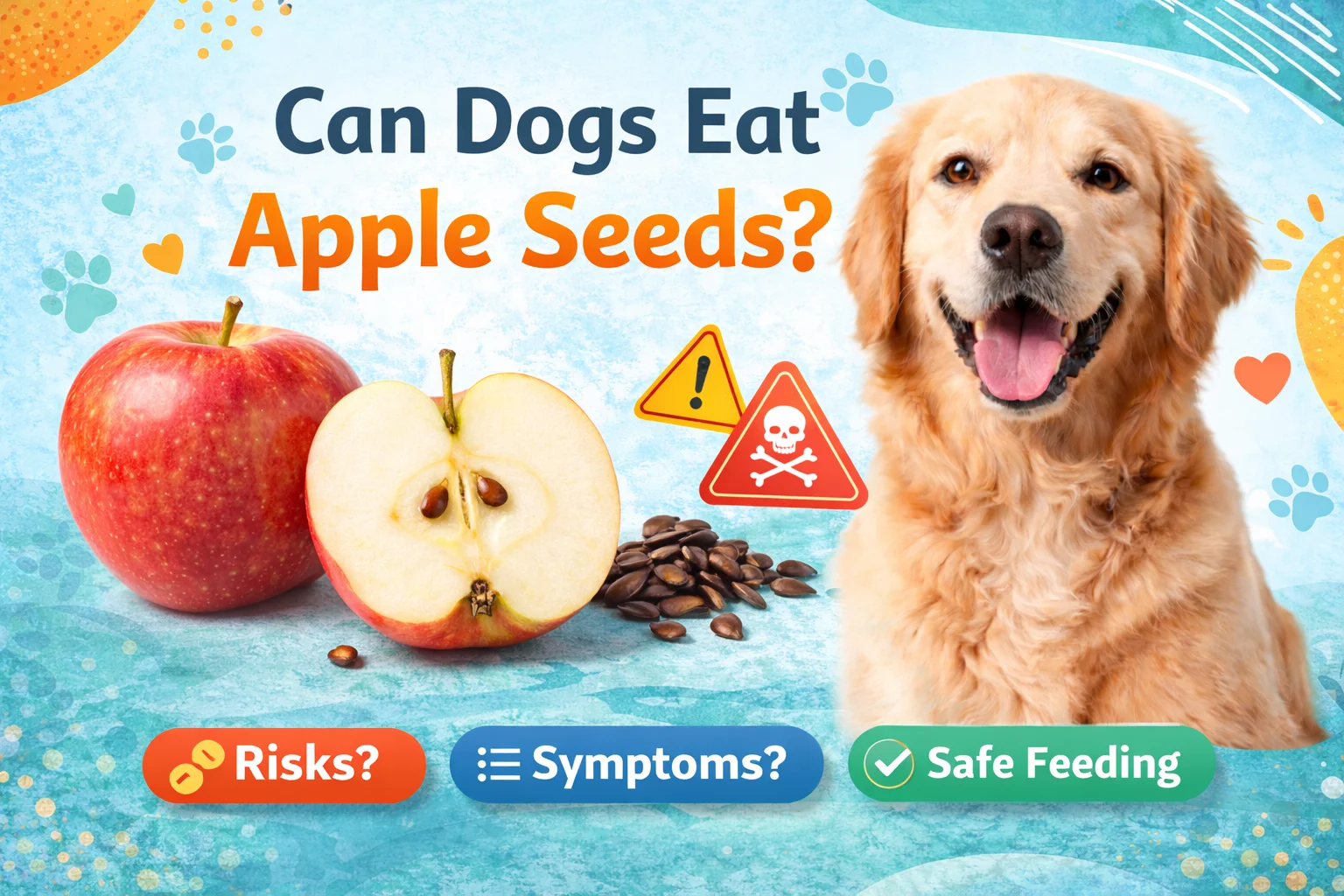
Apples are widely considered a healthy snack for dogs. They are crunchy, refreshing, and packed with nutrients. However, many pet owners pause before offering this fruit because they ask an important question: Can dogs eat apple seeds?
The short and responsible answer is no, dogs should not eat apple seeds. While the flesh of an apple is generally safe in moderation, the seeds contain compounds that can be harmful when consumed in significant amounts.
In this detailed guide, you will learn:
- Why apple seeds can be dangerous for dogs
- What toxin they contain
- How much is considered risky
- Symptoms of poisoning
- What to do if your dog eats apple seeds
- How to safely feed apples to your dog
Let’s explore everything step by step so you can make informed decisions for your pet’s safety.
Are Apple Seeds Toxic to Dogs?
Yes, apple seeds can be toxic under certain conditions. They contain a naturally occurring compound called amygdalin. When amygdalin is broken down during digestion, it can release cyanide, a toxic substance.
However, context matters. The amount of cyanide released from a few apple seeds is very small. In most cases, swallowing one or two seeds accidentally is unlikely to cause serious harm. Still, larger amounts may pose a risk, especially for small dogs.
Therefore, although apple flesh is safe, seeds should always be removed before feeding apples to your dog.
Why Do Apple Seeds Contain Cyanide?
Cyanide is not added artificially. It exists naturally in certain fruit seeds, including:
- Apples
- Pears
- Cherries
- Peaches
- Apricots
Plants produce these compounds as a defense mechanism against predators. When the seed is crushed or chewed, the chemical reaction releases small amounts of cyanide.
Dogs that swallow seeds whole may pass them without much breakdown. However, if the seeds are chewed thoroughly, the risk increases because more cyanide can be released during digestion.
How Dangerous Is Cyanide for Dogs?
Cyanide interferes with the body’s ability to use oxygen properly. Specifically, it prevents cells from utilizing oxygen at the cellular level. As a result, tissues may become deprived of oxygen even if breathing appears normal.
That said, toxicity depends on:
- The dog’s size
- The number of seeds consumed
- Whether the seeds were chewed
- The dog’s overall health
A large dog that swallows a few seeds accidentally will likely experience no symptoms. On the other hand, a small dog that chews and consumes a significant number of seeds may face a greater risk.
How Many Apple Seeds Are Dangerous for Dogs?
There is no exact number that applies universally. However, mild exposure from a few seeds rarely leads to poisoning.
Serious toxicity would typically require:
- A large quantity of seeds
- Seeds being crushed or chewed
- A small or sensitive dog
Because it is difficult to calculate exact toxic amounts at home, prevention is always the safest strategy.
Symptoms of Apple Seed Toxicity in Dogs
Although rare, cyanide poisoning is serious. If a dog consumes a large number of crushed seeds, symptoms may appear within minutes to hours.
Warning signs include:
- Rapid breathing
- Panting
- Excessive drooling
- Bright red gums
- Weakness
- Vomiting
- Dilated pupils
- Seizures
- Collapse
If any of these symptoms are observed after seed ingestion, emergency veterinary care should be sought immediately.
What Should You Do If Your Dog Eats Apple Seeds?
First, remain calm. Panic often leads to rushed decisions.
Step 1: Assess the Situation
- How many seeds were eaten?
- Were they chewed or swallowed whole?
- What is your dog’s size?
Step 2: Monitor Closely
If only one or two seeds were swallowed and your dog shows no symptoms, careful monitoring at home may be sufficient.
Step 3: Contact Your Veterinarian
If multiple seeds were consumed or if symptoms develop, contact your vet immediately. It is always better to seek advice rather than assume everything is fine.
Do not attempt home remedies or induce vomiting without professional guidance.
Can Dogs Eat Apple Cores?
Apple cores contain both seeds and tough fibrous material. Although the core itself is not toxic, it can pose a choking hazard or cause intestinal blockage, particularly in small dogs.
Therefore, apple cores should always be removed before offering apple slices.
Are Apple Stems and Leaves Dangerous?
Yes, apple stems and leaves also contain small amounts of cyanogenic compounds. While accidental ingestion is unlikely to cause serious harm, dogs should not be allowed to chew on apple tree branches or fallen fruit from the ground.
If you have an apple tree in your yard, supervision is recommended during fruit season.
Safe Benefits of Apples for Dogs
Despite concerns about seeds, apples themselves offer several health benefits when prepared properly.
1. Rich in Fiber
Apples support healthy digestion due to their fiber content.
2. Vitamin C
Although dogs produce their own vitamin C, small additional amounts may support immune health.
3. Low in Fat
Apples make a healthy alternative to high-calorie treats.
4. Dental Support
The crunchy texture may help reduce mild plaque buildup.
Because of these benefits, apples can be included safely in moderation.
How to Safely Feed Apples to Your Dog
Preparation matters greatly.
Step-by-Step Safe Preparation:
- Wash the apple thoroughly.
- Remove the stem and leaves.
- Cut the apple into slices.
- Remove all seeds carefully.
- Discard the core.
- Offer small, bite-sized pieces.
By following these steps, the risk associated with apple seeds can be eliminated.
How Much Apple Is Safe for Dogs?
Moderation is important. Apples contain natural sugars, and excessive intake may cause digestive upset.
As a general guideline:
- Small dogs: 1–2 small slices
- Medium dogs: 3–4 slices
- Large dogs: A handful of slices
Apples should make up no more than 10% of your dog’s daily calorie intake.
Can Puppies Eat Apples?
Yes, puppies can eat small, seedless apple slices. However, their digestive systems are more sensitive. Therefore, smaller portions should be given initially.
Always monitor for diarrhea or stomach upset when introducing any new food.
What Happens If a Dog Eats a Whole Apple?
If the apple was eaten whole, including seeds and core, the situation should be evaluated based on:
- The dog’s size
- Amount consumed
- Chewing behavior
In many cases, a large dog may digest most of the fruit and pass the core naturally. However, blockage or irritation could occur.
If vomiting, lethargy, or abdominal discomfort develop, veterinary care is required.
Can Apple Seeds Cause Long-Term Damage?
A single exposure is unlikely to cause long-term problems. However, repeated ingestion over time may increase risk.
Therefore, apple seeds should not be allowed as a regular snack.
Common Myths About Dogs and Apple Seeds
Myth 1: One Seed Will Kill a Dog
This is false. A single seed rarely causes harm.
Myth 2: All Parts of Apples Are Toxic
Only the seeds, leaves, and stems contain concerning compounds. The flesh is safe when prepared properly.
Myth 3: Cooking Destroys All Toxins
Although processing may reduce certain compounds, seeds should still be removed before cooking or baking apple treats.
When Is It an Emergency?
Seek emergency care if:
- Your dog consumed a large number of crushed seeds
- Severe symptoms appear
- Your dog is small and ingested multiple seeds
- Breathing becomes abnormal
Quick treatment greatly improves recovery outcomes.
Final Verdict: Can Dogs Eat Apple Seeds?
No, dogs should not eat apple seeds.
Although a small accidental ingestion is unlikely to cause severe poisoning, the presence of cyanide-producing compounds makes them unsafe. Fortunately, the risk can be eliminated by simply removing the seeds and core before serving apples.
Apples themselves can be a healthy and refreshing treat. However, preparation and portion control are essential.
What do you think?
Related Articles

What Vegetables Can Dogs Eat? Safe and Unsafe Vegetables
Many vegetables are safe and healthy for dogs, but some can be dangerous. Learn what vegetables dogs can eat, what they can eat daily, and
Can Dogs Eat Anchovies? Benefits, Risks, and Safe Guide
Can dogs eat anchovies safely? Discover the benefits, risks, and proper way to feed anchovies to dogs. Learn how these small fish can support your

Can Dogs Eat White Chocolate? A Complete Safety Guide
Can dogs eat white chocolate or is it dangerous? Discover the risks, symptoms of chocolate poisoning, and what to do if your dog eats white