Dog Probiotics: Benefits, Uses & Side Effects
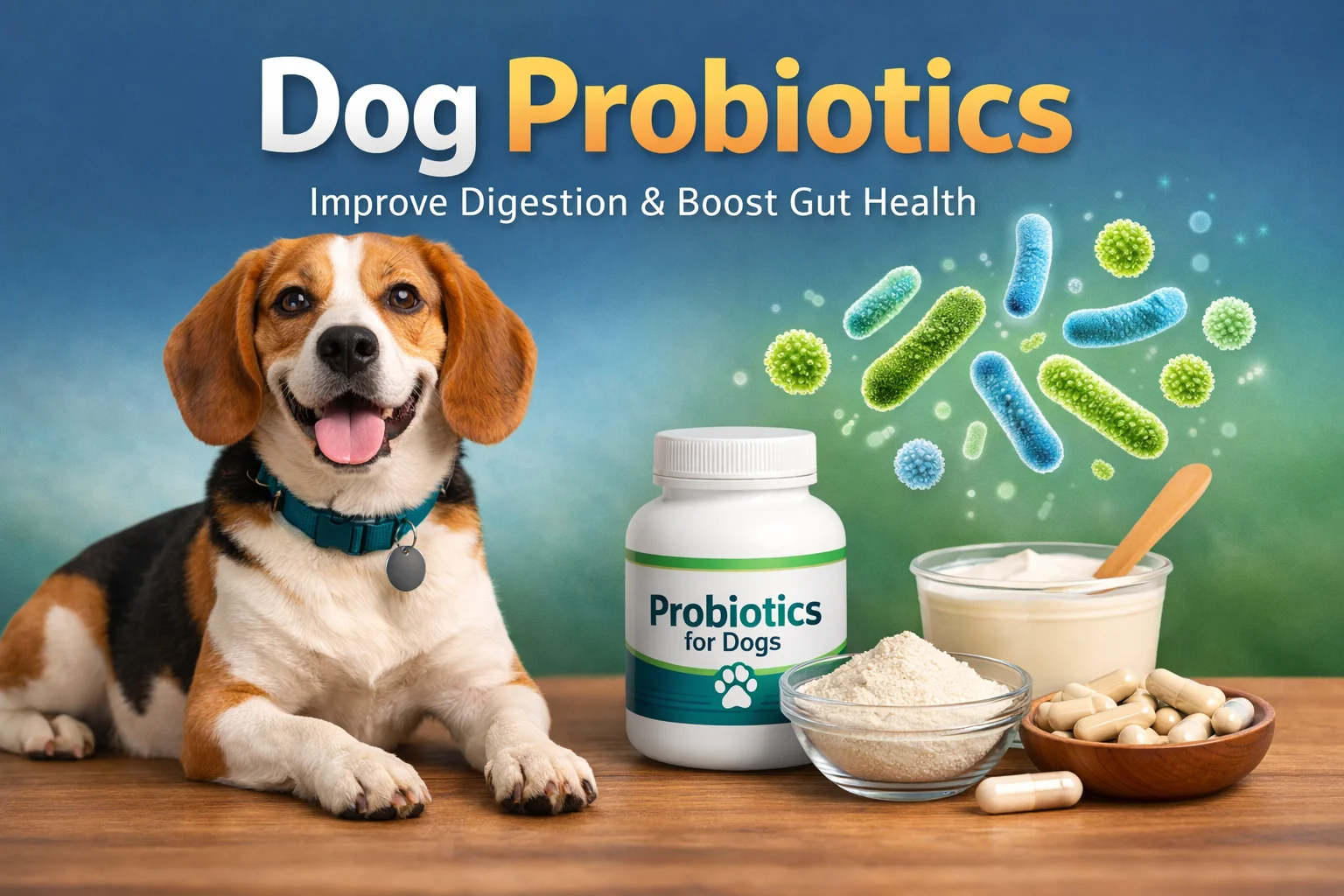
If you have ever wondered whether dog probiotics are really necessary or just another pet trend, you are not alone. In recent years, dog probiotics have become one of the most searched pet health supplements on Google. However, many pet owners still feel confused about what they are, how they work, and whether their dog truly needs them.
Therefore, in this complete guide, we will explore everything about dog probiotics, including benefits, risks, dosage, side effects, and how to choose the best probiotics for dogs. By the end of this article, you will clearly understand whether probiotics are right for your furry friend.
What Are Dog Probiotics?
Dog probiotics are live, beneficial microorganisms (mostly bacteria and some yeasts) that support your dog’s digestive and immune health. In simple words, they are “good bacteria” that help maintain balance in your dog’s gut.
Normally, your dog’s digestive system already contains billions of bacteria. However, when this balance is disturbed — due to stress, illness, poor diet, or antibiotics — harmful bacteria may multiply. As a result, digestive problems can occur.
That is exactly where dog probiotics can help. They restore healthy gut flora and improve overall digestive function.
Why Are Dog Probiotics Important?
First of all, it is important to understand that nearly 70% of a dog’s immune system is connected to the gut. Therefore, when the gut is healthy, the immune system functions better.
Moreover, probiotics do more than just support digestion. They also:
- Improve nutrient absorption
- Reduce diarrhea and constipation
- Support immune defense
- Help with allergies
- Reduce gas and bloating
- Improve stool consistency
Consequently, dogs that take probiotics regularly often show better digestion and improved overall health.
How Do Dog Probiotics Work?
To understand how dog probiotics work, let’s briefly discuss the digestive system.
Inside your dog’s intestines, both good and bad bacteria live together. Ideally, a healthy balance is maintained. However, when bad bacteria increase, digestive upset may occur.
Dog probiotics work in several ways:
- They crowd out harmful bacteria by competing for space and nutrients.
- They produce beneficial substances that help digestion.
- They strengthen the gut lining, which prevents toxins from entering the bloodstream.
- They support immune cell activity, thereby improving resistance against infections.
As a result, the gut environment becomes more stable and healthier.
Common Reasons Dogs Need Probiotics
Although many healthy dogs can benefit from dog probiotics, certain situations make them especially helpful.
1. After Antibiotic Use
Antibiotics kill harmful bacteria. However, they also destroy beneficial bacteria. Therefore, probiotics are often recommended after antibiotic treatment to restore gut balance.
2. Digestive Upset
If your dog frequently experiences diarrhea, loose stools, or constipation, probiotics may help regulate digestion.
3. Stress
Stress from travel, boarding, grooming, or moving to a new home can disrupt gut health. In such cases, dog probiotics can stabilize digestion.
4. Food Changes
Whenever you switch your dog’s food, digestive issues may occur. Consequently, probiotics can ease this transition.
5. Weak Immune System
Because gut health is directly linked to immunity, probiotics may support dogs with low immune response.
Benefits of Dog Probiotics
Now, let us explore the main benefits of dog probiotics in detail.
Improved Digestion
First and foremost, probiotics improve digestive efficiency. Nutrients are absorbed more effectively, and food is broken down properly.
Better Stool Quality
Many pet owners notice firmer stools after starting probiotics. In addition, diarrhea episodes are often reduced.
Reduced Gas and Bloating
Excess gas can be uncomfortable for dogs. However, probiotics help regulate fermentation in the gut, which reduces gas production.
Stronger Immune System
Since most immune cells are located in the intestines, probiotics help boost immune defenses.
Allergy Support
Interestingly, dog probiotics may also reduce skin allergies by balancing immune responses.
Yeast Control
Certain probiotic strains help control yeast overgrowth, which is common in dogs with ear infections or skin problems.
Types of Dog Probiotics
Not all probiotics are the same. Therefore, it is essential to understand the different types available.
1. Probiotic Supplements
These are specially formulated for dogs and come in:
- Powders
- Capsules
- Chewable tablets
- Soft chews
Most importantly, dog-specific probiotics are designed with strains that benefit canines.
2. Probiotic Dog Food
Some premium dog foods include added probiotics. However, the number of live bacteria may be lower compared to supplements.
3. Natural Sources
Certain natural foods contain probiotics, such as:
- Plain yogurt (unsweetened)
- Kefir
- Fermented vegetables (small amounts only)
Nevertheless, dairy products should be given cautiously because some dogs are lactose intolerant.
Best Probiotic Strains for Dogs
When choosing dog probiotics, look for strains such as:
- Lactobacillus acidophilus
- Lactobacillus rhamnosus
- Bifidobacterium animalis
- Enterococcus faecium
These strains have been widely studied and are considered beneficial for canine digestive health.
Additionally, the product should clearly state the CFU count (colony-forming units). Generally, high-quality dog probiotics contain billions of CFUs per serving.
Are Dog Probiotics Safe?
In most cases, dog probiotics are considered safe. However, mild side effects may occur when first introduced.
Possible side effects include:
- Temporary gas
- Mild bloating
- Soft stools
Fortunately, these symptoms usually disappear within a few days as the dog’s body adjusts.
However, dogs with severe illnesses or compromised immune systems should only take probiotics under veterinary supervision.
How to Choose the Best Dog Probiotics
Because the market is flooded with products, choosing the best dog probiotics can feel overwhelming. Therefore, consider the following factors:
1. Species-Specific Formula
Always choose probiotics formulated specifically for dogs.
2. High CFU Count
Look for products containing at least 1–5 billion CFUs per dose.
3. Multiple Strains
A combination of beneficial strains is often more effective than a single strain.
4. Added Prebiotics
Prebiotics feed good bacteria. Therefore, products containing both probiotics and prebiotics are often more beneficial.
5. Storage Requirements
Some probiotics require refrigeration, while others are shelf-stable. Choose accordingly.
How to Give Dog Probiotics
Dog probiotics are usually easy to administer. They can be:
- Mixed with food
- Given as a chew treat
- Sprinkled over meals
However, always follow the recommended dosage based on your dog’s weight.
Furthermore, consistency is key. Probiotics work best when given regularly.
How Long Do Dog Probiotics Take to Work?
Generally, mild improvements may be noticed within a few days. However, significant results may take 2–4 weeks.
Therefore, patience is important. Gut balance takes time to restore.
Can Dogs Take Probiotics Daily?
Yes, in most cases, dog probiotics can be given daily. In fact, many veterinarians recommend regular supplementation for long-term gut health.
However, dosage and duration should always follow product guidelines or veterinary advice.
When Should You Avoid Dog Probiotics?
Although probiotics are generally safe, they should be avoided if:
- Your dog has a serious immune disorder
- Your dog is critically ill
- Your veterinarian advises against it
In such cases, professional guidance is necessary.
Dog Probiotics vs. Prebiotics: What’s the Difference?
While probiotics are live beneficial bacteria, prebiotics are fibers that feed these bacteria.
In other words:
- Probiotics = Good bacteria
- Prebiotics = Food for good bacteria
Therefore, both work together to support gut health.
Final Thoughts on Dog Probiotics
In conclusion, dog probiotics can be an excellent addition to your pet’s health routine. They support digestion, improve stool quality, strengthen immunity, and even help with allergies.
However, it is important to choose high-quality, dog-specific probiotics and introduce them gradually. Moreover, if your dog has ongoing digestive problems, consulting a veterinarian is always recommended.
Ultimately, a healthy gut leads to a healthier and happier dog. Therefore, if your dog experiences digestive upset, stress, or immune weakness, dog probiotics may be worth considering.
What do you think?
Related Articles

What Vegetables Can Dogs Eat? Safe and Unsafe Vegetables
Many vegetables are safe and healthy for dogs, but some can be dangerous. Learn what vegetables dogs can eat, what they can eat daily, and

Can Dogs Eat Anchovies? Benefits, Risks, and Safe Guide
Can dogs eat anchovies safely? Discover the benefits, risks, and proper way to feed anchovies to dogs. Learn how these small fish can support your

Can Dogs Eat White Chocolate? A Complete Safety Guide
Can dogs eat white chocolate or is it dangerous? Discover the risks, symptoms of chocolate poisoning, and what to do if your dog eats white