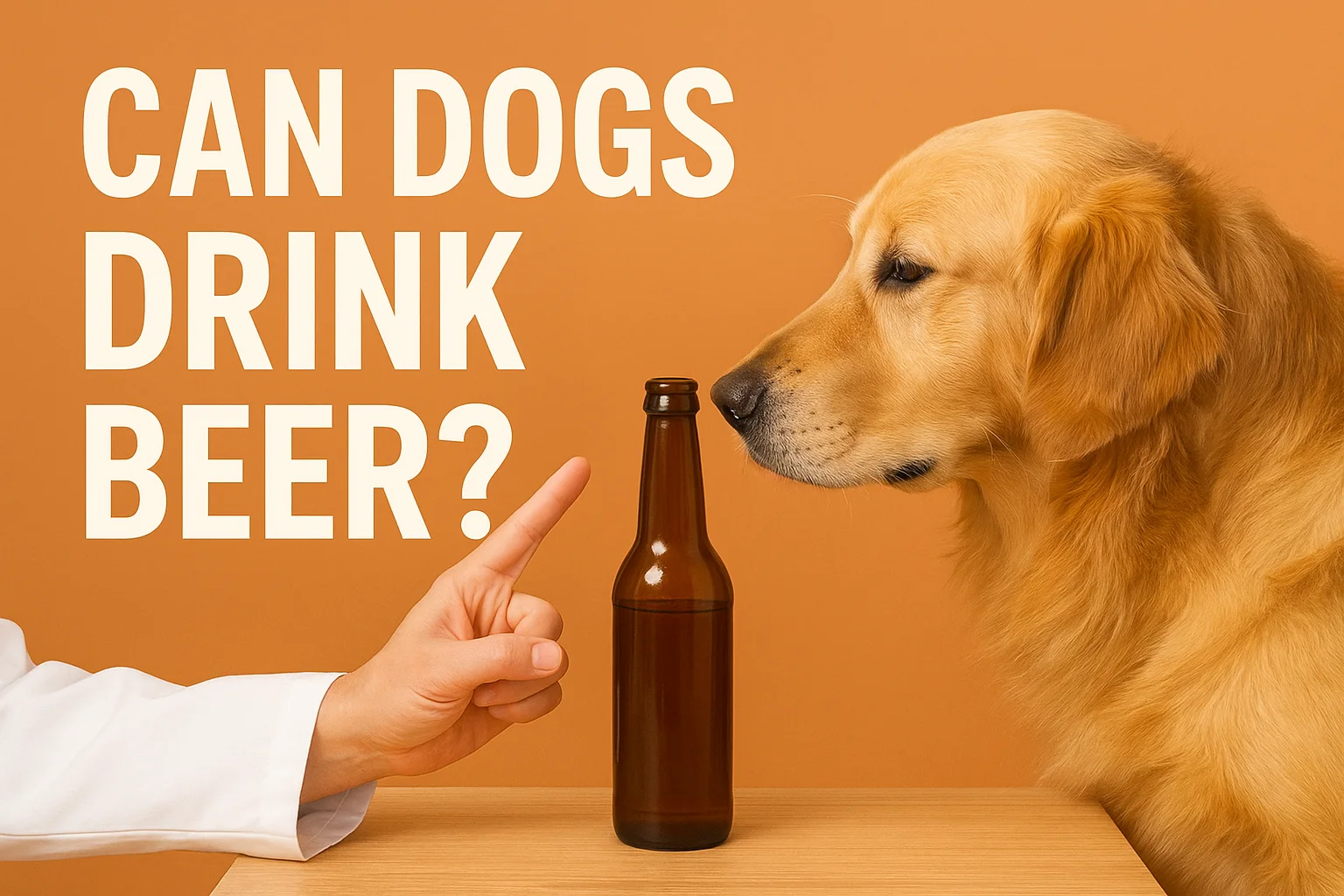
Can Dogs Drink Beer?
Introduction
After a long day, many people enjoy cracking open a cold beer. The relaxed mood, laughter, and companionship often include their dogs lounging nearby. In those lighthearted moments, some owners wonder: Can dogs drink beer too?
Although it may seem harmless or even funny, the truth is that beer and any alcoholic beverage can pose serious health risks to dogs. In this detailed guide, we’ll explore why beer is unsafe for dogs, how alcohol affects their bodies, what to do if your dog accidentally drinks it, and safe alternatives that still let your furry friend join the fun.
Understanding What Beer Contains
Beer might appear as a simple drink, but chemically, it’s far more complex. The main ingredients—water, hops, barley, and yeast—undergo fermentation, which produces ethyl alcohol (ethanol).
Ethanol is toxic to dogs even in small quantities. Unlike humans, dogs lack the liver enzymes necessary to process alcohol safely. Their smaller size and faster metabolism make them far more vulnerable to alcohol poisoning.
Additionally, hops, one of beer’s primary ingredients, can trigger severe reactions in dogs. According to PetMD, hops may cause rapid breathing, increased heart rate, high body temperature, and, in some cases, fatal complications.
Why Some Owners Offer Beer to Dogs
It’s not uncommon for dog owners to offer their pet a lick or sip of beer out of affection or curiosity. The reasons usually include:
- Celebration or bonding: Wanting to share a drink with a beloved pet during social events.
- Misinformation: Assuming a small amount won’t hurt.
- Social media influence: Viral videos or pictures showing dogs “enjoying” beer.
While intentions may be harmless, the consequences can be dangerous. Even a few tablespoons can cause disorientation, vomiting, and severe intoxication. The American Kennel Club warns in its article Is Alcohol Dangerous for Dogs? that ethanol affects dogs’ central nervous systems quickly, leading to potentially life-threatening conditions.
The Short Answer: No, Dogs Should Never Drink Beer
Simply put, dogs should never drink beer.
Beer is not just “a little unhealthy”; it’s toxic. Dogs metabolize substances differently from humans. What we perceive as mild or harmless can overwhelm their organs. Even alcohol-free or low-alcohol beers aren’t safe because they still contain small traces of ethanol, hops, carbonation, and artificial flavors that may irritate a dog’s digestive system.
Let’s look more deeply into what happens when alcohol enters your dog’s system.
How Alcohol Affects a Dog’s Body
When a dog consumes beer, the ethanol in the beverage rapidly enters their bloodstream through the stomach lining. Once inside, it depresses the central nervous system, similar to how anesthesia works — but uncontrolled and far more harmful.
Effects on Major Organs
- Brain: Alcohol slows coordination and reflexes. Dogs may stumble, drool excessively, or appear lethargic.
- Liver: Since a dog’s liver cannot process ethanol efficiently, toxins build up, leading to liver damage.
- Kidneys: Excessive dehydration may occur as the body tries to flush out the alcohol.
- Heart: Alcohol interferes with heart rhythm, sometimes causing collapse.
- Temperature regulation: Beer can lower body temperature dangerously, particularly in smaller breeds.
MasterClass highlights that dogs exposed to alcohol can suffer from seizures, coma, or even death if medical care is delayed.
Symptoms of Alcohol Poisoning in Dogs
If your dog accidentally drinks beer, signs of intoxication usually appear within 15–30 minutes. The severity depends on the amount consumed, the dog’s size, and whether they had food in their stomach.
Common symptoms include:
- Vomiting and diarrhea
- Loss of coordination or stumbling
- Lethargy or excessive sleepiness
- Drooling and disorientation
- Slowed breathing and heart rate
- Tremors or seizures
- Unconsciousness in severe cases
If your pet shows any of these signs, consider it a medical emergency.
What to Do if Your Dog Drinks Beer
- Don’t panic, but act quickly.
Move your dog to a quiet space and check how much beer they consumed. - Call your veterinarian immediately.
Provide details: type of beer, amount consumed, and your dog’s weight. If your vet is unavailable, contact the nearest animal emergency clinic or a pet poison helpline. - Do not induce vomiting unless specifically instructed by a vet. Vomiting can worsen dehydration or cause choking.
- Keep your dog hydrated. Offer fresh water and keep them warm.
- Monitor closely for symptoms of worsening intoxication like trembling, weakness, or confusion.
Prompt action can save your dog’s life. According to PetMD’s guide, early treatment—such as IV fluids, temperature control, and oxygen therapy—can prevent organ failure.
Long-Term Risks of Alcohol Exposure
Even if your dog recovers after a small exposure, repeated or larger intakes can cause chronic liver disease, kidney damage, and neurological problems. Some dogs may also develop digestive issues such as gastritis or pancreatitis.
More alarmingly, hops used in brewing can trigger malignant hyperthermia, especially in breeds like Labradors, Golden Retrievers, and Greyhounds. Their body temperature may rise dramatically, leading to seizures or cardiac arrest.
So, even letting your dog lick the rim of your beer glass is not worth the risk.
Safer Alternatives: Let Your Dog Join the Party Responsibly
If you want to include your pet in celebrations, you’re not alone. Many companies now offer non-alcoholic “dog beers” made with safe ingredients like chicken broth, peanut butter, or beef flavoring.
These products contain zero alcohol, zero hops, and are crafted for canine digestion. Always check the ingredients to ensure they contain no artificial sweeteners like xylitol, which is also toxic to dogs.
You can even make your own “dog beer” at home:
- Mix unsalted chicken broth with a splash of carrot juice.
- Add a small scoop of plain yogurt for a foamy look.
- Serve in your dog’s bowl — not a beer mug — for safety.
It’s a fun way to involve your pet without harming them.
How to Prevent Accidents
To keep your dog safe, consider these simple but crucial precautions:
- Never leave beer cans or bottles within reach.
- Inform guests not to offer your dog alcohol.
- Keep drinks on tables or counters, not the floor.
- Store leftover beer securely after parties.
Small lapses in attention can lead to big problems. Prevention is always easier — and cheaper — than treatment.
Related Reading for Responsible Pet Owners
If you’re curious about other human beverages and their effects on dogs, check out these detailed guides from your own site:
- Can Dogs Drink Coffee? — Discover why caffeine is dangerous for dogs and what to do if they ingest it.
- Can Dogs Drink Coconut Water? The Complete Guide for Dog Owners — Learn how this natural drink can hydrate dogs safely in moderation.
By understanding what’s safe and what’s not, you become a more informed, responsible, and loving pet parent.
Final Thoughts: Keep the Good Times Safe for Your Dog
At the end of the day, sharing moments with your dog is one of life’s greatest joys. But sharing a beer should never be part of it. No matter how harmless it seems, even a small amount of alcohol can have devastating effects on a dog’s body.
As a caring pet owner, your responsibility is to make choices that keep your companion safe, healthy, and happy. So next time you raise your glass, let your dog celebrate with a belly rub or a healthy treat — not a sip of your drink.
After all, love, laughter, and loyalty are what truly make life worth toasting.
What do you think?
Related Articles
What Vegetables Can Dogs Eat? Safe and Unsafe Vegetables
Many vegetables are safe and healthy for dogs, but some can be dangerous. Learn what vegetables dogs can eat, what they can eat daily, and
Can Dogs Eat Anchovies? Benefits, Risks, and Safe Guide
Can dogs eat anchovies safely? Discover the benefits, risks, and proper way to feed anchovies to dogs. Learn how these small fish can support your
Can Dogs Eat White Chocolate? A Complete Safety Guide
Can dogs eat white chocolate or is it dangerous? Discover the risks, symptoms of chocolate poisoning, and what to do if your dog eats white