Can Dogs Drink Sparkling Water? A Vet‑Style Guide for Pet Owners
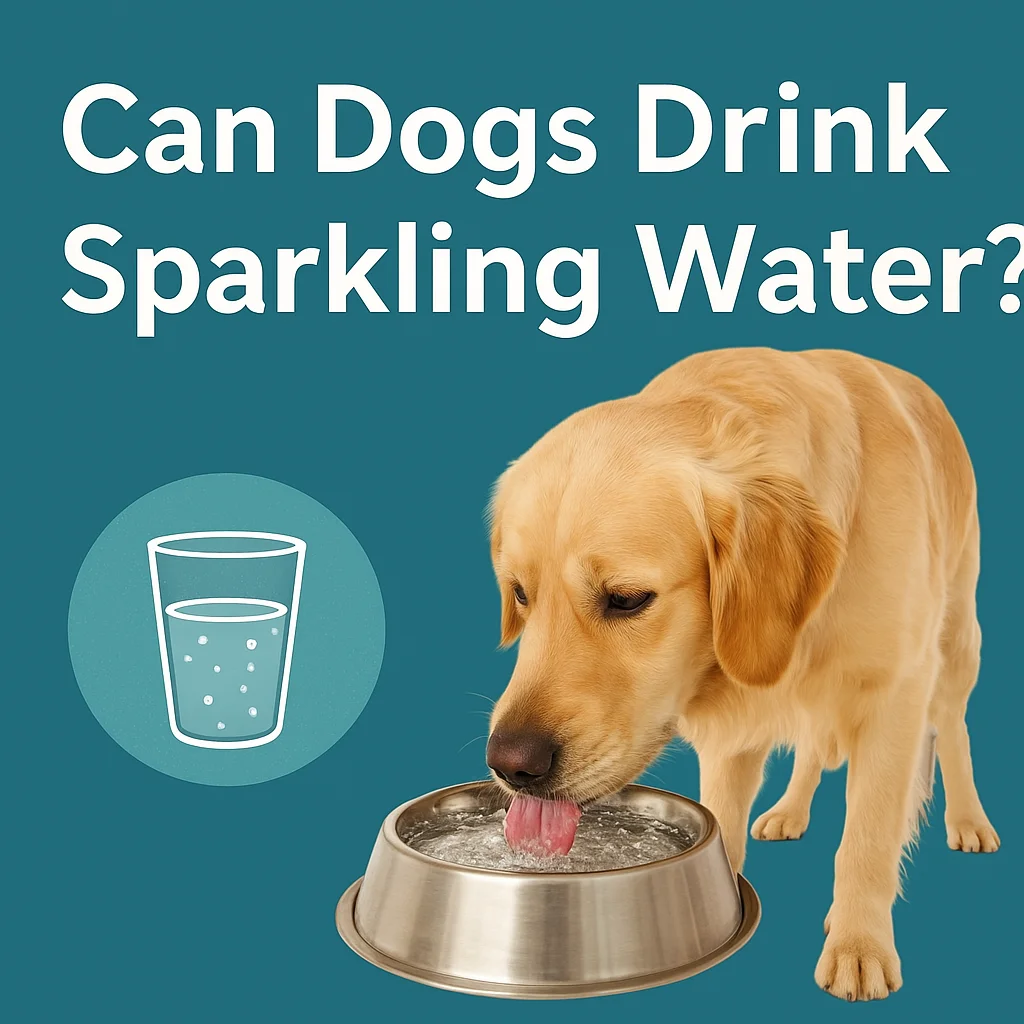
As a caring pet owner, you might find yourself wondering: Can dogs drink sparkling water? That fizzy drink you enjoy might look tempting to your pup. However, while a few sips probably won’t be fatal, there are several risks, caveats, and health considerations you should know about before letting your furry friend taste.
In this detailed guide, we’ll explore whether sparkling water is safe for dogs, what the potential dangers are, how to offer it (if at all), and what to do if your dog accidentally laps up some of your bubbly drink. By the end, you’ll have a clear, vet‑style picture — grounded in science, expert advice, and real-world examples — so you can make the best decision for your dog’s hydration and well-being.
What Exactly Is Sparkling Water — And Why Bother with It?
First, let’s break down what sparkling water actually is. Essentially, it’s plain water that has been carbonated — that is, infused with carbon dioxide (CO₂) gas under pressure. These gas bubbles are what give sparkling water its characteristic fizz and effervescence.
To humans, that fizz is typically refreshing and harmless. Yet, when dogs ingest it, things may not be so straightforward. Unlike humans, dogs are less adapted to handling carbonated beverages. The gas doesn’t always exit their system easily, and that can lead to discomfort or even more serious health issues. (caninejournal.com)
The Risks of Letting Dogs Drink Sparkling Water
Bloating and Gastric Distress
One of the biggest concerns is that the carbonation (CO₂) can build up in a dog’s stomach, causing gas that may lead to bloating. (caninejournal.com)
In mild cases, your dog may simply feel a bit uncomfortable, burp, or pass gas. But in more serious situations, gastric dilation might occur, which is when the stomach swells up due to trapped gas. (caninejournal.com)
Even more critically, in some dogs — especially large or deep-chested breeds — this could evolve into gastric dilatation-volvulus (GDV), a life-threatening condition where the stomach twists. (caninejournal.com)
Gastrointestinal Irritatio
Beyond gas and bloating, the carbonation may irritate the stomach lining, potentially causing mild digestive upset. (dialavet.com)
This is especially concerning for dogs that already have sensitive digestive systems or those with underlying gastrointestinal conditions. (nahf.org)
Acidity & Dental Effects
Sparkling water is slightly acidic, because of the carbonic acid formed when CO₂ dissolves in water. (caninejournal.com)
Over time, repeated exposure to this mild acidity could potentially wear down tooth enamel — not as aggressively as soda, but it’s still something to keep in mind if you were thinking of giving sparkling water frequently. (caninejournal.com)
Additives, Flavors, and Toxic Ingredients
Here’s where things can get even more problematic: many sparkling waters are not just plain water. Flavored varieties may contain artificial sweeteners like xylitol, which is highly toxic to dogs. (lovetoknowpets.com)
Some might also include sodium, preservatives, or other chemicals that are less than ideal for canine health.
Therefore, if you ever give your dog sparkle, plain unflavored sparkling water is the only “safe” candidate — and even then, only in moderation. (nahf.org)
Reduced Effective Hydration
Because of the bubbles, some dogs may drink less when offered sparkling water. The fizz can make them feel full—or uncomfortable—so they might not hydrate as well as they would with plain water. (doggobio.com)
Over-relying on sparkling water (or using it in place of still water) could inadvertently reduce your dog’s total fluid intake — a risk you definitely don’t want to take, especially in hot weather or after exercise.
Are There Any Benefits?
Yes — but they’re very limited.
- Novelty / Curiosity: Some dogs might simply enjoy the novelty of the bubbles. For a few curious sips, it might be a harmless “fun” treat — if done carefully and infrequently.
- Hydration (to a minor extent): At its core, sparkling water is still water. So, in theory, it can contribute to hydration — but it’s no replacement for a clean bowl of still water. (candogseatit.com)
However, any potential “benefit” is greatly outweighed by the possible downsides, particularly if offered regularly or in large quantities.
Best Practices: If You Decide to Let Your Dog Try Sparkling Water
If, after all the risks, you still want to let your dog try a little, here are some vet‑recommended precautions:
- Go Plain, Always
Choose only plain, unflavored sparkling water — no sweeteners, no fruit extracts, nothing added. (caninejournal.com) - Limit the Amount
Just a few sips (not more) — give your dog a very small portion. (nahf.org) - Introduce Slowly
Let them taste in a calm, controlled way. Don’t force it. Some dogs may not like the sensation of the fizz. (caninejournal.com) - Watch for Signs of Discomfort
After offering, monitor for burping, gas, bloating, restlessness, or abdominal distension — signs of digestive upset. - Avoid Riskier Breeds
If you have a large, deep-chested breed (like a Great Dane) or any dog predisposed to GDV, it’s especially risky. (petshun.com) - Always Provide Still Water
Make sure they have access to clean, fresh still water before and after—sparkling water should never replace their regular water. (nahf.org) - Check the Label Every Time
Carbonated water brands change. Always read the ingredients to make sure no harmful additives have been introduced.
What to Do If Your Dog Accidentally Drinks Sparkling Water
Accidents happen — maybe your pup laps up some bubbles when you’re not watching. If that happens:
- Stay Calm
A few sips typically don’t cause permanent harm. (dialavet.com) - Offer Fresh Water
Immediately offer a bowl of plain water so they can flush out the gas. - Observe Closely
Watch for burping, excessive gas, bloating, or any sign of distress. (dialavet.com) - Call Your Vet If Something Feels Off
If you notice persistent bloating, severe discomfort, or signs of GDV (restlessness, panting, distended belly), don’t wait — consult your veterinarian right away. (caninejournal.com) - Bring the Bottle / Packaging
If possible, take the bottle (or its label) to the vet. That way, they can check exactly what was in the water (flavors, sodium, sweeteners).
Final Thoughts
So, can dogs drink sparkling water? The answer is: yes — but cautiously, and very sparingly. While a few sips of plain, unflavored sparkling water probably aren’t going to harm most dogs, there are real risks: gas, bloating, digestive discomfort, and — in rare but serious cases — the potential for GDV.
At PetDogHabits.com, we believe in putting your dog’s long-term health first. If you do let them try a little fizziness, always do so under controlled conditions, and keep regular, still water as their primary source of hydration.
For more dog-safe diet tips, check out other helpful guides on our site, like Can Dogs Eat Jelly? — A Vet‑Style Guide for Pet Owners and Can Dogs Eat Papaya? A Complete Guide.
What do you think?
Related Articles

What Vegetables Can Dogs Eat? Safe and Unsafe Vegetables
Many vegetables are safe and healthy for dogs, but some can be dangerous. Learn what vegetables dogs can eat, what they can eat daily, and
Can Dogs Eat Anchovies? Benefits, Risks, and Safe Guide
Can dogs eat anchovies safely? Discover the benefits, risks, and proper way to feed anchovies to dogs. Learn how these small fish can support your

Can Dogs Eat White Chocolate? A Complete Safety Guide
Can dogs eat white chocolate or is it dangerous? Discover the risks, symptoms of chocolate poisoning, and what to do if your dog eats white