Can Dogs Eat Anchovies? Benefits, Risks, and Safe Guide
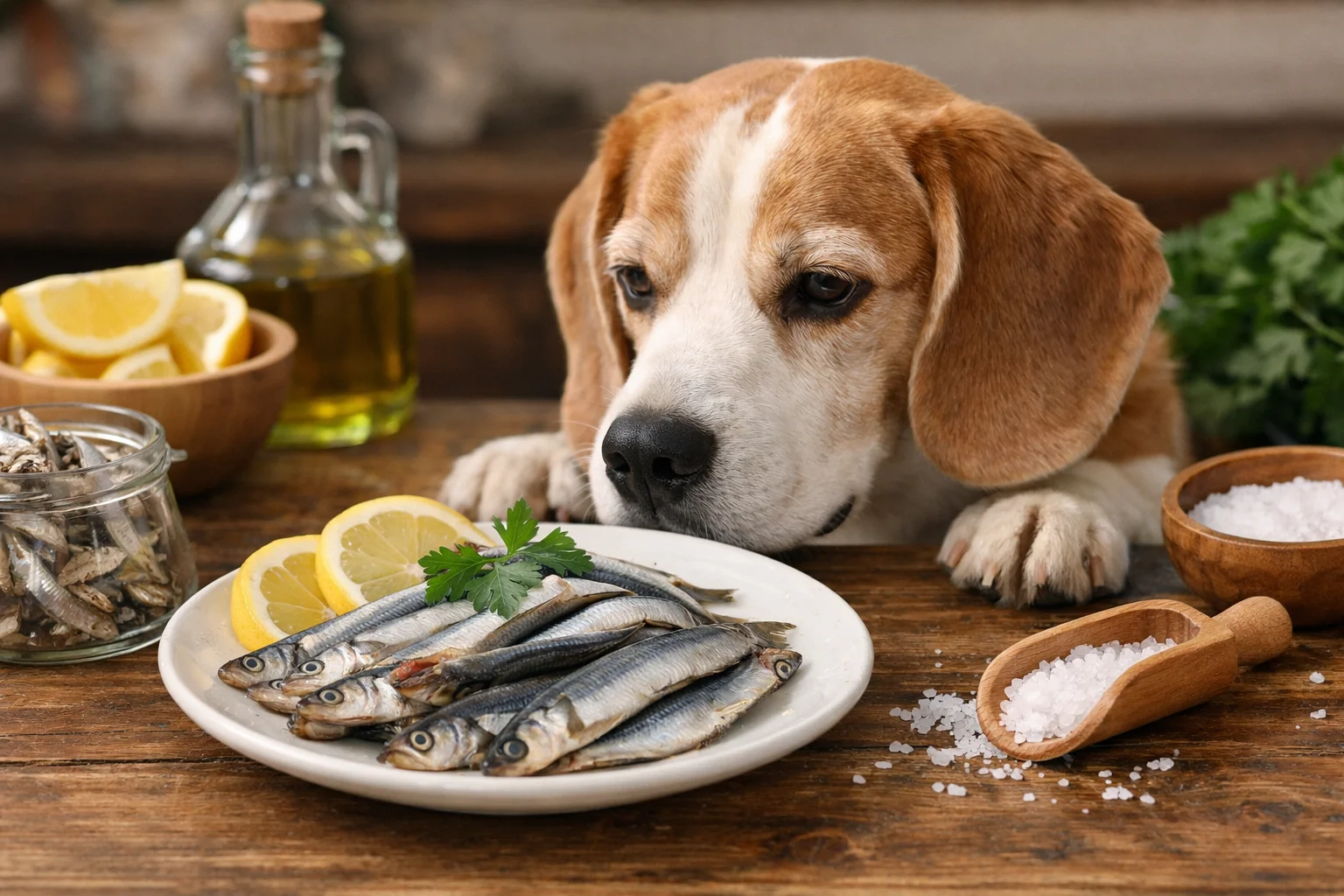
Many dog owners love sharing healthy foods with their pets. However, when it comes to seafood, people often feel unsure about what is safe. One common question that appears among pet parents is: Can dogs eat anchovies?
Anchovies are small saltwater fish packed with nutrients. Humans enjoy them in salads, pizzas, and sauces. But does that mean they are safe for dogs as well?
The short answer is yes, dogs can eat anchovies, but only in moderation and when prepared properly. These tiny fish can actually offer several health benefits for dogs. At the same time, certain anchovy products may cause issues due to excess salt or added ingredients.
In this complete guide, we will explore whether dogs can eat anchovies safely, their health benefits, possible risks, and the correct way to feed them to your dog.
Can Dogs Eat Anchovies Safely?
Yes, dogs can eat anchovies when they are fresh, unsalted, and served in small amounts. In fact, anchovies contain many nutrients that support a dog’s overall health.
These small fish are rich in:
- Omega-3 fatty acids
- High-quality protein
- Calcium
- Iron
- Selenium
- Vitamin B3 and B12
Because of these nutrients, anchovies can become a healthy occasional treat for dogs. Many natural dog foods even include anchovies or anchovy oil as ingredients.
However, preparation matters a lot. Anchovies preserved in salt or oil should be avoided because they contain ingredients that may harm dogs.
Therefore, while the answer to the question “Can dogs eat anchovies?” is generally yes, responsible feeding remains essential.
Nutritional Benefits of Anchovies for Dogs
Anchovies are often considered a nutritional powerhouse despite their small size. When fed properly, they can support several aspects of your dog’s health.
1. Rich Source of Omega-3 Fatty Acids
Omega-3 fatty acids play a major role in canine health. Anchovies naturally contain high levels of EPA and DHA, which are important forms of omega-3.
These fatty acids help:
- Reduce inflammation
- Improve skin and coat health
- Support joint function
- Promote heart health
- Enhance brain function
As a result, dogs that consume small amounts of anchovies may develop shinier coats and healthier skin.
2. Excellent Source of Lean Protein
Protein is essential for dogs because it supports muscle growth, tissue repair, and energy production.
Anchovies provide high-quality protein without excessive fat. Therefore, they can be a good protein snack for active dogs.
Additionally, because anchovies are small fish, they contain less accumulated toxins compared to larger fish like tuna.
3. Supports Bone Strength
Anchovies also contain calcium and phosphorus, which support strong bones and teeth in dogs.
When dogs consume anchovies with their soft edible bones, they receive natural minerals that contribute to skeletal health.
For puppies and senior dogs alike, these nutrients can help maintain bone strength.
4. Boosts the Immune System
Anchovies include selenium and essential vitamins that support immune function.
These nutrients help the body fight infections and maintain overall wellness. Consequently, adding small amounts of anchovies to a balanced diet may support your dog’s immune system.
Potential Risks of Feeding Anchovies to Dogs
Although anchovies can offer benefits, they are not completely risk-free. Pet owners should understand the possible problems before feeding them regularly.
1. High Salt Content
One of the biggest concerns is excess salt.
Most store-bought anchovies come packed in salt or brine. Too much sodium can lead to:
- Dehydration
- Excessive thirst
- Vomiting
- Sodium poisoning in severe cases
Because of this risk, salted anchovies should never be given to dogs.
2. Oil-Packed Anchovies
Many canned anchovies are preserved in oils such as olive oil or sunflower oil.
While small amounts of healthy oils may not harm dogs, excess fat can cause digestive upset.
In some cases, high-fat foods may contribute to:
- Diarrhea
- Stomach discomfort
- Pancreatitis in sensitive dogs
Therefore, plain fresh anchovies are always the safer choice.
3. Seasonings and Additives
Some anchovy products contain garlic, spices, or artificial preservatives.
Certain ingredients, especially garlic and onion, are toxic to dogs. Even small amounts may damage red blood cells.
For that reason, pet owners should avoid flavored anchovy products.
4. Overfeeding
Even healthy foods can cause problems when given excessively.
Too many anchovies may lead to:
- Weight gain
- Digestive upset
- Nutritional imbalance
Thus, anchovies should always remain an occasional treat rather than a daily meal.
Best Types of Anchovies for Dogs
When deciding whether dogs can eat anchovies, the type of anchovy makes a big difference.
Here are the safest options.
Fresh Anchovies
Fresh anchovies are the best option because they contain no added salt or preservatives.
You can lightly cook them before feeding them to your dog.
Frozen Anchovies
Frozen anchovies are also safe as long as they contain no added ingredients.
Simply thaw and cook them before serving.
Anchovies Packed in Water
Some canned anchovies are preserved in water rather than oil or salt. These may be acceptable if they contain very low sodium.
However, always check the label carefully.
Anchovy Products Dogs Should Avoid
While discussing whether dogs can eat anchovies, it is equally important to know which types should be avoided.
Do not feed your dog:
- Salted anchovies
- Anchovies in heavy oil
- Anchovy paste
- Anchovy pizza toppings
- Anchovies with garlic or spices
These products contain ingredients that may harm your dog’s health.
How to Safely Feed Anchovies to Dogs
If you decide to offer anchovies to your dog, proper preparation is important.
Follow these simple steps to keep your dog safe.
Step 1: Choose Plain Anchovies
Always select fresh or frozen anchovies without salt or additives.
Step 2: Cook Them Lightly
Although dogs can eat raw fish in some cases, cooking reduces the risk of parasites.
You can:
- Steam them
- Boil them
- Lightly bake them
Avoid frying or adding seasoning.
Step 3: Serve Small Portions
Because anchovies are nutrient-dense, small portions work best.
For example:
- Small dogs: 1 anchovy
- Medium dogs: 2 anchovies
- Large dogs: 2–3 anchovies
Offer them only once or twice per week.
Step 4: Observe Your Dog
Whenever introducing new food, monitor your dog for reactions.
Watch for symptoms such as:
- Vomiting
- Diarrhea
- Itching
- Lethargy
If any unusual signs appear, stop feeding anchovies and consult a veterinarian.
Are Anchovies Better Than Other Fish for Dogs?
Many pet owners ask whether anchovies are healthier than larger fish.
In many cases, the answer is yes.
Large fish like tuna, swordfish, and king mackerel accumulate higher mercury levels during their long lifespan.
Anchovies, on the other hand, are small and short-lived, so they contain lower mercury levels.
Because of this, anchovies are often considered one of the safest fish choices for dogs.
Can Puppies Eat Anchovies?
Yes, puppies can eat anchovies in very small amounts.
However, their digestive systems are still developing. Therefore, pet owners should introduce new foods slowly.
Start with a tiny piece of cooked anchovy and observe how your puppy responds.
If no digestive issues occur, anchovies can occasionally be used as a training reward or nutritious snack.
Still, puppies should receive most of their nutrition from balanced puppy food.
Signs Your Dog Ate Too Many Anchovies
If a dog consumes too many anchovies, certain symptoms may appear.
These include:
- Excessive thirst
- Vomiting
- Diarrhea
- Stomach discomfort
- Lethargy
In severe cases involving salty anchovies, sodium poisoning may occur.
Symptoms of sodium poisoning include:
- Tremors
- Confusion
- Seizures
If these signs appear, seek veterinary help immediately.
Healthier Ways to Use Anchovies for Dogs
Anchovies can be used creatively as a healthy treat.
Here are a few safe ideas.
Anchovy Dog Treats
Blend cooked anchovies with dog-safe ingredients such as:
- Oats
- Pumpkin puree
- Egg
Bake small treats for a nutritious snack.
Anchovy Meal Topper
You can mash one anchovy and mix it with your dog’s regular food.
This method adds flavor and nutrients while keeping the portion controlled.
Frozen Anchovy Treats
Blend anchovies with water and freeze them in small molds.
These frozen bites work great during hot weather.
Frequently Asked Questions
Can dogs eat raw anchovies?
Dogs can eat raw anchovies in some cases, but cooking them slightly reduces the risk of parasites. Therefore, cooked anchovies are usually safer.
Can dogs eat dried anchovies?
Dried anchovies may contain high salt levels. Only unsalted dried anchovies should be considered, and even then, they should be given sparingly.
Can dogs eat anchovy oil?
Yes, anchovy oil can provide omega-3 fatty acids. However, it should only be given in veterinarian-recommended amounts.
How often can dogs eat anchovies?
Most dogs can safely eat anchovies once or twice per week in small portions.
Final Thoughts
So, can dogs eat anchovies? The answer is yes—when served properly and in moderation.
Anchovies offer several health benefits for dogs. They provide omega-3 fatty acids, lean protein, and essential minerals that support skin health, joints, bones, and the immune system.
However, not all anchovy products are safe. Salted, seasoned, or oil-packed anchovies may cause digestive issues or sodium overload. For that reason, pet owners should always choose plain, fresh, or lightly cooked anchovies.
By serving small portions and avoiding harmful additives, anchovies can become a nutritious and enjoyable treat for your dog.
As with any new food, moderation and observation are key. When fed responsibly, these tiny fish can become a healthy addition to your dog’s occasional snack rotation.
What do you think?
Related Articles

What Vegetables Can Dogs Eat? Safe and Unsafe Vegetables
Many vegetables are safe and healthy for dogs, but some can be dangerous. Learn what vegetables dogs can eat, what they can eat daily, and

Can Dogs Eat White Chocolate? A Complete Safety Guide
Can dogs eat white chocolate or is it dangerous? Discover the risks, symptoms of chocolate poisoning, and what to do if your dog eats white
Can Dogs Eat Tofu? A Complete Guide for Pet Owners
Wondering if dogs can eat tofu? Discover whether tofu is safe for dogs, its health benefits, potential risks, and the safest way to serve it