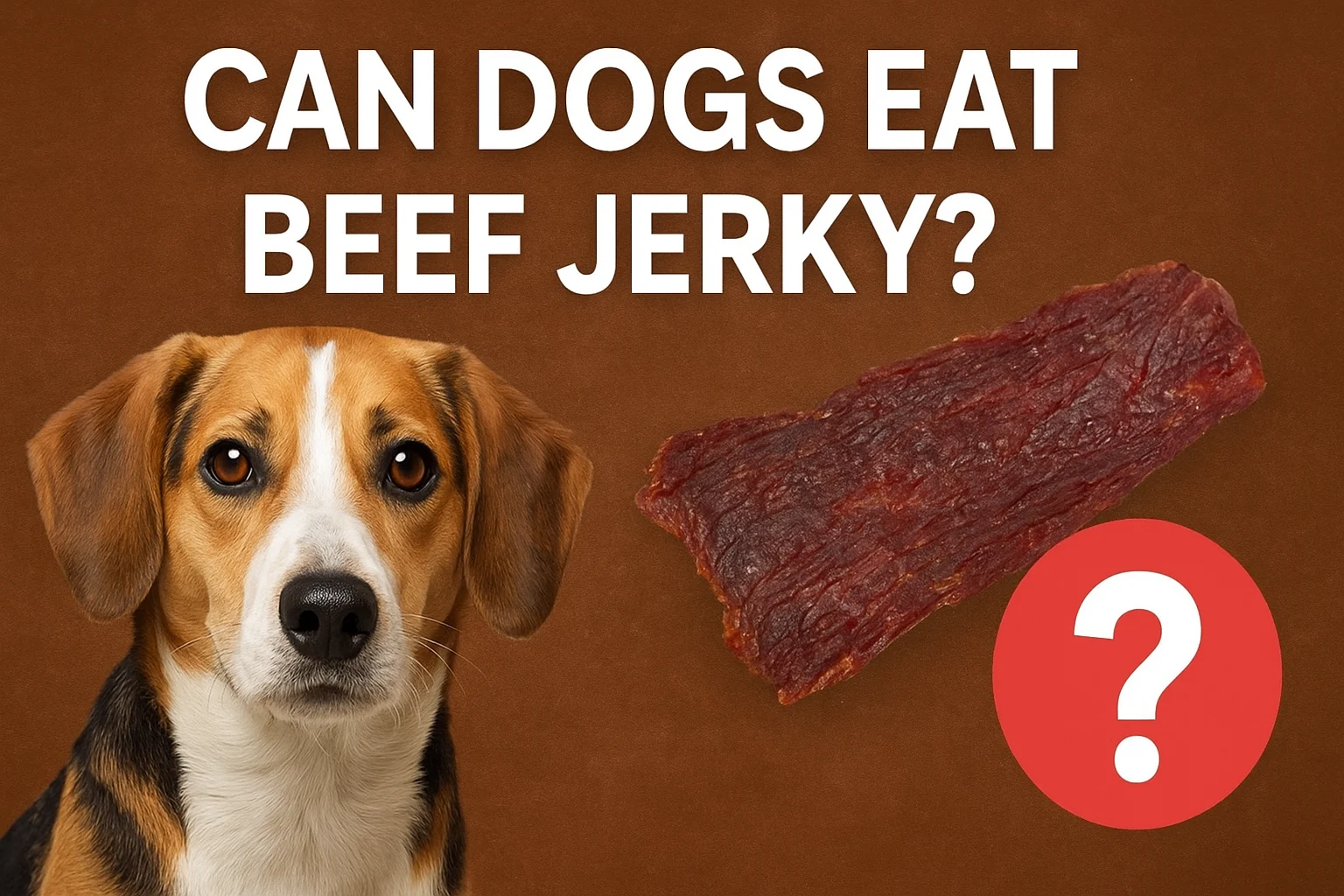
Sharing snacks with your furry friend is a natural impulse. Dogs love treats, especially meaty ones like beef jerky. But can dogs safely enjoy this popular snack? While it may seem harmless, feeding beef jerky to dogs requires careful consideration. In this comprehensive guide, we will delve into everything from risks to safe alternatives, homemade options, and nutritional advice.
What is Beef Jerky and Why Dogs Love It
Beef jerky is a dried, high-protein snack made from lean beef strips. Its chewy texture and savory flavor make it irresistible not just for humans, but also for dogs.
Dogs are naturally carnivorous, and their taste buds respond strongly to protein-rich foods. This is why many dog owners consider sharing jerky as an occasional treat. However, commercial beef jerky is often designed for humans, not dogs. Therefore, it may contain ingredients that are harmful or unnecessary for canine health.
Risks of Feeding Dogs Human-Grade Beef Jerky
Not all beef jerky is created equal. While plain, unseasoned jerky might not harm your dog, most store-bought versions have additives that can be dangerous. Here’s what you should watch out for:
1. High Sodium Content
Excessive salt is a common issue in human snacks, including beef jerky. Dogs exposed to too much sodium can experience dehydration, kidney strain, or even high blood pressure over time.
2. Seasonings and Flavors
Ingredients such as garlic, onion, and certain spices are toxic to dogs. Even small amounts can cause gastrointestinal upset or more severe health issues like anemia.
3. Preservatives and Additives
Many commercial jerky products contain preservatives to extend shelf life. Some of these chemicals may irritate your dog’s digestive system or lead to long-term health problems.
4. Choking Hazard
Jerky can be tough and chewy. Small dogs or older dogs with dental issues may struggle to chew properly, leading to choking or blocked airways.
Safe Alternatives: Dog-Friendly Beef Jerky Treats
Luckily, there are many dog-specific jerky treats available on the market. These are designed to be safe and nutritious for your furry companions.
- Low Sodium Options: These treats ensure your dog doesn’t get excess salt.
- No Toxic Ingredients: Free from garlic, onion, or harmful spices.
- Balanced Nutrition: Designed to supplement a dog’s diet, not replace it.
Recommended Resource: Mountain America Jerky: Beef Jerky for Dogs: The Do’s and Don’ts
This guide explains exactly what to look for in dog-safe jerky and what to avoid.
Homemade Beef Jerky for Dogs
Making beef jerky at home is one of the safest ways to treat your dog. You control every ingredient, ensuring it’s free of harmful additives.

Steps to Make Dog-Safe Jerky at Home:
- Choose Lean Cuts: Select lean beef to reduce fat content.
- Trim Fat: Fat does not dehydrate well and may spoil.
- Avoid Seasonings: No salt, garlic, onion, or spices.
- Slice Thinly: Helps your dog chew it easily.
- Proper Dehydration: Use a dehydrator or oven at a low temperature to remove moisture without cooking.
Homemade jerky can last several weeks if stored properly. It’s also a great bonding activity between you and your dog.
Moderation: How Much Beef Jerky Can Dogs Eat?
Even when using dog-safe jerky, moderation is crucial. Treats should never exceed 10% of a dog’s daily caloric intake. Overfeeding can lead to obesity, digestive issues, and nutrient imbalances.
Tips for Moderation:
- Offer small pieces instead of whole strips.
- Use jerky as a reward during training rather than a regular snack.
- Rotate with other healthy treats to provide variety.
Signs Your Dog Should Avoid Beef Jerky
Some dogs may be more sensitive than others. Watch for these symptoms after feeding jerky:
- Vomiting or diarrhea
- Excessive thirst or urination (Learn more about water needs here)
- Lethargy or unusual fatigue
- Loss of appetite
If any of these signs appear, stop feeding jerky and consult your veterinarian immediately.
Nutritional Considerations
While jerky is high in protein, it should not replace balanced dog food. Dogs require a diet with proper ratios of protein, fats, carbohydrates, vitamins, and minerals.
- Protein: Jerky can supplement daily protein, but should not be the main source.
- Fat: Too much fat can lead to pancreatitis, especially in small breeds.
- Sodium: Low-sodium options are best to prevent health risks.
Expert Resource: Cadet Pet: Can Dogs Eat Beef Jerky?
This article provides more insight into nutritional considerations for dogs eating beef jerky.
Tips for Giving Beef Jerky to Dogs Safely
- Check Ingredients: Always read the label before offering any commercial jerky.
- Size Matters: Cut jerky into small, manageable pieces.
- Avoid Feeding Daily: Make it an occasional treat.
- Store Properly: Keep in a cool, dry place to prevent mold or spoilage.
- Monitor Health: Observe your dog for any digestive issues.
Fun Alternatives to Beef Jerky
If you’re hesitant about beef jerky, there are plenty of safe alternatives:
- Freeze-Dried Meat Treats: Nutritious and easy to digest.
- Dehydrated Chicken or Turkey: Less sodium and fat than beef.
- Vegetable-Based Treats: For dogs with sensitive stomachs.
Additional Reading: MasterClass: Can Dogs Eat Beef Jerky?
MasterClass explains alternatives and detailed safety tips for your furry friend.
Internal Resources on Dog Health
For related topics on dog care, hydration, and illnesses, check out these internal resources:
These articles provide important information to keep your dog healthy while enjoying treats like beef jerky safely.
Conclusion: Can Dogs Eat Beef Jerky?
Yes, dogs can eat beef jerky, but only under strict guidelines. Prioritize dog-specific jerky, homemade treats, and moderation. Always monitor your dog’s reaction and consult a veterinarian if you notice any symptoms of discomfort.
A healthy treat routine combined with a balanced diet ensures your furry friend stays happy, safe, and energetic. By following the tips in this guide, you can confidently treat your dog to the occasional piece of jerky without compromising their health.

What Vegetables Can Dogs Eat? Safe and Unsafe Vegetables
Many vegetables are safe and healthy for dogs, but some can be dangerous. Learn what vegetables dogs can eat, what they can eat daily, and

Can Dogs Eat Anchovies? Benefits, Risks, and Safe Guide
Can dogs eat anchovies safely? Discover the benefits, risks, and proper way to feed anchovies to dogs. Learn how these small fish can support your

Can Dogs Eat White Chocolate? A Complete Safety Guide
Can dogs eat white chocolate or is it dangerous? Discover the risks, symptoms of chocolate poisoning, and what to do if your dog eats white