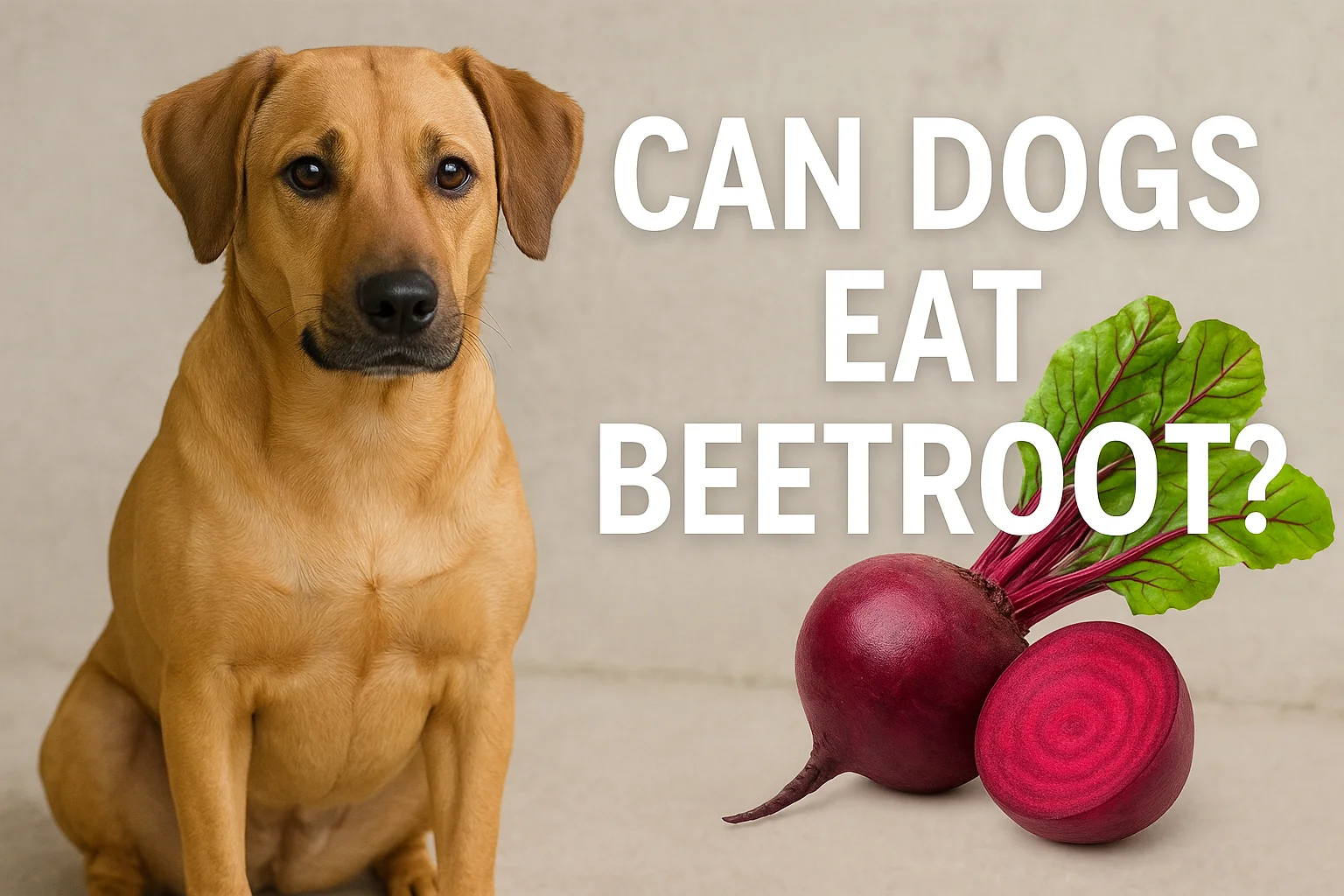
If you’re a devoted pet owner, you might often wonder, Can dogs eat beetroot? This vibrant red vegetable is packed with nutrients for humans, but when it comes to our canine companions, we need to be careful. While beetroot can provide some health benefits for dogs, improper feeding may lead to digestive issues or other complications. In this guide, we’ll explore everything you need to know about feeding beetroot to your dog safely.
Nutritional benefits of beetroot for dogs
Beetroot is well-known for its nutritional profile. Some of these nutrients can be beneficial to dogs when served appropriately.
Vitamins and minerals: Beetroot contains vitamin C, folate, potassium, magnesium, and iron. These nutrients can support overall health when given in moderation.
Antioxidants: The red pigment in beetroot, known as betalains, acts as an antioxidant. Antioxidants help reduce oxidative stress and support a dog’s immune system. (akc.org)
Digestive support: Dietary fiber in beetroot may improve digestion and promote regular bowel movements. Fiber can also help manage weight by increasing the feeling of fullness.
When incorporated correctly into a dog’s diet, beetroot may enhance their nutrient intake and provide variety to meals.
Potential risks of feeding beetroot to dogs
Even though beetroot offers benefits, there are some risks to be aware of:
Oxalates and urinary issues
Beetroot contains oxalates, which in high amounts can contribute to urinary or kidney stones. Dogs prone to kidney problems should avoid excessive beetroot consumption.
Sugar content and weight concerns
Beetroot has natural sugars, which can be problematic for overweight or diabetic dogs. Feeding large quantities may increase the risk of obesity or blood sugar spikes.
Gastrointestinal upset
Sudden introduction of beetroot can cause gas, bloating, or diarrhea in sensitive dogs. Always start with small portions and monitor your dog’s reaction.
Discoloration of urine and stool
Beetroot may turn your dog’s urine or stool pinkish or reddish. This is generally harmless, but persistent discoloration should be discussed with a veterinarian. (poochandmutt.co.uk)
Unsafe preparations
Pickled or seasoned beets may contain salt, vinegar, or spices that are harmful.
Beet juice or supplements often contain high sugar concentrations.
Beet greens and stems are high in oxalates and should generally be avoided unless prepared safely.
How to prepare beetroot for your dog
To minimize risks, proper preparation is key. Here’s how to safely offer beetroot:
Choose fresh beets — ideally organic.
Wash and peel thoroughly — remove dirt, skin, and greens.
Cook or finely grate — boiling, steaming, or roasting is ideal. Raw beetroot can be given if finely grated.
Serve small portions — treats, not meals.
Avoid seasonings or additives — plain is safest.
Cooking beetroot softens its fibers, making it easier for dogs to digest while reducing the risk of gastrointestinal upset.
Serving size guidelines
Moderation is essential. The following are general recommendations based on dog size:
Dog size
Portion of plain beetroot per serving
Extra-small (up to 10 lb)
1–2 tsp
Small (10–25 lb)
2–4 tsp
Medium (25–50 lb)
1–2 tbsp
Large (50–90 lb)
2–4 tbsp
Extra-large (>90 lb)
4–5 tbsp
Introduce beetroot gradually and monitor your dog’s reaction. Occasional treats are ideal — no more than 10% of total daily calories. (petdoghabits.com)
Situations when beetroot should be avoided
Dogs with urinary or kidney issues due to oxalates.
Dogs are prone to diabetes or obesity.
Dogs with sensitive digestive systems.
Dogs given pickled, canned, or seasoned beets.
Consult a veterinarian if unsure about feeding beetroot to your pet.
Alternative vegetables for dogs
If beetroot seems risky, several vegetables provide similar benefits safely:
Carrots — high in fiber and vitamins.
Pumpkin — supports digestion and gut health.
Sweet potatoes — easy to digest and nutritious.
Green beans — a low-calorie snack.
Cucumbers — hydrating and light.
Rotating vegetables adds variety to your dog’s diet while providing essential nutrients without the risks associated with beetroot.
Preparing beetroot in dog-friendly recipes
Beetroot can be added to homemade dog treats or mixed into meals. Try these methods:
Beetroot and carrot mash — cook and blend both veggies for a tasty treat.
Beetroot cubes — roast and serve as a crunchy snack.
Veggie mix for kibble — add small amounts of cooked beetroot to regular dog food.
Always ensure treats are free from additives, sugar, or harmful spices.
Key takeaways: Can dogs eat beetroot?
Yes — but only in moderation and with proper preparation. Beetroot provides fiber, vitamins, minerals, and antioxidants, but overfeeding or improper use can cause health issues. Remember:
Serve plain, cooked, or finely grated.
Limit quantity according to your dog’s size.
Avoid beet greens, pickled, or seasoned forms.
Monitor for digestive changes or urine discoloration.
By following these guidelines, beetroot can be a healthy occasional treat for your dog. Variety and moderation are crucial, and always prioritize your dog’s individual health needs.


[…] If any of these symptoms occur, stop feeding cabbage immediately and consult your veterinarian. […]