
Introduction
Can dogs eat cat food? This is a question many pet owners, including myself, have asked after catching their dog sneaking into the cat’s bowl. At first, it might seem harmless—after all, food is food, right? However, the truth is more complex. While a bite of cat food here and there usually isn’t dangerous, making it a regular part of your dog’s diet can lead to serious health problems. In this guide, I’ll share not only what the experts say, but also insights from real pet-owner experiences, so you’ll have a clear understanding of when cat food is a minor concern and when it’s a major red flag.
What Makes Cat Food Different from Dog Food?
At first glance, cat and dog food may look similar, especially in kibble form. Yet, their nutritional compositions are worlds apart. Cats are obligate carnivores, meaning they require diets rich in protein and essential fatty acids. Dogs, on the other hand, are omnivores. While they benefit from protein, they also need carbohydrates, fiber, and a wider range of vitamins and minerals.
- Protein levels: Cat food often contains much higher protein content, which is great for cats but can overload a dog’s system.
- Fat content: Cat food tends to be higher in fat, which may make it more appealing to dogs but can lead to obesity and pancreatitis.
- Essential nutrients: Cat food is formulated with taurine and arachidonic acid, both critical for cats but unnecessary in high amounts for dogs.
- Carbohydrates & fiber: Dog food includes carbs and fiber to aid digestion, something cat food lacks.
Even veterinary experts at PetMD highlight these major differences, stressing why dogs shouldn’t regularly eat cat food.
Is It Safe for Dogs to Eat Cat Food Occasionally?
From personal experience, I remember when my Labrador, Max, sneaked a mouthful of the cat’s kibble. At first, I panicked. But after talking to my vet, I realized an occasional bite usually isn’t harmful. Many dogs do this simply because cat food smells stronger and tastes richer.
However, the key is frequency. A one-time snack is usually safe. The trouble starts when it becomes a habit. According to the AKC, the high fat and protein levels in cat food can cause digestive upset in the short term and much more serious health problems in the long run.
Short-Term Effects: What Happens If a Dog Eats Cat Food Once?
If your dog gets into the cat’s food bowl once or twice, you might notice:
- Mild stomach upset (vomiting or diarrhea)
- Gas or bloating
- Increased thirst due to salt content
Most of the time, these symptoms pass within a day. However, if your dog seems lethargic, refuses water, or vomits repeatedly, call your veterinarian right away.
Long-Term Risks of Feeding Cat Food to Dogs
The bigger danger comes when cat food becomes a consistent part of your dog’s diet. Over time, problems may include:
- Obesity: Extra fat and calories lead to rapid weight gain.
- Pancreatitis: High-fat diets put stress on the pancreas.
- Kidney strain: Excess protein can harm kidneys, especially in older dogs.
- Nutritional imbalance: Lack of fiber and specific dog-only nutrients.
- Behavioral issues: Dogs may start refusing their own food because cat food is richer in taste.
This is why brands like Taste of the Wild strongly advise against feeding cat food regularly to dogs.
Puppies, Seniors, and Special Cases
Not all dogs react the same way. Age and health play a huge role:
- Puppies: Their growing bodies need balanced nutrients, and cat food can overload their digestive system.
- Seniors: Older dogs are more prone to kidney disease, making the protein excess in cat food dangerous.
- Dogs with conditions: Pets with diabetes, pancreatitis, or liver issues should never eat cat food.

What to Do If Your Dog Eats Cat Food Regularly
If your dog has been eating cat food consistently, don’t panic. Instead, take these steps:
- Transition gradually: Mix dog food back into their meals and reduce cat food access.
- Monitor their health: Look for changes in weight, coat condition, or energy levels.
- Consult your vet: They may recommend blood work to check for kidney or liver strain.
- Offer alternatives: Choose a high-protein dog food if your pup craves the taste of cat food.
For more on safe diet alternatives, check out our guide on Can Dogs Eat Cherries—it explains the importance of choosing snacks wisely.
How to Prevent Your Dog From Eating Cat Food
Keeping your dog out of the cat’s bowl can feel like a never-ending battle. Here are practical solutions that worked for me:
- Separate feeding areas: Feed cats on elevated surfaces or in gated rooms.
- Scheduled feeding: Remove uneaten cat food after 15–20 minutes.
- Use pet barriers: Baby gates or feeding stations designed for cats only.
- Training commands: Teach “leave it” or “stay” to reduce food stealing.
Frequently Asked Questions
It’s rare, but severe conditions like pancreatitis can be life-threatening if cat food is fed regularly.
No, puppies need balanced nutrients for growth, which cat food does not provide.
Wet cat food may be even riskier due to higher fat and protein levels. Occasional licks are fine, but avoid regular feeding.
Transition slowly to a high-quality dog food. If they refuse, consult your vet for guidance.
For instance, our article on can dogs have milk explains how preference doesn’t always mean suitability.
Conclusion
So, can dogs eat cat food? The simple answer is occasionally, yes—but regularly, no. While a quick snack usually won’t harm your dog, cat food is not designed for long-term canine health. Over time, it can lead to obesity, pancreatitis, and organ strain.
The best approach is prevention—separating food bowls, using training strategies, and offering high-quality dog food alternatives. If you’re ever in doubt, talk to your veterinarian. Remember, a healthy diet today can prevent costly vet visits tomorrow.

What Vegetables Can Dogs Eat? Safe and Unsafe Vegetables
Many vegetables are safe and healthy for dogs, but some can be dangerous. Learn what vegetables dogs can eat, what they can eat daily, and
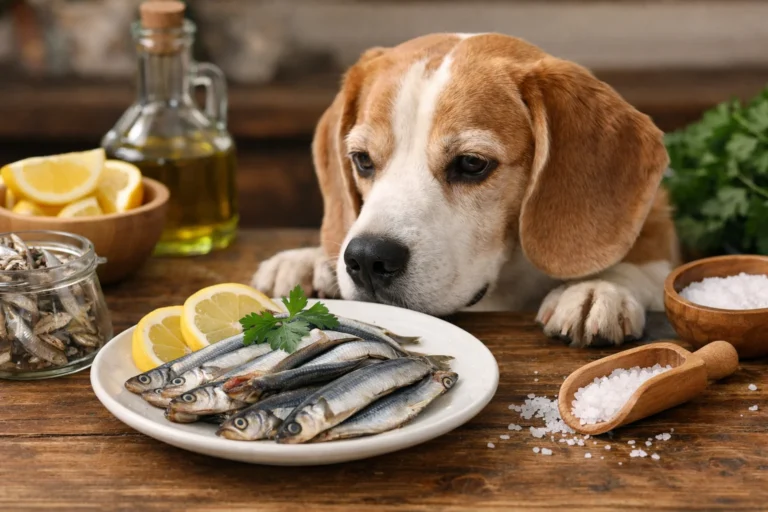
Can Dogs Eat Anchovies? Benefits, Risks, and Safe Guide
Can dogs eat anchovies safely? Discover the benefits, risks, and proper way to feed anchovies to dogs. Learn how these small fish can support your

Can Dogs Eat White Chocolate? A Complete Safety Guide
Can dogs eat white chocolate or is it dangerous? Discover the risks, symptoms of chocolate poisoning, and what to do if your dog eats white