Can Dogs Eat Mayonnaise?
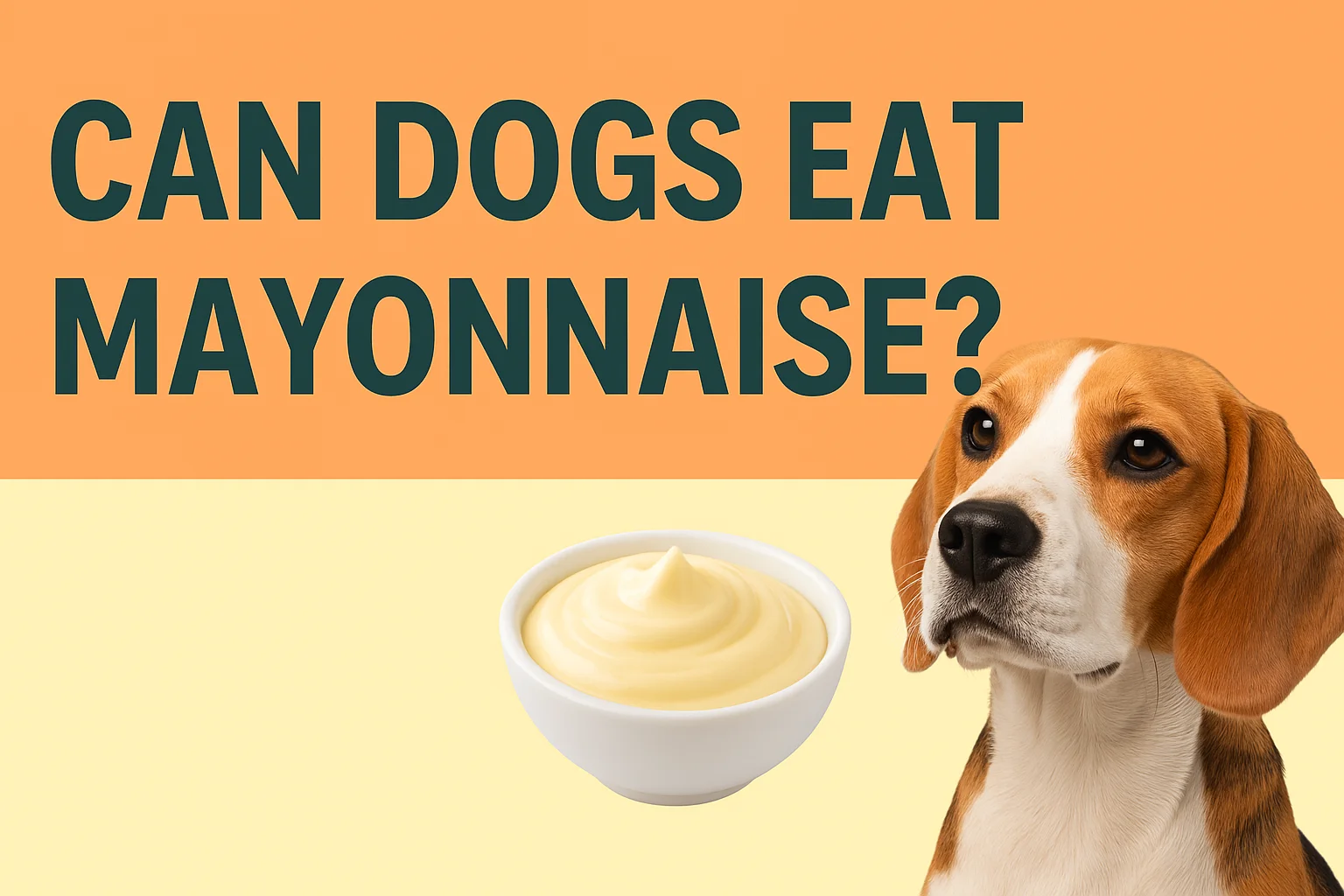
Mayonnaise is a staple condiment in many kitchens and often finds its way into sandwiches, burgers, and salads. However, as a devoted dog parent, you may wonder: Can dogs eat mayonnaise? In other words, is it safe to share that creamy spread with your pooch? This article examines the potential risks and occasional nuances of mayonnaise consumption in dogs. Ultimately, by the end of this guide, you will be better equipped to decide whether to allow mayo for your dog—and how to do so wisely.
What Is Mayonnaise — And What Does It Contain?
Mayonnaise is an emulsion made mainly of oil (often vegetable oil), egg yolks, and either vinegar or lemon juice for acidity and flavor. Occasionally, mustard or other seasonings may be added for extra taste. Because this combination includes no inherently toxic ingredients, mayonnaise in itself is not poisonous to dogs.
Nevertheless, the nutritional profile of mayonnaise must be taken into account. It tends to be very high in fat and calories, and sometimes contains salt or seasonings that are not ideal for regular canine consumption. As a result, even though mayonnaise does not contain toxins, it can still pose health challenges.
Why Some Dog Owners Consider Feeding Mayo
At times, pet owners are tempted to let their dogs lick a bit of mayonnaise. After all, many dogs are attracted to fatty, flavorful foods. Some reasons behind this temptation include:
- A desire to treat the dog with the same food the family is enjoying.
- Attempting to hide medicines or supplements inside a small amount of mayo to coax a reluctant dog to take them.
- Using mayo as a “treat” during special occasions or as a once-in-a-while reward.
While these intentions may come from love, it is essential to understand the potential consequences before giving your dog even a lick of mayo.
Can Dogs Eat Mayonnaise? — The Potential Risks
High Fat Content and Gastrointestinal Upset
Because mayonnaise is rich in fat, even a moderate amount may cause gastrointestinal distress in some dogs. Vomiting, diarrhea, or general digestive upset can occur after ingestion. Especially in small breeds or dogs with sensitive stomachs, even a small spoonful may trigger a negative reaction.
Moreover, repeated or regular consumption of high-fat foods such as mayonnaise can contribute to weight gain, which in turn may strain a dog’s joints and heart over time.
Risk of Pancreatitis
One of the most serious potential consequences of frequent or large amounts of mayo consumption is pancreatitis — inflammation of the pancreas. In many dogs, a sudden spike in fat intake can trigger this painful and sometimes dangerous condition. Dogs with a known history of pancreatic issues, or breeds predisposed to pancreatitis, are particularly at risk.
Therefore, though mayonnaise is not toxic, it is considered “unhealthy” for most dogs when fed in anything beyond a tiny amount.
Nutritional Value — or Lack Thereof
Mayonnaise offers virtually no beneficial nutrients for dogs. It does not supply the protein, vitamins, or minerals that a balanced canine diet requires. Instead, it supplies mostly empty calories from fat. Over time, frequent indulgence in such high-fat, low-nutrient foods may unbalance a dog’s diet and contribute to obesity or other health problems.
Occasional Exposure vs Regular Feeding — What Experts Say
Occasional Licks: Generally Low Risk
If your dog accidentally licks a bit of mayonnaise — for example, a smear left on your plate — it is unlikely to cause serious harm. Most healthy dogs tolerate small doses without significant problems. Often, nothing more than mild indigestion (or no reaction at all) will occur.
However, caution is still advised: if your dog is small, overweight, elderly, or has a history of digestive or pancreatic issues, even that small amount could pose risks.
Regular Exposure: Generally Not Recommended
Feeding mayo or mayonnaise-containing foods on a regular basis is generally discouraged. Regular indulgence in fatty human foods — beyond the occasional treat — may contribute to weight gain, digestive issues, or worse.
As a rule of thumb, treats and human food should make up no more than 10 % of a dog’s total daily caloric intake. If mayo or mayo-based foods are part of that 10 %, they should be used sparingly — and ideally, replaced with healthier alternatives.
How to Decide: Factors to Consider Before Giving Mayo
Before offering mayonnaise to your dog, it is sensible to weigh the following factors:
- Dog’s size and breed: Smaller dogs often suffer adverse effects even from small amounts of high-fat foods.
- Dog’s age and health status: Puppies, senior dogs, dogs with obesity, digestive sensitivities, or pancreatitis history are more vulnerable.
- Amount of mayo being offered: A lick or two is less risky than a tablespoon or more.
- Diet balance: If Mayo pushes the dog’s calorie or fat intake beyond recommended levels, it should be avoided.
- Frequency: Occasional treats are less risky than daily indulgences.
By considering these variables, you can make a more informed, cautious decision that emphasizes the long-term health of your pet.
Healthier Alternatives to Mayonnaise for Dogs
If you want to treat your dog or make their meals more appealing — but avoid the risks associated with mayonnaise — consider these safer, more nutritious options:
- Plain Greek Yogurt (full-fat or low-fat, depending on dog’s tolerance): Offers protein and probiotics, is creamy, and more digestible than mayo.
- Xylitol-free Peanut Butter (in small amounts): Gives healthy fat and is often loved by dogs; ensures no added sugars or artificial sweeteners.
- Low-Fat Cottage Cheese: Provides protein and calcium, with lower fat content than mayo.
- Mashed Pumpkin or Plain Cooked Vegetables (e.g., carrots, green beans): Adds fiber, vitamins, and moisture — often welcomed by dogs.
These alternatives can often serve as “toppers” for meals or small treats — without the unwarranted fat and caloric load of mayonnaise.
What to Do If Your Dog Ate Too Much Mayo
If your dog accidentally ate a large amount of mayonnaise — or dollops of mayo-based foods — it is wise to monitor them carefully. Watch for signs of distress such as:
- Vomiting
- Diarrhea
- Lethargy or weakness
- Abdominal discomfort or bloating
If any such symptoms appear — or if the portion consumed was significant relative to the dog’s size — contact a veterinarian promptly. Especially if your dog has shown previous sensitivity to fatty foods, medical advice should be sought.
Even if no symptoms arise, ensure that the dog’s next meals are light and well-balanced, and avoid further fatty treats for at least a day or two.
Guidelines for Safely Sharing Human Food (Including Mayo)
When humans and dogs share living space, the temptation to share food is real. To reduce risks, follow these general guidelines:
- Treats and human food should remain under 10% of the total diet. This helps to maintain balanced nutrition.
- Prioritize lean, lightly cooked, or dog-safe foods rather than rich, fatty condiments.
- Introduce new foods slowly and in small quantities — see how your dog reacts before offering more.
- Avoid seasoned, spicy, or heavily salted foods. Many dogs are sensitive to salt, spices, or strong flavors.
- Consult a veterinarian before making major dietary changes — especially if your dog has known health conditions.
By adopting these practices, occasional indulgences need not jeopardize long-term health.
Frequently Asked Questions (FAQs)
Is mayonnaise poisonous for dogs?
No, mayonnaise is not considered toxic to dogs because it lacks inherently poisonous ingredients. However, it is high in fat and generally not recommended as a regular part of a dog’s diet.
Can a small amount of mayo hurt my dog?
A small lick of mayo will likely not harm a healthy adult dog. Nonetheless, small breeds and dogs with sensitive stomachs may still experience digestive upset — so caution is advised.
What if my dog loves mayo and begs for more?
Even if your dog seems to enjoy it, frequent feeding should be avoided. There are healthier treats and food toppers that can give enjoyment without the fat overload.
What if my dog ate mayo and now seems unwell?
If vomiting, diarrhea, lethargy, or abdominal discomfort appear, contact a veterinarian — especially if a large amount was ingested.
Are there any acceptable substitutes for mayo when feeding dogs?
Yes. Plain Greek yogurt, unsweetened peanut butter (xylitol-free), low-fat cottage cheese, and certain mashed vegetables or pumpkin are better alternatives that offer nutrition and fewer health risks.
Final Verdict — Can Dogs Eat Mayonnaise?
In conclusion, yes, dogs can eat mayonnaise, in the sense that it is not poisonous. However, the question of whether they should eat mayonnaise must be answered with caution. Because of its high fat and calorie content, mayonnaise is generally a poor dietary choice for dogs — especially if given frequently or in large amounts.
If mayo is to be shared, it should be done only as a very occasional small treat, and only with dogs that are healthy and of sufficiently large size. Even then, healthier alternatives are often a wiser choice.
Ultimately, a dog’s long-term health and well-being should take priority over short-term indulgence. With thoughtful moderation and informed choices, the occasional human treat need not endanger your dog — but mayonnaise is one treat that should rarely, if ever, become regular.
What do you think?
Related Articles

What Vegetables Can Dogs Eat? Safe and Unsafe Vegetables
Many vegetables are safe and healthy for dogs, but some can be dangerous. Learn what vegetables dogs can eat, what they can eat daily, and
Can Dogs Eat Anchovies? Benefits, Risks, and Safe Guide
Can dogs eat anchovies safely? Discover the benefits, risks, and proper way to feed anchovies to dogs. Learn how these small fish can support your

Can Dogs Eat White Chocolate? A Complete Safety Guide
Can dogs eat white chocolate or is it dangerous? Discover the risks, symptoms of chocolate poisoning, and what to do if your dog eats white