Can Dogs Eat Olives? Everything You Need to Know
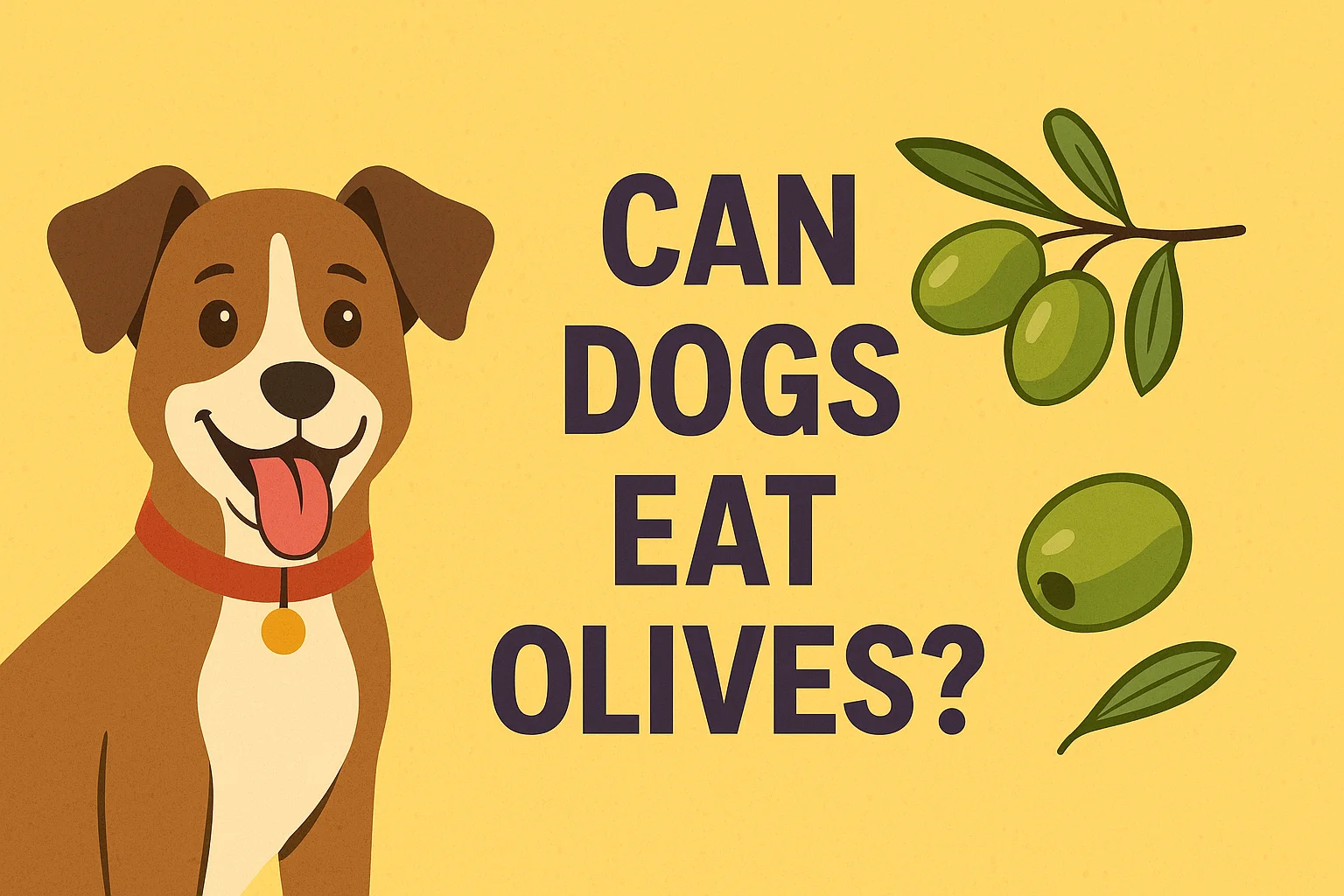
As a dog owner, you might have asked yourself: “Can dogs eat olives?” After all, sharing a small snack with your furry friend seems harmless. While olives are a healthy snack for humans, they are not as straightforward for dogs. Understanding the benefits, risks, and proper way to offer olives to your pet is essential to ensure their health and safety. In this comprehensive guide, we will explore everything you need to know about dogs and olives.
Are Olives Safe for Dogs?
The first question every pet owner asks is whether olives are toxic to dogs. The good news is that olives are not inherently poisonous for dogs (AKC, PetMD). In small quantities, plain, pitted olives are generally safe for most dogs. However, “not toxic” does not mean “perfectly safe” or “nutritious.”
Olives contain healthy fats and some antioxidants, but dogs do not need these in high amounts. Therefore, the health benefits of olives are minimal for dogs compared to the potential risks. Feeding them regularly or in large amounts is not recommended.
Risks of Feeding Olives to Dogs
While plain olives might seem harmless, several risks exist that dog owners need to consider:
1. Olive Pits Are Dangerous
One of the most significant dangers of olives is the pit. Swallowing an olive pit can cause:
- Choking
- Damage to teeth
- Blockage in the digestive tract
This risk is particularly high in small or young dogs, but it can affect dogs of all sizes (AKC). Always remove the pit before offering an olive to your pet.
2. High Sodium and Added Ingredients
Most store-bought olives are canned, pickled, or marinated. These often contain high sodium levels, oils, and seasonings, which are unhealthy for dogs. Excess sodium can lead to dehydration, kidney strain, or salt toxicity. Oils and fats can upset your dog’s digestive system or even trigger pancreatitis.
3. Toxic Stuffed Olives
Stuffed olives may contain garlic, onions, or cheese, which can be toxic or harmful to dogs. Garlic and onions, in particular, can damage a dog’s red blood cells and lead to anemia (PetMD).
4. Overeating and Obesity
Even plain olives are calorie-dense and offer little nutritional benefit. Feeding them too often can contribute to weight gain and related health problems.
Can Dogs Eat Olives? Guidelines for Safe Feeding
If you decide to offer olives as an occasional treat, follow these guidelines:
- Use Plain, Pitted Olives Only – Remove pits and avoid any flavored, marinated, or stuffed varieties.
- Serve Sparingly – Limit to 1–2 olives occasionally.
- Observe Your Dog – Watch for digestive upset such as vomiting, diarrhea, or signs of discomfort.
- Treat as a Rare Snack – Olives should never replace a balanced dog diet.
By adhering to these rules, you can reduce risks while still letting your dog enjoy the occasional olive.
Health Benefits of Olives for Dogs
Although olives are not necessary in a dog’s diet, they do contain some nutrients that may offer mild health benefits:
- Healthy Fats – Small amounts of monounsaturated fats support coat health and may help with inflammation.
- Antioxidants – Olives contain antioxidants, which can contribute to general cellular health.
- Vitamin E – Supports skin and immune function.
Despite these benefits, dogs can get similar or better nutrients from dog-safe vegetables, fruits, or treats without the associated risks.
Safer Alternatives to Olives
Since olives pose multiple risks, consider these healthier and safer snacks for your dog:
- Carrots – Low-calorie, crunchy, and rich in vitamins.
- Green Beans – High in fiber and safe when cooked or raw.
- Apples – Remove seeds and core; provide vitamins and fiber.
- Plain Cooked Meat – A lean source of protein that dogs love.
- Dog-Friendly Yogurt or Peanut Butter – In moderation, these provide beneficial probiotics or healthy fats.
These alternatives offer better nutrition and reduced risk compared to olives.
What to Do If Your Dog Eats Unsafe Olives
Accidents happen. If your dog eats pitted or seasoned olives, marinated varieties, or stuffed olives, watch for the following signs:
- Vomiting
- Diarrhea
- Lethargy
- Difficulty breathing or choking
If symptoms occur, contact a veterinarian immediately. Quick action can prevent serious complications such as digestive blockage or salt toxicity (AKC).
FAQ: Can Dogs Eat Olives?
1. Can puppies eat olives?
No, it is not recommended. Puppies are smaller and more vulnerable to choking and digestive upset.
2. Are black olives safer than green olives?
Both types carry the same risks. Plain, pitted olives are required for either type.
3. Can olive oil be given to dogs?
Yes, small amounts of extra virgin olive oil can be added to dog food to promote coat health, but only in moderation.
4. What should I do if my dog swallows an olive pit?
Monitor your dog closely and consult a veterinarian immediately. Olive pits can cause blockage or choking.
5. How often can my dog have olives?
Only occasionally as a rare treat — never daily.
Quick Tips for Dog Owners
- Avoid flavored or seasoned olives – Stick to plain, pitted ones only.
- Introduce gradually – Offer one olive and monitor tolerance.
- Never use olives as a meal replacement – They are a treat, not a dietary necessity.
- Stay aware of additives – Garlic, onion, and alcohol in some olive preparations are toxic to dogs.
- Consult your vet – If your dog has health issues, always check before introducing new snacks.
Conclusion
So, can dogs eat olives? Technically, yes — but only plain, pitted, and in very small amounts. The risks, including choking, digestive upset, and toxicity from additives, often outweigh any minor health benefits. Most dog owners are better off offering safer, healthier treats like vegetables, fruits, or lean meats.
Olives may occasionally be a fun snack, but they should never replace a balanced, nutritious dog diet. Keeping your dog’s food safe, natural, and vet-approved ensures they remain happy, healthy, and energetic for years to come.
For more information, you can check sources like AKC and PetMD.
What do you think?
Related Articles

What Vegetables Can Dogs Eat? Safe and Unsafe Vegetables
Many vegetables are safe and healthy for dogs, but some can be dangerous. Learn what vegetables dogs can eat, what they can eat daily, and
Can Dogs Eat Anchovies? Benefits, Risks, and Safe Guide
Can dogs eat anchovies safely? Discover the benefits, risks, and proper way to feed anchovies to dogs. Learn how these small fish can support your

Can Dogs Eat White Chocolate? A Complete Safety Guide
Can dogs eat white chocolate or is it dangerous? Discover the risks, symptoms of chocolate poisoning, and what to do if your dog eats white