Can Dogs Eat Pasta? Everything Dog Owners Need to Know
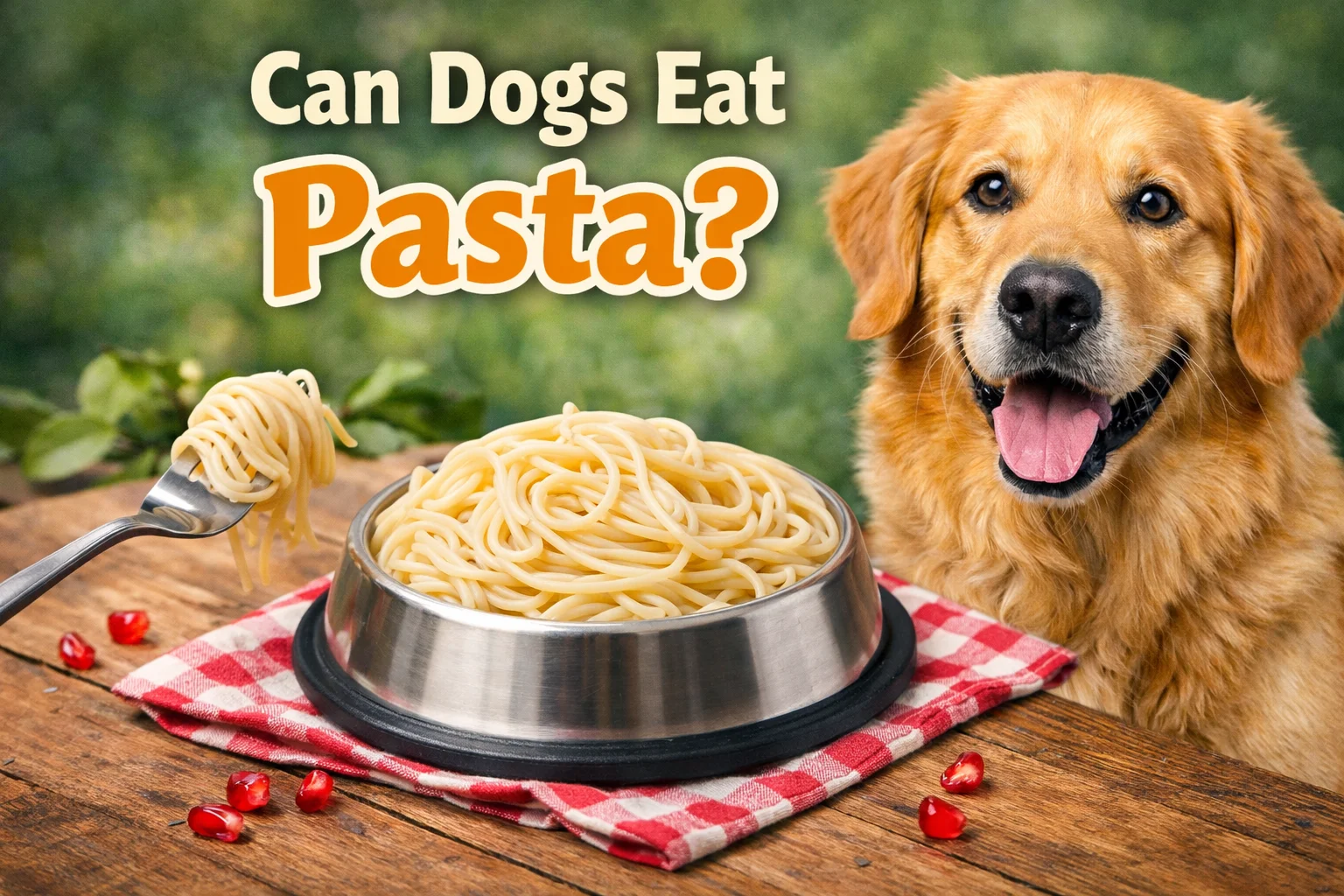
As a dog owner, it is hard to ignore those hopeful eyes staring at you while you eat. Pasta is one of the most common foods found in homes, and it often raises an important question: Can dogs eat pasta? Since pasta looks harmless and smells appealing, many people assume it must be safe for dogs. However, that assumption can sometimes lead to digestive issues or long-term health concerns.
Although pasta is not toxic to dogs, it is not always the best choice for them either. Understanding when pasta is safe, when it becomes risky, and how it affects a dog’s body is essential before sharing it with your pet. This guide explains pasta and dogs in detail, covering ingredients, portion sizes, health risks, and safer feeding practices.
What Is Pasta Made Of?
Before deciding whether dogs can eat pasta, it helps to understand what pasta actually contains. Traditional pasta is made from wheat flour and water. Some varieties also include eggs. On its own, plain pasta does not contain poisonous ingredients. However, that does not automatically make it healthy for dogs.
Pasta is rich in carbohydrates. While carbohydrates can provide energy, dogs do not require large amounts of them. Dogs thrive on balanced diets that focus on protein, healthy fats, and controlled carbohydrates. Therefore, pasta plays a minimal role in canine nutrition.
Can Dogs Eat Pasta?
Yes, dogs can eat plain, cooked pasta in small amounts, but it should only be an occasional treat.
Plain pasta is not toxic, and most dogs can digest it without immediate harm. However, pasta offers little nutritional value for dogs. Due to this, regularly eating pasta in large portions can lead to unwanted health problems.
So while pasta is not dangerous by nature, moderation and preparation matter greatly.
Why Plain Pasta Is Safer Than Seasoned Pasta
One of the most important distinctions to make is between plain pasta and pasta dishes prepared for humans.
Plain pasta means:
- No salt
- No butter
- No oil
- No garlic
- No onions
- No sauces
Human pasta dishes often contain ingredients that are harmful to dogs. Garlic and onions, for example, can damage a dog’s red blood cells. Heavy sauces can upset digestion, and added salt strains the kidneys.
Therefore, only plain, unseasoned pasta should ever be considered.
How Pasta Affects a Dog’s Digestive System
Dogs digest food differently from humans. Their digestive systems are shorter and more sensitive to starchy foods.
Short-Term Effects
In small amounts, plain pasta usually passes through a dog’s system without major problems. However, some dogs may experience:
- Mild bloating
- Soft stools
- Gas
These effects typically resolve on their own.
Long-Term Effects
If dogs eat pasta frequently, long-term problems may develop. Excess carbohydrates can contribute to:
- Weight gain
- Reduced energy
- Increased risk of diabetes
- Poor nutritional balance
Because pasta fills the stomach without providing essential nutrients, dogs may miss out on the protein and vitamins they actually need.
Is Pasta Safe for All Dogs?
Not all dogs respond to pasta the same way. Several factors influence safety.
Dogs With Wheat Sensitivities
Some dogs have sensitivities or allergies to wheat. Since most pasta contains wheat, these dogs may experience itching, digestive upset, or ear infections after eating it.
For such dogs, pasta should be avoided entirely.
Overweight Dogs
Pasta is calorie-dense. Even small portions can contribute to weight gain. For overweight dogs, pasta increases the risk of obesity-related conditions.
Diabetic Dogs
Because pasta converts into sugar during digestion, it can raise blood glucose levels. Dogs with diabetes should not eat pasta at all.
Can Puppies Eat Pasta?
Puppies should not eat pasta regularly.
Their growing bodies require highly nutritious food. Pasta fills their stomach without supporting growth or development. In addition, puppies have more sensitive digestive systems, which makes them more likely to experience diarrhea after eating starchy foods.
If a puppy accidentally eats a small piece of plain pasta, it usually causes no harm. However, it should never become part of a puppy’s diet.
Can Dogs Eat Different Types of Pasta?
Not all pasta is the same. Understanding different varieties helps clarify what is safe and what is not.
White Pasta
White pasta is the most common type. It is highly processed and low in fiber. Dogs can digest it, but it offers minimal benefits.
Whole Wheat Pasta
Whole wheat pasta contains more fiber. While fiber can help digestion, too much fiber may cause gas or loose stools in dogs.
Egg Pasta
Egg-based pasta contains additional protein. While eggs themselves are safe for dogs when cooked, egg pasta still carries the same carbohydrate concerns.
Gluten-Free Pasta
Some gluten-free pasta uses rice or corn. These options may be easier for dogs with wheat sensitivities. Still, they should only be offered occasionally.
Can Dogs Eat Pasta With Sauce?
Dogs should not eat pasta with sauce.
Most sauces contain ingredients that are unsafe for dogs. Common problems include:
- Garlic and onions
- High salt content
- Added sugars
- Dairy products
- Spices
Even a small amount of sauce can upset a dog’s stomach or cause more serious health problems.
Signs That Pasta Is Not Agreeing With Your Dog
After eating pasta, some dogs may show signs of discomfort.
Watch for:
- Vomiting
- Diarrhea
- Excessive gas
- Lethargy
- Loss of appetite
If symptoms last longer than 24 hours, veterinary advice is recommended.
How Much Pasta Can a Dog Eat?
Portion control is critical.
For small dogs, a few bites are more than enough. For medium to large dogs, a small spoonful may be acceptable. Pasta should never replace a meal. Instead, it should remain an occasional treat.
A good rule is that treats should make up less than 10 percent of a dog’s daily food intake.
Healthier Alternatives to Pasta for Dogs
Instead of pasta, consider safer, more nutritious options.
Better choices include:
- Cooked plain rice
- Boiled sweet potatoes
- Plain pumpkin
- Steamed carrots
- Green beans
These foods provide fiber, vitamins, and minerals without excessive starch.
Why Dogs Do Not Need Human Comfort Foods
Dogs experience comfort differently from humans. While pasta may feel comforting to us, dogs benefit more from routine, consistency, and proper nutrition.
Feeding dogs human comfort foods often leads to long-term health issues. Choosing dog-appropriate treats shows care and responsibility rather than indulgence.
Common Myths About Dogs and Pasta
Myth: Pasta Is a Good Energy Source for Dogs
While pasta provides calories, dogs already receive energy from balanced dog food. Extra carbs add no advantage.
Myth: Dogs Love Pasta, So It Must Be Safe
Dogs often enjoy tastes that are not good for them. Enjoyment does not equal nutritional value.
Myth: Homemade Food Is Always Healthier
Homemade food can be healthy when properly balanced. Random human foods, however, often lack proper nutrients for dogs.
What to Do If a Dog Eats Too Much Pasta
If your dog eats a large amount of pasta, observe them closely. Ensure access to fresh water and avoid feeding additional treats that day.
Contact a veterinarian if:
- Vomiting persists
- Diarrhea becomes severe
- Your dog appears weak or bloated
Prompt attention helps prevent complications.
Final Verdict: Can Dogs Eat Pasta?
Dogs can eat plain, cooked pasta in small amounts, but it should never become a regular part of their diet.
Pasta does not offer meaningful nutritional benefits for dogs and may contribute to weight gain or digestive issues if fed often. Plain preparation and moderation are essential.
If you want to treat your dog, choose foods that support their health rather than filling their stomach without benefit.
Final Thoughts for Dog Owners
Feeding dogs responsibly means understanding their nutritional needs rather than sharing everything we eat. Pasta may seem harmless, yet it does not improve a dog’s health. By choosing dog-safe alternatives and maintaining balance, you support your pet’s long-term well-being.
When in doubt, simplicity and moderation are always the safest path.
What do you think?
Related Articles
What Vegetables Can Dogs Eat? Safe and Unsafe Vegetables
Many vegetables are safe and healthy for dogs, but some can be dangerous. Learn what vegetables dogs can eat, what they can eat daily, and
Can Dogs Eat Anchovies? Benefits, Risks, and Safe Guide
Can dogs eat anchovies safely? Discover the benefits, risks, and proper way to feed anchovies to dogs. Learn how these small fish can support your
Can Dogs Eat White Chocolate? A Complete Safety Guide
Can dogs eat white chocolate or is it dangerous? Discover the risks, symptoms of chocolate poisoning, and what to do if your dog eats white