Can Dogs Eat Pistachios? A Complete Guide for Dog Owners
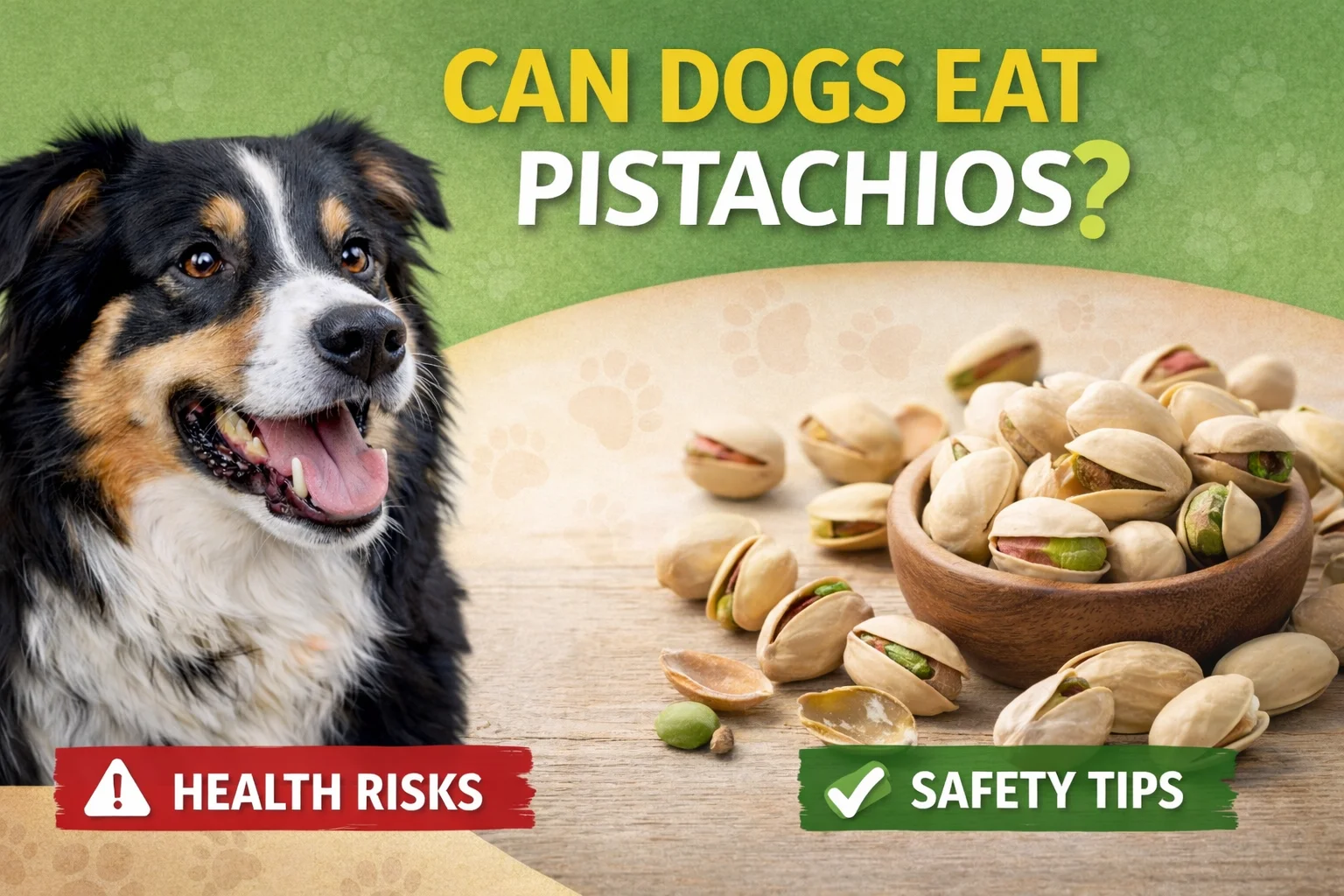
Dog owners often enjoy sharing snacks with their pets, especially when those snacks seem harmless. Nuts, however, can be confusing. Pistachios, in particular, raise many questions because they are popular, flavorful, and commonly found in homes.
So, can dogs eat pistachios, or should they be kept far away from curious paws?
Although pistachios are not toxic in the strictest sense, they are not safe for dogs and can pose several health risks. This comprehensive guide explains why pistachios are dangerous, what happens if a dog eats them, and which safer alternatives you should choose instead.
What Are Pistachios?
Pistachios are tree nuts that grow inside hard shells. Humans enjoy them for their taste, healthy fats, and nutrients. However, pistachios prepared for human consumption often come salted, roasted, or flavored.
While pistachios may benefit people, dogs process food very differently. As a result, what works for humans does not always work for dogs.
Are Pistachios Safe for Dogs?
No, pistachios are not safe for dogs. Even though pistachios are not classified as highly toxic like some foods, they still present multiple serious risks.
Dogs should not eat pistachios because they:
- Are high in fat
- Often contains salt
- Pose a choking hazard
- May carry mold toxins
- Can cause digestive distress
Therefore, pistachios should always be avoided.
Why Pistachios Are Dangerous for Dogs
1. High Fat Content
Pistachios contain a large amount of fat. While dogs need some fat in their diets, excessive fat can overwhelm their digestive systems.
As a result, eating pistachios may lead to:
- Vomiting
- Diarrhea
- Stomach pain
- Pancreatitis in severe cases
Pancreatitis is a painful and potentially life-threatening condition that requires immediate veterinary care.
2. Salt and Seasonings
Most pistachios sold in stores are salted. Dogs are extremely sensitive to sodium, and too much salt can cause dehydration and sodium poisoning.
Symptoms of salt toxicity include:
- Excessive thirst
- Frequent urination
- Lethargy
- Tremors or seizures
Because of this, salted pistachios are especially dangerous for dogs.
3. Choking and Intestinal Blockage Risk
Pistachios are small, hard, and often eaten with shells nearby. Dogs may swallow them whole, which increases the risk of choking.
Even worse, pistachio shells can cause:
- Intestinal blockages
- Mouth injuries
- Constipation
- Internal damage
Blockages often require surgical intervention, making this risk extremely serious.
4. Risk of Mold Toxins (Aflatoxins)
Pistachios can sometimes contain aflatoxins, which are toxins produced by certain molds. These toxins are particularly dangerous for dogs.
Aflatoxin exposure may cause:
- Liver damage
- Loss of appetite
- Vomiting
- Jaundice
- Seizures
Even small amounts can be harmful over time.
Can Dogs Eat Unsalted Pistachios?
No. Unsalted pistachios are still unsafe for dogs. Although removing salt reduces one risk, the high fat content and choking hazards remain.
Therefore, pistachios in any form should not be offered to dogs.
Can Dogs Eat Pistachio Shells?
Absolutely not. Pistachio shells are extremely dangerous for dogs. They are hard, sharp, and indigestible.
If swallowed, shells may:
- Damage to the digestive tract
- Cause painful blockages
- Led to emergency surgery
Always dispose of pistachio shells securely and keep them out of reach.
What Happens If a Dog Eats Pistachios?
If a dog eats one or two pistachios accidentally, symptoms may not appear immediately. However, problems can still develop.
Common Symptoms to Watch For
- Vomiting
- Diarrhea
- Abdominal discomfort
- Loss of appetite
- Lethargy
If your dog eats a large quantity or shows severe symptoms, veterinary attention is essential.
What to Do If Your Dog Eats Pistachios
If your dog consumes pistachios, act quickly but calmly.
Steps to Take
- Remove access to pistachios immediately
- Check how many were eaten
- Monitor for symptoms over 24 hours
- Provide fresh water
- Contact your veterinarian if symptoms appear
Never induce vomiting unless instructed by a professional.
Can Puppies Eat Pistachios?
No, puppies should never eat pistachios. Their digestive systems are still developing, which makes them even more vulnerable to fat, salt, and choking hazards.
Even a small amount may cause significant discomfort in puppies.
Can Senior Dogs Eat Pistachios?
Senior dogs are also at higher risk. Many older dogs suffer from slower digestion, kidney issues, or pancreatitis. Pistachios can worsen these conditions.
As a result, pistachios should be avoided completely for senior dogs.
Pistachios vs Other Nuts for Dogs
Pistachios vs Peanuts
Peanuts (plain and unsalted) are sometimes tolerated by dogs, while pistachios are not recommended at all.
Pistachios vs Almonds
Almonds are also unsafe due to choking and digestive risks.
Pistachios vs Cashews
Cashews are less dangerous in small amounts, but pistachios carry higher fat and mold risks.
Why Dogs Should Avoid Nuts in General
Although some nuts seem harmless, most nuts are not ideal for dogs.
Common problems include:
- High fat levels
- Digestive upset
- Risk of choking
- Toxic molds
Because safer snack options exist, nuts should not be part of a dog’s diet.
Healthy Alternatives to Pistachios for Dogs
If your dog loves crunchy snacks, choose safer options instead.
Dog-Safe Alternatives
- Carrot sticks
- Apple slices (without seeds)
- Plain popcorn (air-popped, no salt)
- Blueberries
- Dog-approved treats
These options provide texture and flavor without unnecessary risks.
Can Pistachio Ice Cream or Desserts Be Given to Dogs?
No. Pistachio-flavored desserts often contain:
- Sugar
- Dairy
- Artificial flavorings
- Xylitol (sometimes)
These ingredients make desserts far more dangerous than pistachios alone.
How to Prevent Dogs from Eating Pistachios
Prevention is always better than treatment.
Simple Safety Tips
- Store nuts in sealed containers
- Clean floors after snacking
- Dispose of shells securely
- Educate family members
Small habits can prevent serious emergencies.
Final Verdict: Can Dogs Eat Pistachios?
No, dogs should not eat pistachios. Although they may not be immediately toxic, pistachios pose too many risks, including high fat content, salt toxicity, choking hazards, and potential mold exposure.
For your dog’s safety and long-term health, it is best to avoid pistachios entirely and choose dog-friendly snacks instead
What do you think?
Related Articles

Can Dogs Have Cranberry Juice? A Complete Guide for owners
Learn whether dogs can have cranberry juice, including health benefits, risks, portion sizes, and important ingredient precautions.

Can Dogs Have Dried Cranberries? A Complete guide.
Learn whether dogs can have dried cranberries, including benefits, risks, portion sizes, and important ingredient warnings for pet owners.

Can Dogs Have Cranberries? A Complete Guide for Safe Feeding
Can dogs have cranberries? Discover whether cranberries are safe for dogs, how much to feed, potential risks, and the best preparation methods.