Can Dogs Eat Pork Meat?
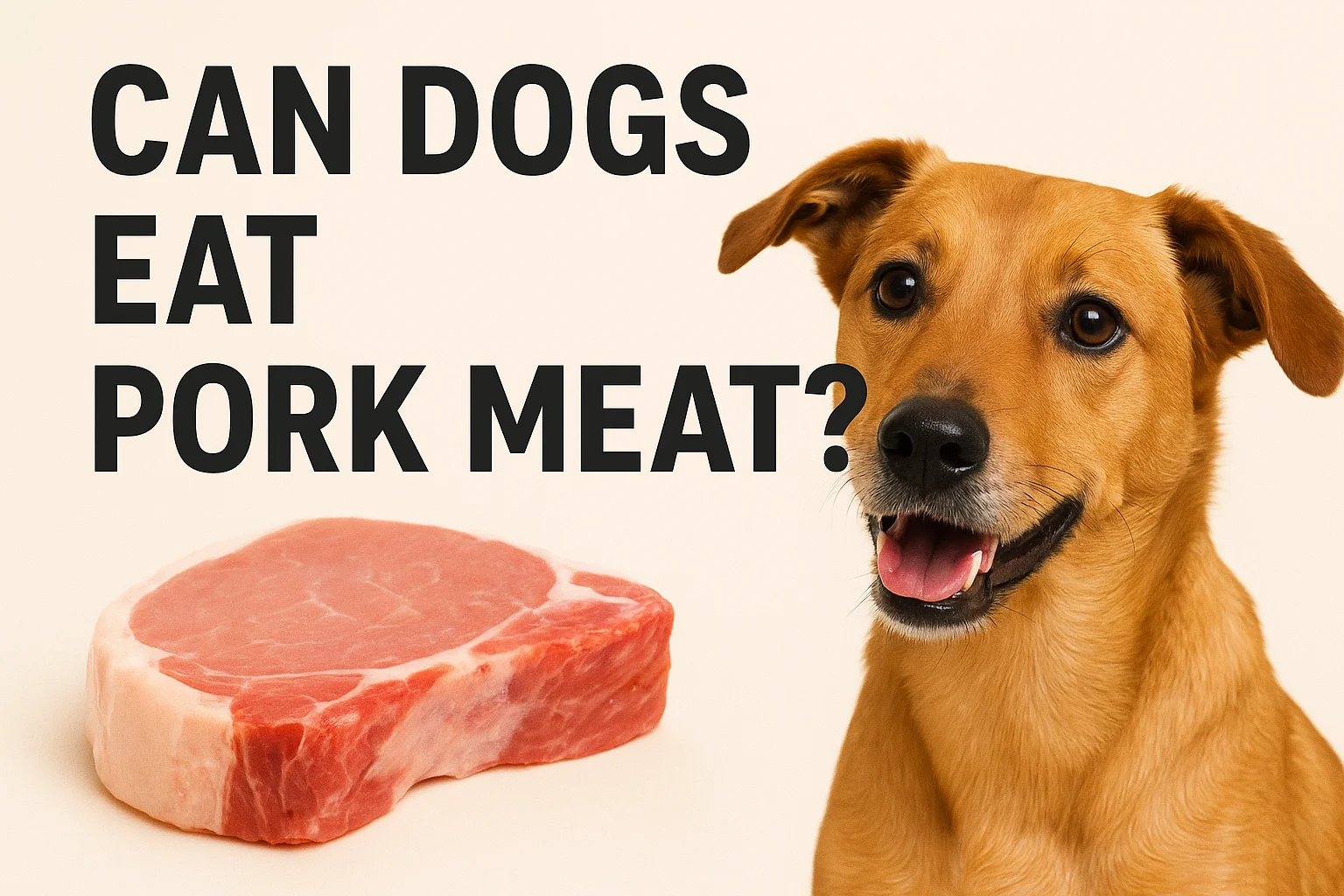
Many dog owners pause before sharing human food with their pets, and pork often raises questions. Some people hear that pork is dangerous, while others believe it is perfectly safe. The truth sits somewhere in between. To answer the question “Can dogs eat pork meat?”, you must understand preparation methods, portion size, nutritional value, and potential health risks.
This guide explains everything clearly, using practical examples and veterinary-informed reasoning, so you can make safe and confident decisions for your dog.
Can Dogs Eat Pork Meat Safely?
Yes, dogs can eat pork meat, but safety depends entirely on how the pork is prepared, how much is offered, and your dog’s individual health.
Plain, fully cooked pork without seasonings can work as an occasional protein source. However, processed, fatty, or undercooked pork creates serious health concerns for dogs.
Therefore, pork does not fall into the “toxic” category for dogs, yet it also does not qualify as an everyday food choice.
Nutritional Value of Pork Meat for Dogs
Pork contains several nutrients that support canine health when offered correctly.
Key nutrients found in pork meat
- High-quality animal protein for muscle maintenance
- B vitamins that support metabolism and energy production
- Zinc for immune system support
- Iron for oxygen transport in the blood
Despite these benefits, pork also contains higher fat levels than many other meats. Because of this, portion control matters greatly.
Is Pork Meat Good for Dogs or Just Acceptable?
Pork meat remains acceptable, not ideal.
Dogs thrive on balanced diets designed specifically for their nutritional needs. Pork can contribute protein, yet it lacks the controlled fat balance found in high-quality commercial dog foods.
For dogs with sensitive digestion, pork often causes stomach upset more easily than lean meats such as chicken or turkey.
Can Dogs Eat Cooked Pork Meat?
Yes, dogs can eat cooked pork meat, provided that:
- It is cooked thoroughly
- No seasoning, salt, garlic, onion, or spices are added
- Excess fat is removed
Cooking eliminates harmful bacteria and parasites, making pork safer for canine consumption.
Best cooking methods for dogs
- Boiling
- Baking without oil
- Plain steaming
Avoid frying or grilling with marinades, as these methods add fats and seasonings that harm dogs.
Can Dogs Eat Raw Pork Meat?
No, dogs should not eat raw pork meat.
Raw pork may carry parasites such as Trichinella spiralis, which causes trichinosis. This parasite poses risks to both dogs and humans.
Even though some raw diets exist, raw pork remains one of the riskiest meats in that category. Cooking eliminates this danger.
Why Seasoned Pork Is Dangerous for Dogs
Seasonings used in human cooking cause most pork-related problems in dogs.
Common harmful ingredients
- Salt, which leads to dehydration and sodium toxicity
- Garlic and onion, which damage red blood cells
- Spices that irritate the digestive system
- Sauces containing sugar, preservatives, or artificial flavors
Because of these additives, table scraps create more harm than benefit.
Can Dogs Eat Pork Fat or Pork Skin?
Dogs should avoid pork fat and pork skin.
Fatty pork increases the risk of:
- Pancreatitis
- Obesity
- Digestive upset
- Long-term metabolic problems
Even small portions of pork skin or fat trimmings can trigger severe abdominal pain in some dogs.
Can Dogs Eat Processed Pork Products?
Processed pork products are unsafe for dogs.
Pork foods dogs should never eat
- Bacon
- Ham
- Sausages
- Hot dogs
- Smoked pork
- Deli meats
These foods contain excessive salt, preservatives, and unhealthy fats. Regular exposure increases the risk of heart disease and digestive disorders.
How Much Pork Meat Can Dogs Eat?
Moderation determines safety.
Pork should remain:
- An occasional treat
- Less than 10% of daily calorie intake
- Offered in small, bite-sized portions
Large servings overwhelm the digestive system and contribute unnecessary fat.
Which Dogs Should Avoid Pork Meat Completely?
Some dogs should not eat pork at all.
Dogs that should avoid pork
- Dogs with pancreatitis history
- Overweight dogs
- Dogs with food allergies
- Dogs with sensitive stomachs
- Senior dogs with reduced metabolism
For these dogs, lean proteins offer safer alternatives.
Signs Your Dog Is Not Tolerating Pork Meat
Watch for digestive reactions after feeding pork.
Warning signs include
- Vomiting
- Diarrhea
- Excessive gas
- Lethargy
- Abdominal discomfort
- Loss of appetite
If symptoms persist, discontinue pork immediately and consult a veterinarian.
Can Puppies Eat Pork Meat?
Puppies require carefully balanced nutrition for proper growth.
Pork does not suit puppies well because:
- Their digestive systems remain sensitive
- Fat content disrupts nutrient absorption
- Growth-stage diets already provide sufficient protein
Occasional tiny amounts may not cause harm, yet routine feeding remains unnecessary.
Is Pork Meat Better Than Other Meats for Dogs?
Compared to other proteins, pork ranks lower for routine feeding.
Healthier protein choices
- Chicken (lean and digestible)
- Turkey (low fat)
- Fish (omega-3 rich)
- Beef (lean cuts only)
Pork serves best as an occasional variety protein rather than a staple.
Can Dogs Be Allergic to Pork Meat?
Yes, some dogs develop pork allergies.
Symptoms include:
- Itchy skin
- Ear infections
- Digestive upset
- Excessive licking or scratching
If allergy signs appear, eliminate pork and consult a veterinarian for diagnosis.
How to Safely Prepare Pork Meat for Dogs
If you choose to feed pork, follow strict preparation rules.
Safe preparation checklist
- Choose lean cuts
- Cook thoroughly
- Remove visible fat
- Skip all seasoning
- Serve plain and cooled
- Cut into small pieces
This approach reduces risks and improves digestibility.
Can Dogs Eat Pork Bones?
No, dogs should never eat pork bones.
Cooked pork bones splinter easily and can cause:
- Choking
- Broken teeth
- Intestinal blockages
- Internal injuries
Raw pork bones also pose bacterial and parasitic risks.
Veterinary Perspective on Dogs Eating Pork Meat
Veterinarians generally agree that pork does not offer unique benefits over safer meats. While it does not qualify as toxic, it presents higher risks due to fat content and preparation errors.
As a result, professionals recommend pork only in controlled situations and never as a dietary foundation.
Final Verdict: Can Dogs Eat Pork Meat?
Yes, dogs can eat pork meat, but only under specific conditions.
Plain, fully cooked, unseasoned pork in small portions can be safe for some dogs. However, processed, fatty, raw, or seasoned pork creates serious health risks.
For most dogs, lean meats designed for canine nutrition remain the better choice. Pork works best as an occasional treat rather than a regular meal.
What do you think?
Related Articles

What Vegetables Can Dogs Eat? Safe and Unsafe Vegetables
Many vegetables are safe and healthy for dogs, but some can be dangerous. Learn what vegetables dogs can eat, what they can eat daily, and
Can Dogs Eat Anchovies? Benefits, Risks, and Safe Guide
Can dogs eat anchovies safely? Discover the benefits, risks, and proper way to feed anchovies to dogs. Learn how these small fish can support your

Can Dogs Eat White Chocolate? A Complete Safety Guide
Can dogs eat white chocolate or is it dangerous? Discover the risks, symptoms of chocolate poisoning, and what to do if your dog eats white
[…] nuggets are usually deep-fried, which significantly increases their fat level. Dogs that consume high-fat foods are at a higher risk of digestive upset and pancreatitis, a painful […]