Can Dogs Eat Ramen Noodles? A Complete Guide for Dog Owners
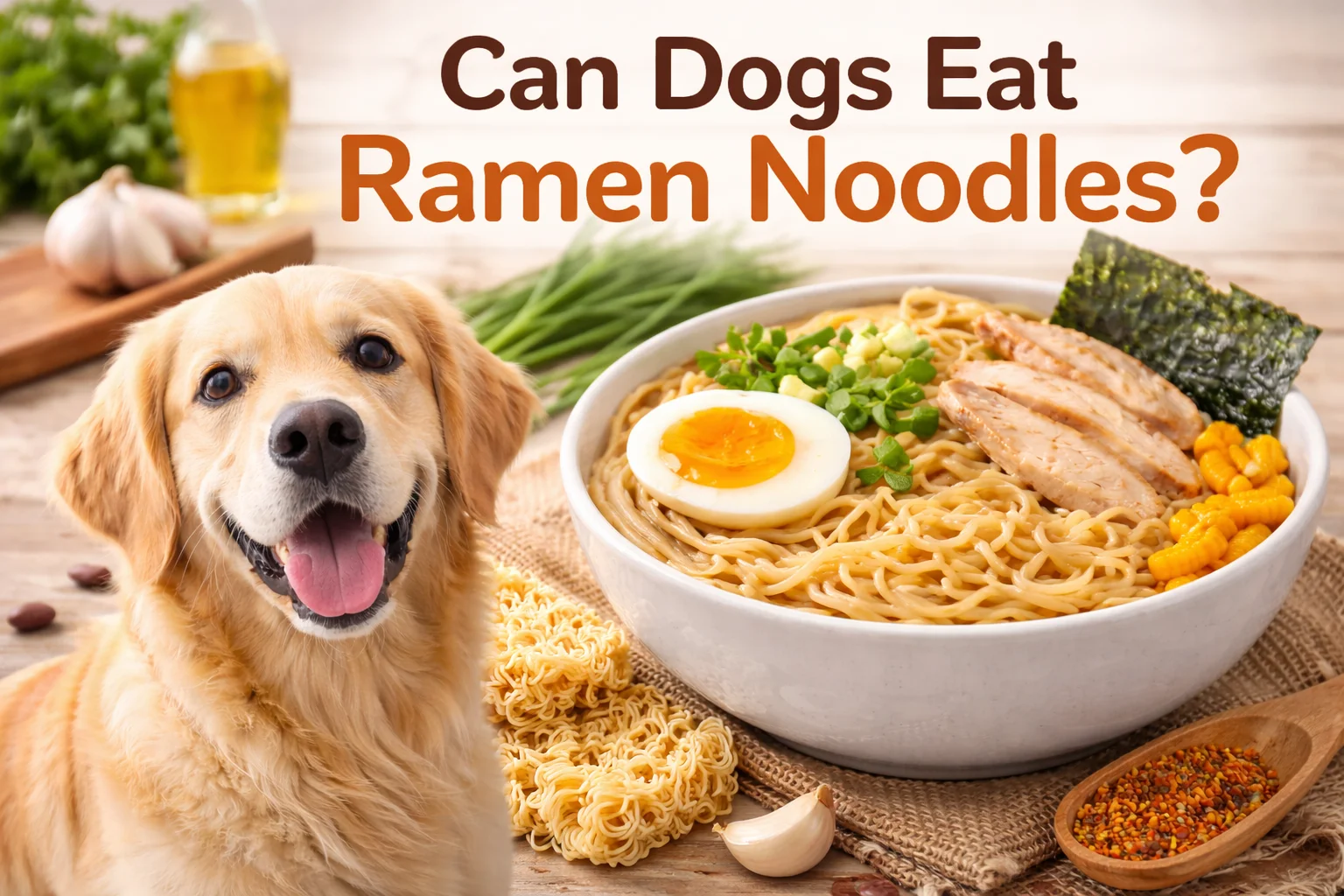
Many dog owners enjoy sharing food moments with their pets. When something smells good or looks tempting, it is natural for a dog to beg for a bite. Ramen noodles, being inexpensive, flavorful, and widely available, often appear on the table. This leads to an important and frequently asked question: Can dogs eat ramen noodles safely?
Although ramen noodles are popular among humans, they are not designed with canine nutrition in mind. What seems harmless to people can cause digestive issues or long-term health concerns for dogs. This detailed guide explains everything dog owners need to know about ramen noodles, including ingredients, risks, occasional exposure, and safer alternatives.
What Are Ramen Noodles Made Of?
To understand whether ramen noodles are suitable for dogs, it is important to look at what they contain.
Ramen noodles usually consist of:
- Wheat-based noodles
- High sodium seasoning packets
- Artificial flavor enhancers
- Preservatives
- Oils and fats
In many cases, instant ramen also includes onion powder, garlic powder, and chemical additives. While humans can tolerate these ingredients in moderation, dogs process them very differently.
Can Dogs Eat Ramen Noodles? The Short Answer
In general, dogs should not eat ramen noodles. Although plain noodles alone are not toxic, ramen noodles are highly processed and usually loaded with salt, fat, and seasonings that can be harmful to dogs.
The answer to Can dogs eat ramen noodles depends on how the noodles are prepared, how much is consumed, and how often they are offered. However, as a regular or intentional food choice, ramen noodles are not recommended for dogs.
Why Ramen Noodles Are Not Good for Dogs
Several factors make ramen noodles a poor choice for canine diets.
Excessive Sodium Levels
One of the biggest problems with ramen noodles is their extremely high sodium content. Dogs require only a small amount of sodium in their diet. When dogs consume too much salt, it can lead to dehydration, increased thirst, and strain on the kidneys.
Regular intake of salty foods may contribute to:
- High blood pressure
- Kidney stress
- Electrolyte imbalance
Seasoning packets are especially dangerous, as they concentrate large amounts of salt in a single serving.
Harmful Seasonings and Flavorings
Most ramen seasoning packets contain ingredients that are unsafe for dogs.
- Onion powder and garlic powder can damage red blood cells
- Artificial flavor enhancers may irritate the digestive tract
- Spices can cause stomach discomfort
Because these seasonings are mixed directly into the noodles, they cannot be separated or removed effectively.
Low Nutritional Value
Ramen noodles provide very little nutritional benefit for dogs. They are high in refined carbohydrates and low in essential nutrients such as quality protein, vitamins, and minerals.
Dogs need balanced nutrition to support muscle development, immune health, and energy levels. Ramen noodles fail to meet these needs and may displace healthier food choices.
Can Dogs Eat Plain Ramen Noodles Without Seasoning?
Some dog owners wonder whether removing the seasoning makes ramen noodles safe. While plain noodles are less harmful than seasoned ones, they still are not ideal.
Plain ramen noodles are:
- Highly processed
- Made from refined flour
- Low in fiber
- High in carbohydrates
In very small amounts, plain cooked noodles without seasoning may not cause immediate harm. However, they offer no real health benefits and should not become part of a dog’s regular diet.
Can Dogs Eat Cooked Ramen Noodles Occasionally?
Occasional exposure to a small amount of plain cooked noodles is unlikely to be dangerous for most healthy dogs. However, this does not mean ramen noodles are safe or recommended.
Dogs that eat ramen noodles occasionally may experience:
- Mild gas
- Soft stool
- Temporary stomach upset
Dogs with sensitive stomachs, allergies, or chronic conditions may react more strongly
Can Puppies Eat Ramen Noodles?
Puppies should not eat ramen noodles under any circumstances. Their digestive systems are still developing, and they require nutrient-dense food formulated specifically for growth.
Introducing ramen noodles to puppies may lead to:
- Digestive upset
- Poor nutrient absorption
- Imbalanced diet
Puppies should remain on veterinarian-approved puppy food without unnecessary human food additions.
What Happens If a Dog Eats Ramen Noodles Accidentally?
If a dog eats ramen noodles accidentally, the outcome depends on the amount and ingredients involved.
Possible Mild Symptoms
- Increased thirst
- Mild diarrhea
- Gas or bloating
Possible Serious Symptoms
- Vomiting
- Lethargy
- Loss of appetite
- Signs of salt toxicity
If a dog consumes a large amount of ramen seasoning or shows unusual symptoms, veterinary attention should be considered.
Salt Toxicity and Dogs
Salt toxicity is a serious concern when dogs eat foods like ramen noodles.
Signs of salt toxicity may include:
- Excessive thirst
- Frequent urination
- Tremors
- Vomiting
- Weakness
While a small amount of salt may not cause immediate harm, repeated exposure can lead to long-term health issues.
Can Dogs Eat Ramen Broth?
Ramen broth is even more dangerous than the noodles themselves. It is usually extremely salty and heavily seasoned.
Ramen broth often contains:
- Concentrated sodium
- Onion and garlic extracts
- Artificial additives
Dogs should never be given ramen broth, even in small amounts.
Why Dogs Crave Ramen Noodles
Dogs are attracted to ramen noodles because of their strong smell and fat content. These factors make the food appealing, even though it is unhealthy.
Taste preference does not equal safety. Dogs may enjoy foods that are not good for them, which is why owners must make informed decisions.
Healthier Alternatives to Ramen Noodles for Dogs
If you want to share food with your dog, there are much safer options.
Better Choices Include
- Plain cooked rice
- Plain cooked pasta without seasoning
- Cooked sweet potatoes
- Steamed vegetables such as carrots or green beans
These foods are easier to digest and provide more nutritional value when offered occasionally.
How to Introduce New Foods Safely
When offering any new food, including alternatives to ramen noodles, follow these steps:
- Introduce small amounts
- Observe for digestive reactions
- Avoid mixing with seasonings
- Limit frequency
Slow introduction helps prevent digestive upset and identifies food sensitivities early.
Are Ramen Noodles Ever Necessary in a Dog’s Diet?
Dogs do not need ramen noodles to meet any nutritional requirement. Complete dog food already provides balanced nutrients in the correct proportions.
Adding ramen noodles offers no health advantage and may create unnecessary risks.
Common Misconceptions About Dogs and Ramen Noodles
“My dog ate ramen once and was fine.”
A single exposure does not guarantee safety. Long-term or repeated exposure increases risk.
“Removing the seasoning makes it safe.”
Even without seasoning, ramen noodles remain low-quality food with minimal benefit.
Long-Term Effects of Feeding Ramen Noodles to Dogs
Regular consumption of ramen noodles may contribute to:
- Weight gain
- Nutritional imbalance
- Digestive issues
- Kidney strain due to sodium
These risks increase when ramen noodles replace healthier food options.
When to Contact a Veterinarian
Veterinary advice should be sought if a dog shows:
- Persistent vomiting or diarrhea
- Lethargy
- Refusal to eat
- Signs of dehydration
Prompt attention helps prevent complications.
Final Thoughts: Can Dogs Eat Ramen Noodles?
So, can dogs eat ramen noodles? While a small accidental bite may not cause immediate harm, ramen noodles are not suitable for dogs. Their high sodium content, harmful seasonings, and low nutritional value make them a poor dietary choice.
Dogs thrive best on simple, balanced foods designed for their specific needs. When offering human food, safety should always come first. Choosing healthier alternatives ensures long-term well-being and avoids unnecessary health risks.
Avoiding ramen noodles is the safest and most responsible decision for dog owners.
What do you think?
Related Articles

What Vegetables Can Dogs Eat? Safe and Unsafe Vegetables
Many vegetables are safe and healthy for dogs, but some can be dangerous. Learn what vegetables dogs can eat, what they can eat daily, and
Can Dogs Eat Anchovies? Benefits, Risks, and Safe Guide
Can dogs eat anchovies safely? Discover the benefits, risks, and proper way to feed anchovies to dogs. Learn how these small fish can support your

Can Dogs Eat White Chocolate? A Complete Safety Guide
Can dogs eat white chocolate or is it dangerous? Discover the risks, symptoms of chocolate poisoning, and what to do if your dog eats white