Can Dogs Eat Resins?
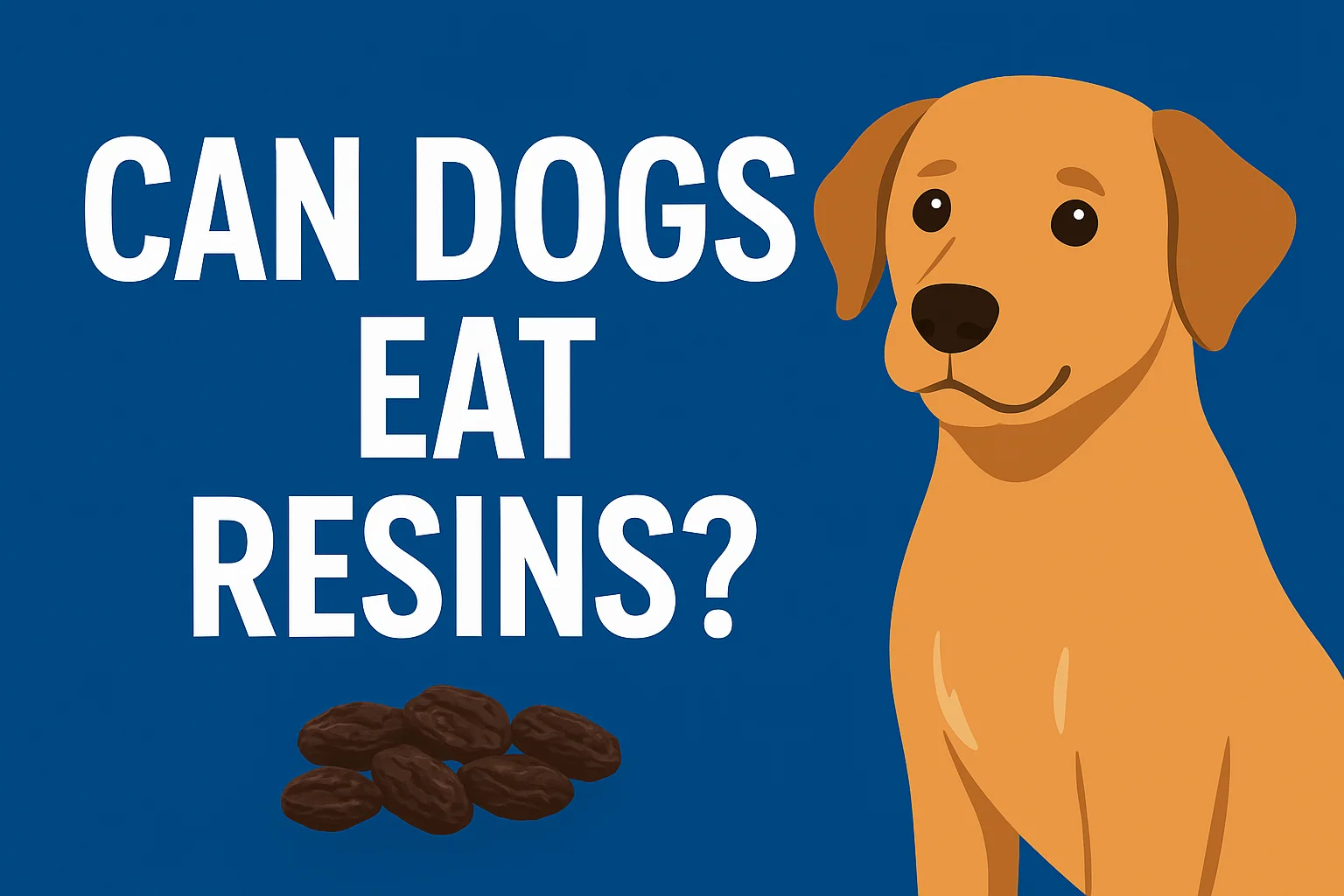
Resins are a sweet, chewy snack enjoyed by humans, but when it comes to dogs, they can be highly dangerous. Even a small amount of resins can cause serious health issues for dogs, ranging from mild digestive upset to life-threatening kidney failure. Understanding why resins are harmful, how they affect dogs, and what to do in case of ingestion is essential for every responsible pet owner.
What Are Resins?
Resins are dried grapes, commonly consumed as snacks, baked into desserts, or added to various recipes. While they may seem harmless and nutritious for humans, resins contain concentrated natural compounds that dogs cannot safely process. Unlike humans, dogs’ bodies do not have the necessary mechanisms to metabolize certain compounds in resins, making them highly toxic.
Because the harmful substance in resins affects dogs in unpredictable ways, even a small quantity can pose serious health risks. For this reason, it is recommended that dogs never be given resins under any circumstances.
Why Resins Are Dangerous for Dogs
Resins can lead to severe toxic reactions in dogs. One of the most concerning aspects is that there is no established safe amount. Dogs may react differently, with some showing serious symptoms after consuming only a few resins, while others may tolerate slightly more. This unpredictability makes it extremely risky to give dogs even a single raisin.
The exact mechanism behind the toxicity of resins in dogs is not completely understood. Experts believe that compounds such as tartaric acid and other naturally occurring substances in grapes and resins may damage the kidneys. Dogs are particularly susceptible to these compounds, and their consumption can cause acute kidney injury if left untreated.
How Resins Affect Dogs
The effects of resins on dogs can vary based on the size, weight, age, and overall health of the dog, as well as the amount consumed.
Early Symptoms
When a dog ingests resins, the first signs are often related to the digestive system. Within hours, a dog may exhibit:
- Vomiting
- Diarrhea
- Loss of appetite
- Lethargy and weakness
- Increased thirst and urination
These symptoms are often the first warning signs that the dog’s body is struggling to process the toxic compounds.
Advanced Symptoms
If the toxin is absorbed into the bloodstream, more severe symptoms can appear within 24 to 48 hours. These include:
- Decreased or absent urination
- Dehydration
- Weakness and difficulty standing
- Abdominal pain
- Unusual breath odor
If untreated, the ingestion of resins can progress to acute kidney failure, which can be fatal. Because dogs react differently, it is impossible to predict which dogs will develop severe complications.
What to Do If Your Dog Eats Resins
If you discover that your dog has eaten resins, it is essential to act quickly. Time is a critical factor in preventing serious complications.
Step 1: Contact a Veterinarian
Do not wait for symptoms to appear. Contact your veterinarian immediately or take your dog to an emergency clinic. Even a small number of resins can be dangerous, so professional guidance is crucial.
Step 2: Inducing Vomiting
A veterinarian may induce vomiting to remove the resins from the stomach, but this is only safe if done under professional supervision. Attempting to induce vomiting at home without guidance can be risky.
Step 3: Activated Charcoal
Activated charcoal may be administered to prevent the absorption of toxins from the stomach and intestines. This helps reduce the risk of kidney damage.
Step 4: Supportive Care
Dogs may receive intravenous fluids to support kidney function and ensure proper hydration. Hospitalization is often recommended so that kidney function can be closely monitored over 24 to 48 hours. Blood tests and urine monitoring are typically performed to detect early signs of kidney stress.
Step 5: Follow-Up Care
After initial treatment, ongoing monitoring is essential. Watch for changes in appetite, urination, and energy levels. Some dogs may require follow-up blood tests to ensure their kidneys are functioning properly.
Common Myths About Dogs and Resins
Myth: A Few Resins Are Safe
Some owners believe that feeding a small number of resins will not harm their dogs. This is not true. Dogs’ reactions to resins are unpredictable, and even one or two pieces can lead to serious illness.
Myth: Baked Goods Containing Resins Are Safe
Cooking resins does not neutralize the toxic compounds. Resins in bread, cakes, cookies, or other baked products remain dangerous for dogs.
Myth: Certain Types of Grapes Are Safer
All varieties of grapes and resins are risky for dogs. Seedless, green, red, or home-grown grapes and their dried forms pose the same threat. Avoiding all types is the safest approach.
Safe Treat Alternatives for Dogs
Instead of giving dogs resins, consider these safe and nutritious treats:
- Slices of apple without seeds or core
- Small pieces of banana
- Blueberries or strawberries
- Plain cooked pumpkin
- Vet-approved commercial dog treats
Introduce new foods gradually and observe your dog for any signs of digestive upset. Always choose treats that are safe and beneficial for your dog’s health.
Why Resins Should Be Completely Avoided
The question of whether dogs can eat resins is better reframed as why dogs should never eat them. Because resins contain compounds that are toxic to dogs, the risks far outweigh any potential benefits. Even small amounts can cause severe illness or death, making complete avoidance the best strategy.
By keeping resins out of your dog’s diet, you prevent unnecessary emergencies and ensure your dog’s health and well-being. Responsible pet ownership involves understanding what foods are safe and what can be life-threatening. Resins clearly fall into the latter category.
Conclusion
Resins are highly toxic to dogs and should never be given as treats or snacks. The unpredictable nature of toxicity, the risk of kidney failure, and the lack of a safe consumption threshold make resins dangerous for dogs of all ages, sizes, and breeds.
If your dog accidentally consumes resins, immediate veterinary attention is essential. Early treatment, including vomiting induction, activated charcoal, and intravenous fluids, can prevent severe complications.
Safer alternatives, such as fruits like apples and blueberries or specially formulated dog treats, provide a nutritious and enjoyable option for dogs without risking their health.
As a pet owner, prioritizing your dog’s safety and well-being means keeping resins completely out of reach. By doing so, you protect your dog from potentially life-threatening toxicity while providing them with healthy, safe, and enjoyable treats.
What do you think?
Related Articles

What Vegetables Can Dogs Eat? Safe and Unsafe Vegetables
Many vegetables are safe and healthy for dogs, but some can be dangerous. Learn what vegetables dogs can eat, what they can eat daily, and
Can Dogs Eat Anchovies? Benefits, Risks, and Safe Guide
Can dogs eat anchovies safely? Discover the benefits, risks, and proper way to feed anchovies to dogs. Learn how these small fish can support your

Can Dogs Eat White Chocolate? A Complete Safety Guide
Can dogs eat white chocolate or is it dangerous? Discover the risks, symptoms of chocolate poisoning, and what to do if your dog eats white
[…] not add salt, sugar, garlic, onion, or other seasonings, as these can be harmful to dogs. Serve daikon plain for maximum […]