Can Dogs Eat Salt?
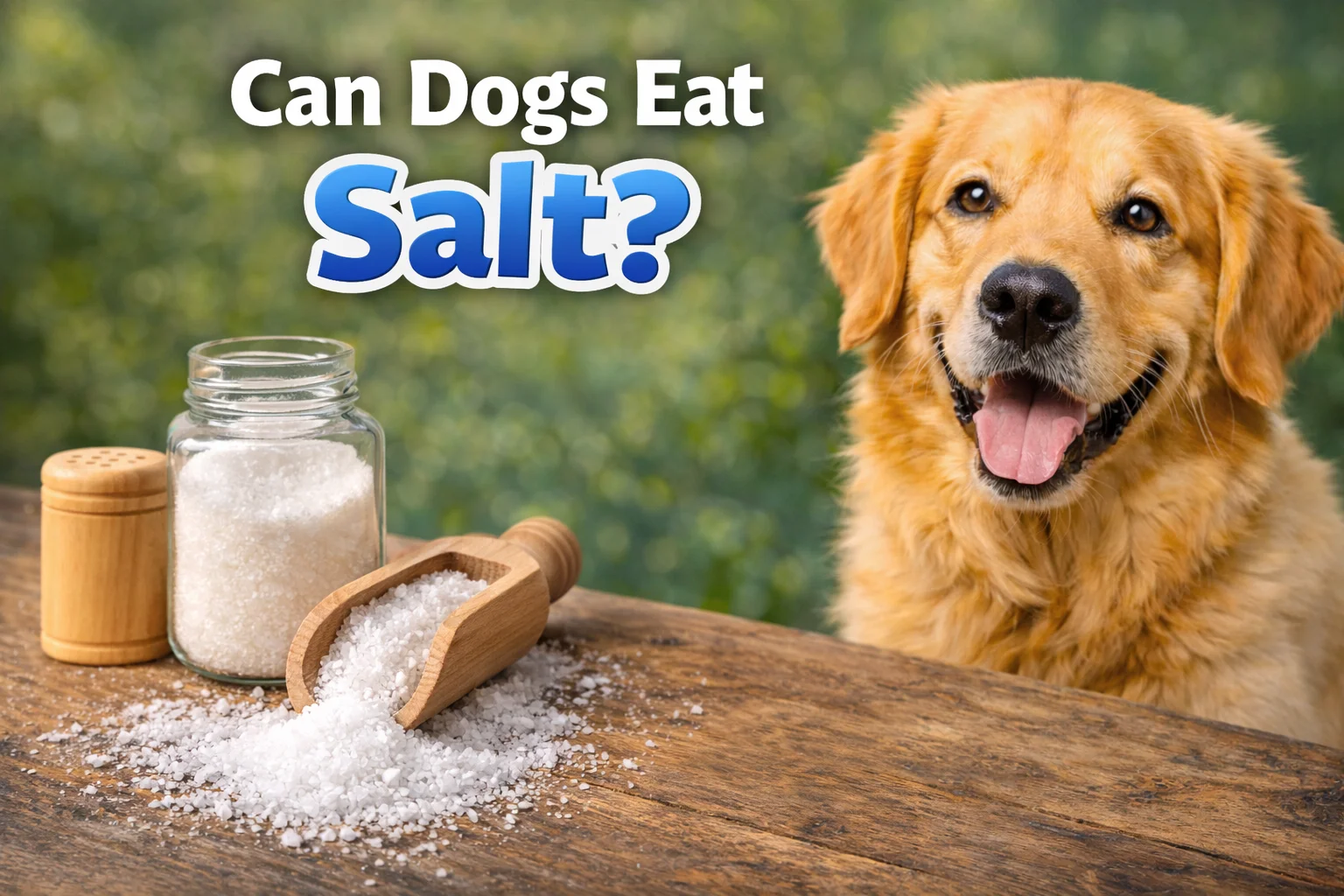
As a dog owner, it is completely natural to want to share food with your furry companion. After all, dogs often sit nearby with curious eyes whenever we snack. However, not every human food is safe for dogs. One common question many pet owners ask is: Can dogs eat salt?
Salt is everywhere. It is found in snacks, cooked meals, processed foods, and even table scraps. Because dogs may accidentally consume salty foods, understanding how salt affects dogs is extremely important. While small amounts of salt are naturally present in dog food, too much salt can quickly become dangerous.
In this detailed guide, we will explore whether dogs can eat salt, how much salt is safe, what happens if dogs consume too much salt, and what to do in case of salt poisoning. By the end, you will have a clear, practical understanding that helps you keep your dog safe and healthy.
Can Dogs Eat Salt in Small Amounts?
Yes, dogs can eat very small amounts of salt, but only when it comes from their regular, balanced dog food. Commercial dog food already contains the exact amount of sodium needed to support essential body functions. Because of this, dogs do not require any additional salt from human foods.
Although salt itself is not toxic in tiny quantities, problems arise when dogs consume salty snacks or foods designed for humans. Unlike people, dogs have a much lower tolerance for sodium. Therefore, what seems like a harmless bite to you may be risky for your dog.
Why Do Dogs Need Salt at All?
Salt, or sodium chloride, plays an important role in a dog’s body. Sodium helps maintain fluid balance, supports nerve function, and assists muscle movement. Without enough sodium, a dog’s body would struggle to function properly.
However, the key issue is balance. Dogs only need a very small amount of sodium, and this requirement is already met through high-quality dog food. Adding extra salt through treats or table scraps disrupts that balance and creates health risks.
How Much Salt Is Too Much for Dogs?
The safe amount of salt for dogs depends on their size, age, and overall health. Even so, the margin between safe and dangerous is quite small.
Dogs should never consume salty foods such as:
- Potato chips
- Popcorn with salt or butter
- Pretzels
- Salted nuts
- Processed meats
- Fast food leftovers
These foods contain sodium levels far beyond what a dog’s body can safely handle. Over time or even in one large intake, excess salt may lead to serious health issues.
Can Dogs Eat Salted Foods Occasionally?
Many dog owners assume that giving a small piece of salty food once in a while is harmless. Unfortunately, this assumption can be misleading.
Even occasional exposure to salty foods increases the risk of:
- Dehydration
- High blood pressure
- Kidney strain
- Electrolyte imbalance
Instead of offering salty treats, it is far safer to choose dog-friendly snacks that are specifically made without added salt.
What Happens If Dogs Eat Too Much Salt?
When dogs consume excessive salt, their bodies try to restore balance by pulling water from cells into the bloodstream. As a result, dehydration begins quickly. If the salt intake is high enough, a dangerous condition known as salt poisoning or sodium ion poisoning may occur.
This condition should never be ignored, as it can become life-threatening without prompt treatment.
Signs and Symptoms of Salt Poisoning in Dogs
Salt poisoning symptoms can appear within hours. Therefore, recognizing the warning signs early is crucial.
Common symptoms include:
- Excessive thirst
- Frequent urination
- Vomiting
- Diarrhea
- Lethargy
- Tremors
- Loss of coordination
- Seizures
In severe cases, dogs may experience brain swelling, coma, or even death. Because symptoms can escalate quickly, immediate veterinary attention is essential.
Can Dogs Eat Salt Licks or Rock Salt?
No, dogs should never have access to salt licks or rock salt. These products contain extremely high sodium concentrations. Even a few licks can cause sodium levels to rise dangerously.
Salt licks are designed for livestock, not dogs. If used around the home or yard, they should always be kept completely out of reach.
Are Certain Dogs More Sensitive to Salt?
Yes, some dogs are more vulnerable to salt than others. Dogs at higher risk include:
- Puppies
- Senior dogs
- Dogs with kidney disease
- Dogs with heart conditions
- Dogs with high blood pressure
For these dogs, even smaller amounts of salt can trigger serious complications. If your dog falls into any of these categories, extra caution is essential.
Can Dogs Eat Sea Salt or Himalayan Salt?
Some pet owners believe natural salts like sea salt or Himalayan salt are safer. However, this belief is incorrect.
All forms of salt contain sodium. Regardless of the source, excessive sodium affects dogs in the same harmful way. Natural salts are not safer alternatives and should not be given to dogs.
Can Dogs Eat Salt From Human Meals?
Human meals often contain hidden salt. Even foods that do not taste salty may contain high sodium levels due to seasoning, sauces, or preservatives.
Common examples include:
- Cooked rice with seasoning
- Bread
- Soup
- Cheese
- Sauces and gravies
While a dog might enjoy these foods, repeated exposure increases health risks. Feeding dogs plain, unseasoned food is always the safer choice.
What Should You Do If Your Dog Eats Too Much Salt?
If your dog eats something salty, remain calm but act quickly.
First, provide access to fresh water immediately. Do not force your dog to drink, but encourage hydration.
Next, monitor your dog closely for symptoms such as vomiting, weakness, or excessive thirst. If symptoms appear or if you know your dog consumed a large amount of salt, contact your veterinarian right away.
Never attempt home remedies without professional guidance, as improper treatment may worsen the condition.
Can Dogs Eat Salt-Free Foods Safely?
Yes, dogs thrive on foods that are low in sodium. Fresh fruits, vegetables, and lean proteins without seasoning are generally safer options when given in moderation.
Always ensure that any human food you share is:
- Plain
- Unsalted
- Unseasoned
- Free from harmful ingredients
This approach significantly reduces the risk of sodium-related health problems.
Healthier Alternatives to Salty Treats
Instead of salty snacks, consider healthier alternatives such as:
- Plain boiled chicken
- Unsalted pumpkin
- Fresh carrots
- Apples without seeds
- Dog-specific treats
These options satisfy your dog’s curiosity while keeping their health protected.
Can Puppies Eat Salt?
Puppies are especially sensitive to salt. Their developing kidneys cannot process sodium as efficiently as adult dogs. Because of this, puppies should never be exposed to salty foods.
Feeding puppies only age-appropriate dog food and treats ensures proper growth and prevents unnecessary health risks.
Long-Term Effects of Too Much Salt in Dogs
Repeated exposure to high sodium levels may lead to long-term health issues, including:
- Chronic kidney disease
- Heart strain
- Increased blood pressure
- Persistent dehydration
Although these effects may not appear immediately, they can significantly reduce a dog’s quality of life over time.
Can Dogs Eat Salt During Hot Weather?
During hot weather, dogs lose water quickly through panting. If salt intake increases during this time, dehydration occurs faster.
Therefore, salty foods are especially dangerous in warm conditions. Always prioritize fresh water and avoid any food that could worsen dehydration.
Is Salt Ever Used in Dog Diets?
Yes, salt is included in commercial dog food in carefully measured amounts. This controlled inclusion supports normal body functions without causing harm.
However, this does not mean salt should be added at home. Homemade diets should only be prepared with veterinary guidance to avoid nutritional imbalances.
Final Verdict: Can Dogs Eat Salt?
So, can dogs eat salt? The answer is yes, but only in extremely small, controlled amounts already present in dog food. Any additional salt from human foods poses unnecessary and potentially serious risks.
Dogs do not need salty snacks, and sharing them can do more harm than good. Choosing low-sodium, dog-safe foods is always the best option.
By staying informed and cautious, you can protect your dog from avoidable health problems and ensure they live a long, happy life.
What do you think?
Related Articles

What Vegetables Can Dogs Eat? Safe and Unsafe Vegetables
Many vegetables are safe and healthy for dogs, but some can be dangerous. Learn what vegetables dogs can eat, what they can eat daily, and
Can Dogs Eat Anchovies? Benefits, Risks, and Safe Guide
Can dogs eat anchovies safely? Discover the benefits, risks, and proper way to feed anchovies to dogs. Learn how these small fish can support your

Can Dogs Eat White Chocolate? A Complete Safety Guide
Can dogs eat white chocolate or is it dangerous? Discover the risks, symptoms of chocolate poisoning, and what to do if your dog eats white