Can Dogs Eat Yams? Vet-Inspired Guide for Dog Owners
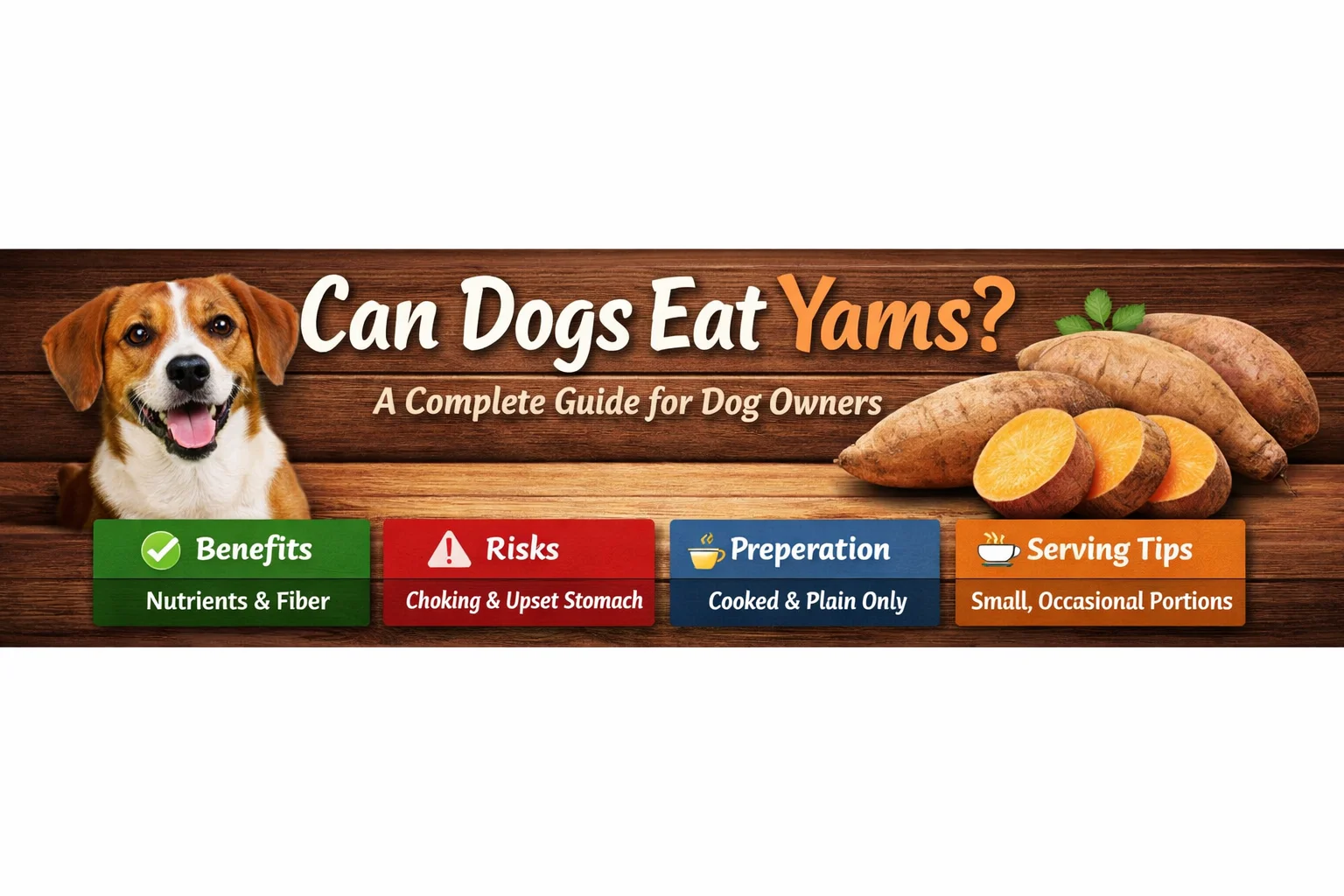
As a dog owner, it is natural to question whether human foods are safe for your furry companion. One common question that often creates confusion is: can dogs eat yams? Yams are nutritious for humans, but dogs have different digestive needs. Therefore, understanding whether yams are safe, how they should be prepared, and how much can be offered is essential for responsible pet care.
This detailed guide explains everything you need to know about feeding yams to dogs. You will learn the difference between yams and sweet potatoes, their nutritional value, potential health benefits, possible risks, and the safest ways to serve them. By the end, you will be able to decide confidently whether yams deserve a place in your dog’s diet.
Can Dogs Eat Yams Safely?
Yes, dogs can eat yams, but only when they are properly cooked, unseasoned, and fed in moderation. While yams contain beneficial nutrients, they should never replace a balanced dog food diet. Instead, they should be treated as an occasional supplement or healthy treat.
However, raw yams are not safe for dogs. They are hard to chew, difficult to digest, and may cause stomach upset or choking. Therefore, preparation plays a crucial role in determining whether yams are safe or harmful.
Understanding the Difference Between Yams and Sweet Potatoes
Before feeding yams to dogs, it is important to understand what yams actually are. Many people use the terms “yams” and “sweet potatoes” interchangeably, but they are not the same.
True Yams
True yams are starchy tubers with rough, bark-like skin and white, purple, or reddish flesh. They are commonly found in Africa, Asia, and the Caribbean.
Sweet Potatoes
Sweet potatoes have smoother skin and orange, yellow, or purple flesh. In many grocery stores, sweet potatoes are incorrectly labeled as yams.
From a nutritional standpoint, both are safe for dogs when cooked properly. However, true yams are starchier and denser, which means portion control becomes even more important.
Nutritional Value of Yams for Dogs
Yams offer several nutrients that may support your dog’s health when consumed in small amounts. Let’s take a closer look at what yams provide.
1. Dietary Fiber
Fiber supports digestion and helps regulate bowel movements. For dogs struggling with mild constipation, cooked yams may offer relief when fed sparingly.
2. Vitamins
Yams contain important vitamins, including:
- Vitamin B6, which supports brain function
- Vitamin C, which helps with immune health
- Vitamin A (in small amounts), which supports vision and skin health
3. Minerals
Yams provide minerals such as potassium and manganese, which help with muscle function and metabolic processes.
Although these nutrients are beneficial, dogs should primarily receive them from complete and balanced dog food.
Health Benefits of Yams for Dogs
When prepared correctly and served occasionally, yams may offer certain health advantages.
Can Dogs Eat Yams for Better Digestion?
Yes, dogs can eat yams to support digestion due to their fiber content. Fiber helps food move smoothly through the digestive tract. However, too much fiber may cause gas or diarrhea, so moderation is essential.
Can Dogs Eat Yams for Energy?
Yams are rich in complex carbohydrates, which provide slow-release energy. This may be helpful for active dogs, but excess carbohydrates can lead to weight gain if overfed.
Can Dogs Eat Yams for Skin and Coat Health?
Vitamins found in yams, particularly vitamin A, may support healthy skin and a shiny coat. Still, these benefits appear only when yams are fed in appropriate portions.
Potential Risks of Feeding Yams to Dogs
Although yams can be safe, they also carry risks if fed improperly.
1. Digestive Upset
Large amounts of yams may cause bloating, diarrhea, or vomiting. Dogs with sensitive stomachs are especially vulnerable.
2. Choking Hazard
Raw or large chunks of yams are hard and slippery, making them a choking risk. Therefore, always cut yams into small, soft pieces.
3. Weight Gain
Yams are high in carbohydrates. Overfeeding may lead to obesity, particularly in small or inactive dogs.
4. Allergic Reactions
Although rare, some dogs may show signs of food sensitivity, such as itching or stomach discomfort. If symptoms appear, stop feeding yams immediately.
Can Dogs Eat Yams Raw?
No, dogs should never eat raw yams. Raw yams are difficult to digest and may cause intestinal blockage or choking. Cooking breaks down starches, making yams easier and safer for dogs to consume.
Can Dogs Eat Cooked Yams?
Yes, cooked yams are the only safe form for dogs. However, cooking methods matter greatly.
Best Cooking Methods for Dogs
- Boiling
- Steaming
- Baking (without oil)
Avoid frying or roasting with fats, as added oils increase calorie content and digestive risk.
Can Dogs Eat Yams with Seasonings?
No, dogs should never eat yams with seasonings. Ingredients commonly used in human cooking can be harmful.
Avoid:
- Salt
- Butter
- Sugar
- Garlic
- Onion
- Spices
Plain yams are always the safest choice.
How Much Yam Can a Dog Eat?
Portion size depends on your dog’s size and activity level.
Small Dogs
1–2 teaspoons of cooked yams occasionally
Medium Dogs
1–2 tablespoons of cooked yams
Large Dogs
Up to ¼ cup of cooked yams
Yams should make up no more than 10% of your dog’s daily calorie intake.
How Often Can Dogs Eat Yams?
Dogs should eat yams only occasionally, not daily. Once or twice a week is more than enough. Treating yams as a supplement rather than a staple helps maintain nutritional balance.
Can Puppies Eat Yams?
Puppies can eat small amounts of cooked yams, but their digestive systems are still developing. Therefore, portions should be very small, and new foods should be introduced slowly. If digestive upset occurs, discontinue immediately.
Can Dogs with Health Conditions Eat Yams?
Diabetic Dogs
Yams are high in carbohydrates, which may spike blood sugar levels. Dogs with diabetes should only eat yams if approved by a veterinarian.
Overweight Dogs
Because yams are calorie-dense, overweight dogs should consume them sparingly or avoid them altogether.
Dogs with Sensitive Stomachs
Introduce yams slowly and monitor reactions closely.
How to Prepare Yams for Dogs (Step-by-Step)
- Wash the yams thoroughly
- Peel the skin completely
- Cut into small cubes
- Boil or steam until soft
- Let cool fully before serving
Never add any seasonings or oils.
Signs Your Dog May Not Tolerate Yams
Stop feeding yams if you notice:
- Vomiting
- Diarrhea
- Excessive gas
- Lethargy
- Itching or skin irritation
Consult a veterinarian if symptoms persist.
Can Dogs Eat Yams Compared to Other Vegetables?
Compared to other dog-safe vegetables, yams are more calorie-dense. While carrots and green beans may be safer for frequent feeding, yams work best as an occasional energy-boosting treat.
Final Verdict: Can Dogs Eat Yams?
Yes, dogs can eat yams, but only when they are fully cooked, plain, and fed in moderation. Yams can offer fiber, vitamins, and energy, but they should never replace a complete dog food diet. When introduced responsibly, yams can be a nutritious and enjoyable treat for many dogs.
As with any dietary change, observing your dog’s reaction is key. When in doubt, moderation and simplicity are always the safest approach.
What do you think?
Related Articles

What Vegetables Can Dogs Eat? Safe and Unsafe Vegetables
Many vegetables are safe and healthy for dogs, but some can be dangerous. Learn what vegetables dogs can eat, what they can eat daily, and
Can Dogs Eat Anchovies? Benefits, Risks, and Safe Guide
Can dogs eat anchovies safely? Discover the benefits, risks, and proper way to feed anchovies to dogs. Learn how these small fish can support your

Can Dogs Eat White Chocolate? A Complete Safety Guide
Can dogs eat white chocolate or is it dangerous? Discover the risks, symptoms of chocolate poisoning, and what to do if your dog eats white