

Many pet owners wonder, Can dogs get lice? The answer is yes—dogs can become infested with lice, though it’s relatively rare in well-cared-for pets. In this guide, you’ll learn exactly what dog lice are, how infestations start, how to recognize the signs, and the most effective ways to treat and prevent them.
What Are Dog Lice?
Lice are tiny, wingless insects that live their entire lives on the host animal. Unlike fleas, they can’t jump or fly—they simply crawl from dog to dog. Because dog lice are species-specific, they cannot survive on humans, and people cannot give their own lice to dogs. The American Kennel Club provides a detailed explanation of this important distinction.
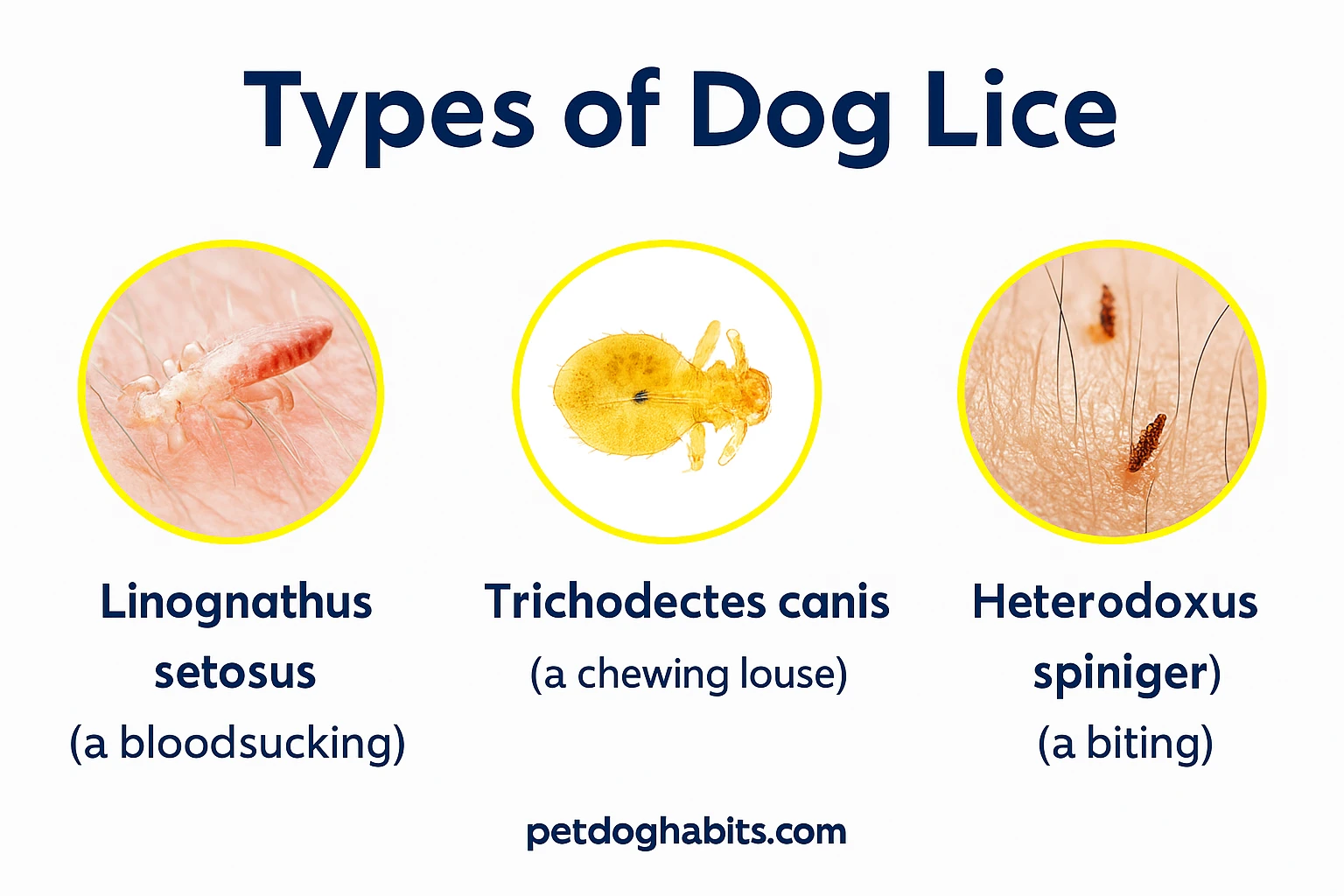
Types of Lice That Affect Dogs
When exploring, it helps to know the two main types:
- Chewing lice (Trichodectes canis, Heterodoxus spiniger): feed on skin debris and secretions.
- Sucking lice (Linognathus setosus) feed on blood and can cause irritation or even anemia in severe infestations.
The Merck Veterinary Manual notes that both types are species-specific and rarely cross to other animals.
How Dogs Get Lice
Dog lice spread only through direct contact with an infested animal or through contaminated objects such as grooming tools, bedding, and collars. Because these parasites can’t leap, transmission requires proximity. Overcrowded kennels, unsanitary conditions, and weakened immune systems all increase risk, as emphasized in the MSD Veterinary Manual.
Signs and Symptoms of Lice on Dogs
Recognizing lice early makes treatment easier. Watch for:
- Intense itching and scratching
- Rough or matted coat
- Hair loss or bald patches
- Visible tiny insects or sticky white nits attached to hair shafts
- Small wounds or secondary infections
If you notice these issues, your veterinarian can confirm the presence of lice under a microscope, as detailed by the Merck Vet Manual.
Diagnosis
Veterinarians typically part the coat and look for adult lice or eggs. They may also perform a tape test or microscopic exam to identify the species and rule out other skin parasites.
Treatment Options
Effective treatment must target both the dog and its environment.
- Topical or oral medications – Many flea and tick preventives also kill lice. Products containing fipronil, selamectin, or isoxazolines are common choices recommended by vets and highlighted in the Merck Veterinary Manual.
- Environmental cleaning – Wash bedding, collars, and grooming tools in hot, soapy water and vacuum floors and furniture thoroughly.
- Repeat treatments – Because eggs hatch over time, follow-up applications every 7–10 days ensure the entire life cycle is broken.
Always follow your veterinarian’s instructions before applying any insecticide.
Prevention Tips
Preventing lice is far easier than curing an infestation:
- Use a monthly flea-and-tick product that also covers lice.
- Avoid letting your dog share bedding or grooming tools with unknown dogs.
- Keep living spaces clean and vacuumed.
- Quarantine and check any newly adopted pets before introducing them to your household.
Consistent grooming and routine checks dramatically reduce the risk that your dog will ever face lice.
Common Myths About Dog Lice
- Dogs can give lice to humans – False. Dog lice are host-specific and cannot survive on people.
- Lice jump like fleas – They can’t jump or fly, making close contact necessary for transmission.
- One treatment is enough – Eggs hatch later, so multiple treatments and thorough cleaning are vital.
These clarifications, supported by the AKC’s expert advice, help owners separate fact from fiction.
Related Care for Overall Health
Good overall health makes dogs more resilient to any parasite. For example, a balanced diet is essential—see our guide on “Can Dogs Eat Beef Jerky” to learn which treats are safe. Vaccinations are equally critical; review our article on how often dogs need rabies shots to keep your pet protected.
Conclusion
So, can dogs get lice? Yes, but infestations are uncommon in healthy pets. Because these parasites can’t jump or fly, direct contact is required. With quick detection, veterinarian-approved treatment, and thorough cleaning of your dog’s environment, you can eliminate lice effectively and prevent their return. Regular grooming, preventive products, and a healthy lifestyle remain the best defenses for a happy, itch-free canine companion.

What Vegetables Can Dogs Eat? Safe and Unsafe Vegetables
Many vegetables are safe and healthy for dogs, but some can be dangerous. Learn what vegetables dogs can eat, what they can eat daily, and

Can Dogs Eat Anchovies? Benefits, Risks, and Safe Guide
Can dogs eat anchovies safely? Discover the benefits, risks, and proper way to feed anchovies to dogs. Learn how these small fish can support your

Can Dogs Eat White Chocolate? A Complete Safety Guide
Can dogs eat white chocolate or is it dangerous? Discover the risks, symptoms of chocolate poisoning, and what to do if your dog eats white
[…] Can Dogs Get Lice? Symptoms, Treatment, and Prevention Guide […]
Comments are closed.