
Can Dogs Have Neosporin? Everything Dog Owners Need to Know
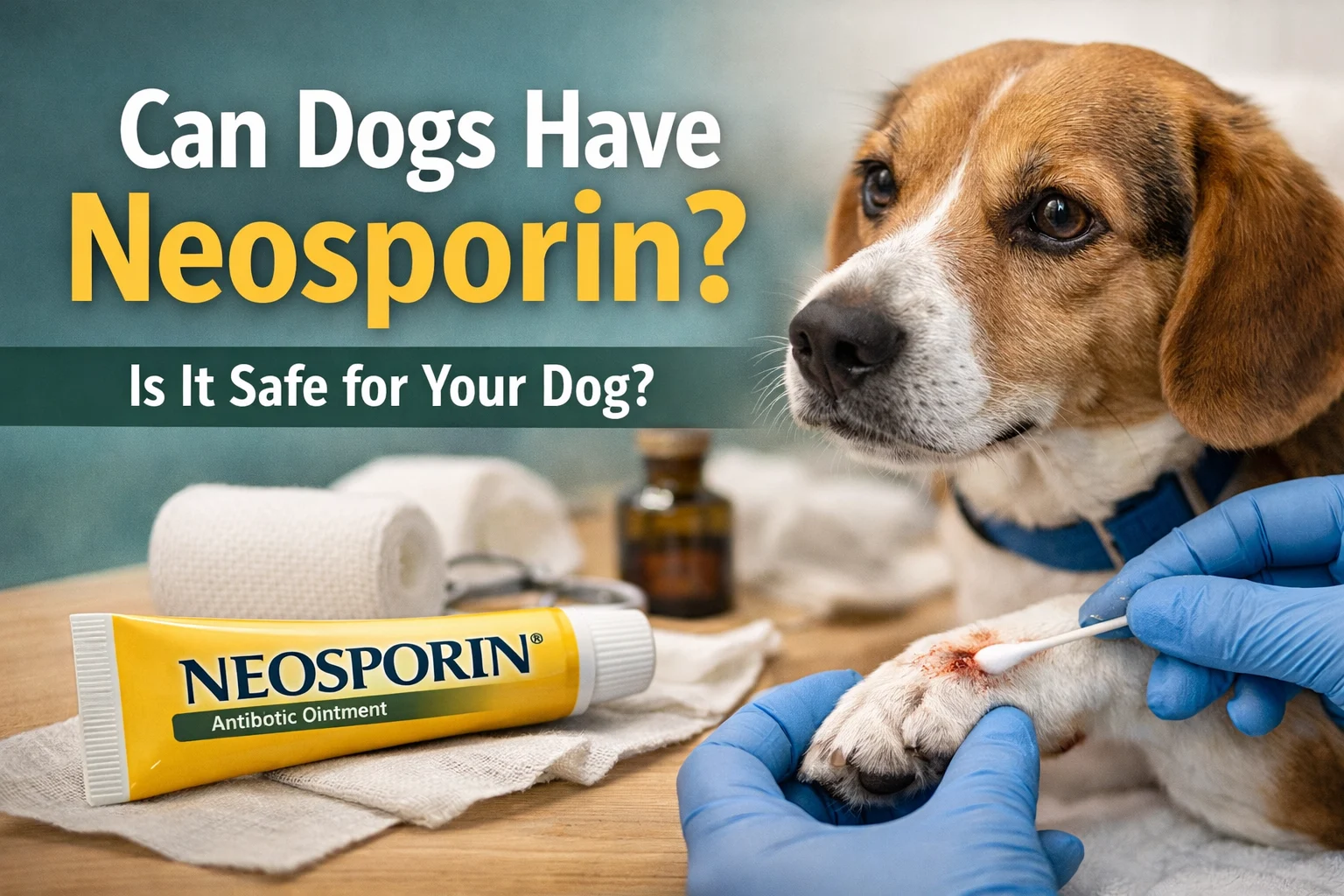
Dogs are adventurous by nature. Whether they are running through the yard, playing with other dogs, or exploring new places, small injuries can happen at any time. When you notice a cut, scrape, or irritated spot on your dog’s skin, your first instinct might be to reach for something familiar from your own medicine cabinet. Neosporin is often the first product that comes to mind.
This raises an important and common question among pet owners: Can dogs have Neosporin?
The answer is not a simple yes or no. While Neosporin can sometimes be used on dogs, it must be handled with caution, proper understanding, and clear limitations.
This detailed guide explains when Neosporin may be safe for dogs, when it should be avoided, how to apply it correctly, and what alternatives may be better for canine wound care.
What Is Neosporin and Why Do People Use It?
Neosporin is a topical antibiotic ointment designed to prevent bacterial infection in minor wounds. It contains three antibiotics that work together to stop bacteria from growing on the skin. In humans, it is commonly used for small cuts, scrapes, and burns.
Because it is easy to access and widely trusted, many dog owners assume it works the same way for pets. However, dogs have different skin sensitivity, grooming habits, and healing responses, which makes direct comparison unreliable.
Understanding how Neosporin works is essential before deciding whether dogs can have Neosporin safely.
Can Dogs Have Neosporin on Minor Wounds?
Yes, dogs can have Neosporin in limited situations, but only for very minor, superficial skin injuries. These include small scrapes, light abrasions, or shallow cuts that do not bleed heavily and show no signs of infection.
In these specific cases, Neosporin may help prevent bacteria from entering the wound and support natural healing. However, this does not mean Neosporin should become a routine treatment for all dog injuries.
Veterinary guidance always matters more than convenience.
When It Is Generally Safe to Use Neosporin on Dogs
Neosporin may be acceptable when all of the following conditions are met:
- The wound is small, clean, and shallow
- There is no swelling, pus, or foul odor
- The area is not near the eyes, mouth, ears, or genitals
- The dog cannot easily lick the ointment
- The product does not contain added pain relievers
When these conditions apply, short-term use of a very small amount may be tolerated. Even then, Neosporin should only serve as a temporary measure, not a long-term solution.
When Dogs Should Not Have Neosporin
There are many situations where Neosporin should never be used on dogs. Using it incorrectly can delay healing or cause additional problems.
Avoid Neosporin if:
- The wound is deep, open, or bleeding heavily
- The injury resulted from a bite or puncture
- The skin is burned or severely inflamed
- The wound already shows signs of infection
- The dog has a history of skin allergies
- The dog constantly licks or chews the area
In these cases, home treatment is not appropriate. Veterinary care is necessary to prevent complications.
Why Licking Is a Serious Concern
One of the biggest risks when asking “Can dogs have Neosporin?” is licking. Dogs instinctively lick wounds, which creates several problems.
First, licking removes the ointment before it can work. Second, ingesting Neosporin can upset a dog’s digestive system and cause vomiting or diarrhea. Third, constant licking introduces more bacteria into the wound, increasing the risk of infection.
Because of this, Neosporin should never be applied unless licking can be completely prevented using a cone or protective covering.
Possible Side Effects of Neosporin in Dogs
Even when applied externally, Neosporin can cause side effects in some dogs.
Skin Reactions
Some dogs develop redness, itching, swelling, or rash at the application site. This reaction may appear quickly or after repeated use.
Digestive Upset
If a dog ingests Neosporin, stomach irritation can occur. Symptoms may include drooling, nausea, vomiting, or loose stools.
Delayed Healing
Using the wrong product on the wrong wound may slow healing instead of improving it. Infected wounds often worsen when treated improperly.
These risks explain why many veterinarians prefer dog-specific products over human medications.
How to Use Neosporin on Dogs the Right Way
If your veterinarian approves its use and the wound meets safety criteria, careful application is essential.
Step 1: Clean the Area
Gently rinse the wound with clean water to remove dirt and debris. Avoid harsh disinfectants unless directed by a professional.
Step 2: Dry the Skin
Pat the area dry using a clean cloth or sterile gauze. Moisture can trap bacteria.
Step 3: Apply a Very Thin Layer
Use only a small amount of Neosporin. A thick layer does not improve healing and increases the risk of licking.
Step 4: Prevent Licking
Use a cone collar, bandage, or protective clothing to keep your dog from reaching the area.
Step 5: Monitor Daily
Check the wound every day for improvement or signs of irritation. Stop use immediately if redness, swelling, or discomfort increases.
Neosporin should not be used for more than a short period unless advised by a veterinarian.
Common Mistakes Dog Owners Make
Many problems arise not because of Neosporin itself, but because of misuse.
One common mistake is applying it to wounds that are too serious for home care. Another is assuming that more ointment means faster healing. Some owners also ignore licking behavior, which defeats the purpose of treatment.
Understanding limitations is key when deciding if dogs can have Neosporin safely.
Safer Alternatives to Neosporin for Dogs
In many cases, dog-specific wound care products work better and carry fewer risks.
Veterinary Antiseptic Sprays
These products clean wounds without encouraging licking and are designed for canine skin.
Chlorhexidine Solutions
Often used in veterinary clinics, these help control bacteria when diluted and applied properly.
Pet-Safe Wound Creams
Formulated specifically for dogs, these ointments reduce infection risk while supporting healing.
Professional Treatment
For wounds that do not improve quickly, professional veterinary care always provides the safest outcome.
Using products designed for dogs eliminates guesswork and improves healing reliability.
Signs That Your Dog Needs Veterinary Attention
Even minor wounds can become serious if ignored. Seek professional help if you notice:
- Increasing redness or swelling
- Pus or discharge
- Pain when touched
- Fever or lethargy
- Loss of appetite
- Wounds that do not improve within a few days
Prompt treatment prevents complications and ensures proper recovery.
Understanding the Bigger Picture of Dog Wound Care
The question “Can dogs have Neosporin?” highlights a larger issue. Human medications often seem convenient, but dogs have unique needs that require careful consideration.
While Neosporin may help in rare and controlled situations, it should never replace proper veterinary guidance. Responsible pet care focuses on safety first, not convenience.
Final Thoughts: Can Dogs Have Neosporin?
Yes, dogs can have Neosporin in very limited situations, but it is not the best or safest option in many cases. Minor wounds may tolerate short-term use, but risks increase quickly if the wound is serious or if licking occurs.
The safest approach always involves:
- Knowing when home care is appropriate
- Using the smallest effective amount
- Monitoring closely
- Seeking veterinary advice when unsure
Your dog relies on you to make informed decisions. When it comes to wound care, caution, observation, and professional guidance always lead to better outcomes.
What do you think?
Related Articles

What Vegetables Can Dogs Eat? Safe and Unsafe Vegetables
Many vegetables are safe and healthy for dogs, but some can be dangerous. Learn what vegetables dogs can eat, what they can eat daily, and

Can Dogs Eat Anchovies? Benefits, Risks, and Safe Guide
Can dogs eat anchovies safely? Discover the benefits, risks, and proper way to feed anchovies to dogs. Learn how these small fish can support your

Can Dogs Eat White Chocolate? A Complete Safety Guide
Can dogs eat white chocolate or is it dangerous? Discover the risks, symptoms of chocolate poisoning, and what to do if your dog eats white