Introduction:
Does your dog frequently scoot across the floor or lick its rear more than usual? These behaviors often signal anal gland issues—a common yet overlooked problem in dogs. Anal glands, or anal sacs, are two small scent glands on either side of the anus that usually empty during bowel movements. When these glands become clogged, impacted, or infected, they can cause discomfort, pain, and recurring irritation. Dog anal gland supplements provide a natural way to support healthy gland function, helping prevent blockages and keeping your pup comfortable.
According to PetMD, over 12% of dogs will develop anal gland issues at some point in their lives, particularly in small breeds such as Chihuahuas, Toy Poodles, and Beagles.
Thankfully, anal gland supplements for dogs can help manage, treat, and prevent these painful flare-ups—and they’re becoming a go-to natural solution recommended by many veterinarians.
Common Anal Gland Problems in Dogs
Understanding the root of the issue helps you recognize when your dog might benefit from supplementation or medical care.
Signs of Anal Gland Problems:
- Scooting or dragging the rear on the ground
- Excessive licking or biting around the anus
- Foul, fishy odor
- Difficulty defecating or visible pain during bowel movements
- Swelling or redness near the anus
- Blood or pus in the stool
You can learn more about symptoms like scooting in this AKC article on dog scooting and its meaning.
Common Causes:
- Poor diet/lack of fiber
- Obesity, which impacts gland function
- Chronic diarrhea or soft stools, preventing natural gland expression
- Allergies, which can inflame the gland openings
- Breed predisposition, with smaller dogs more commonly affected
Stat: A 2021 study published in the Veterinary Record found that toy breeds are up to 3x more likely to suffer from recurring anal sac impaction compared to larger dogs.
If left untreated, these conditions may lead to painful abscesses or require manual expression—a process most pet parents and dogs would rather avoid.
Treatment: How Dog Anal Gland Supplements Can Help
Supplements formulated for anal gland support are packed with natural ingredients that improve stool quality, reduce inflammation, and encourage proper gland expression.
Benefits of Using Dog Anal Gland Supplements:
- Promotes firmer, bulkier stools that naturally press against the anal sacs
- Reduces the frequency of manual expression
- Helps prevent infections and inflammation
- Improves digestive health and bowel regularity
Key Ingredients to Look For:
- Pumpkin fiber: Adds bulk to stool
- Psyllium husk: Promotes regularity
- Probiotics & prebiotics: Support gut flora
- Omega fatty acids: Reduce inflammation
- Dandelion root & beet pulp: Aid digestion and gland health
Vet-backed tip: Consistency is key. Most supplements take 2–4 weeks of daily use to show visible results.
Recommended Supplements to Try
Here are two highly-rated anal gland support supplements available on Amazon that thousands of pet owners trust:
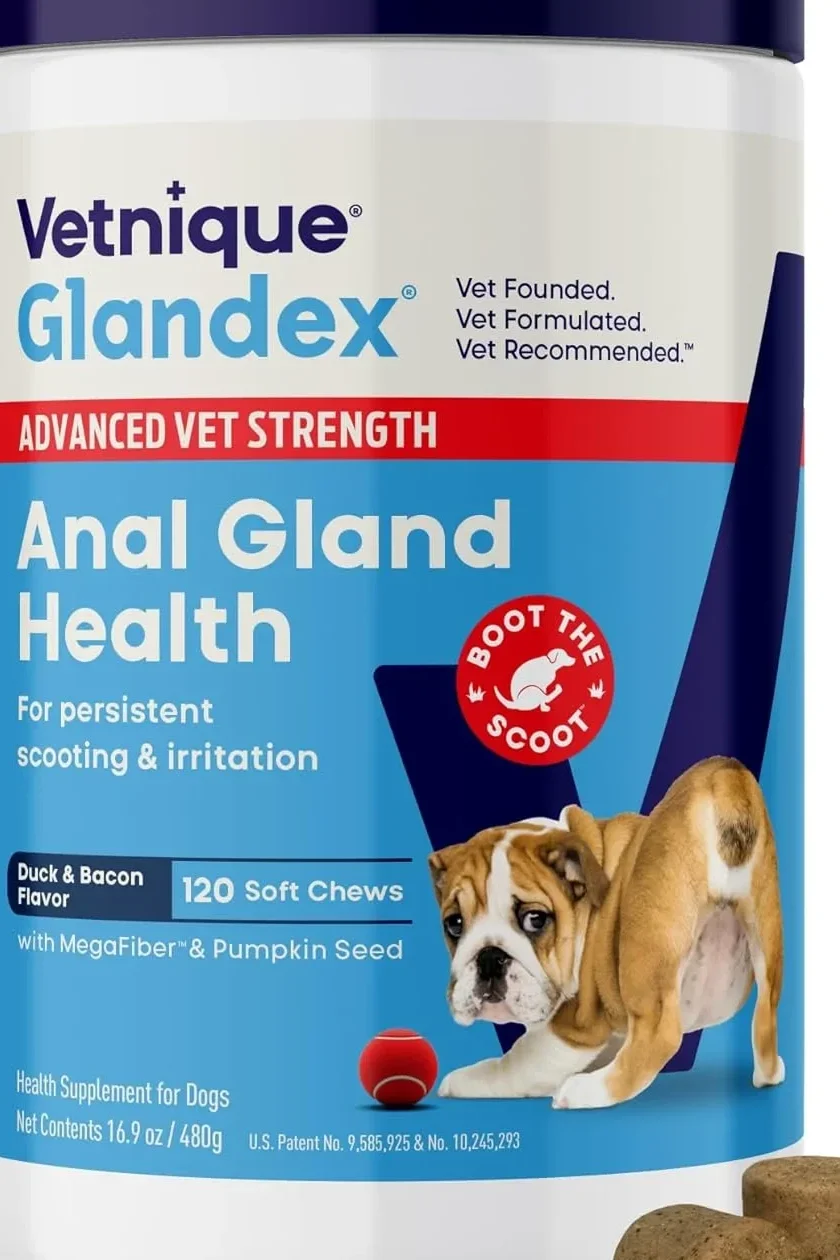
- Glandex Anal Gland Soft Chews with Pumpkin – Vet Recommended
These chews are packed with fiber, probiotics, and digestive enzymes. They’ve received over 25,000 reviews with a 4.5-star rating, proving their effectiveness in reducing scooting and gland inflammation.
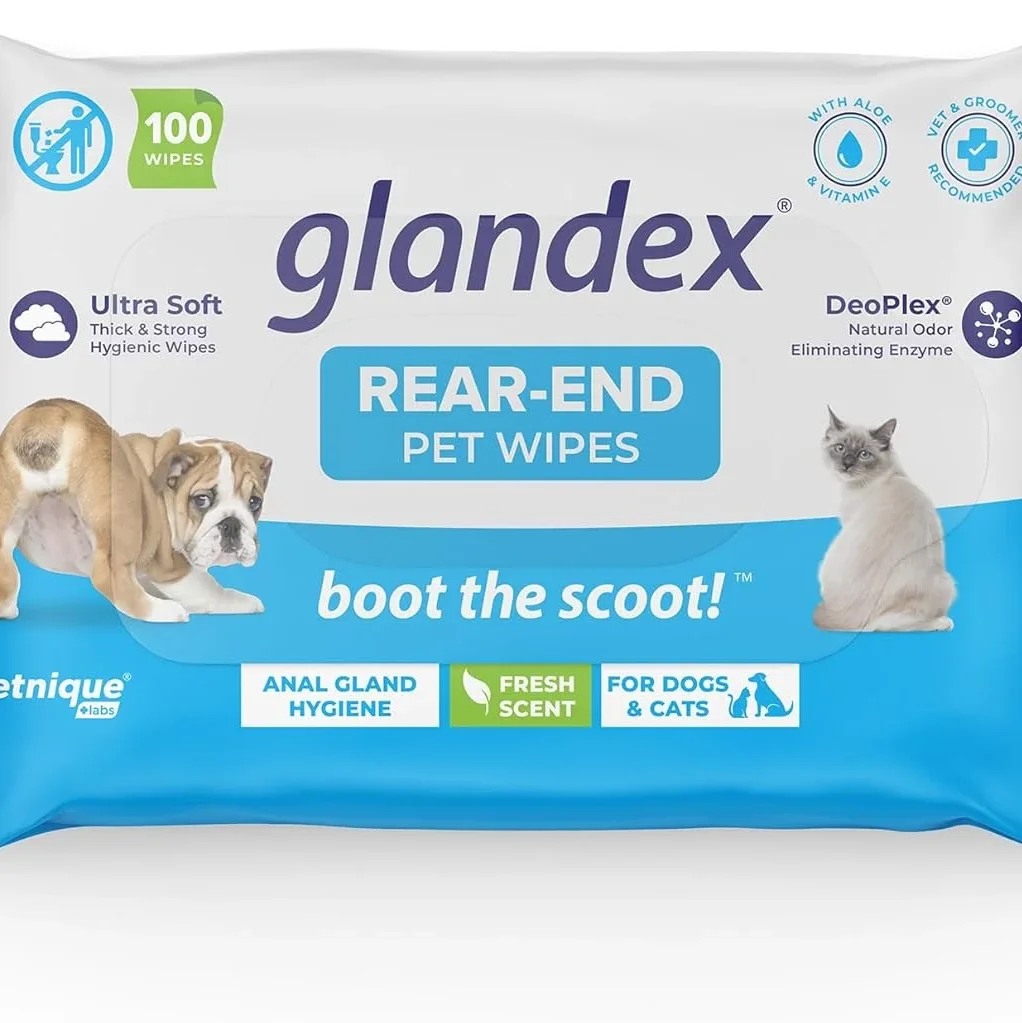
- Zesty Paws Scoot Away Supplement – Functional Digestive Support
Featuring advanced fiber blends and omega fatty acids, this formula supports natural anal gland function and gut balance.
Note: Always consult your veterinarian before starting any new supplement, especially if your dog already has an infection or chronic issue.
Prevention: Tips to Keep Anal Glands Healthy
While supplements play a significant role, lifestyle and diet also play a crucial part. Prevent future issues with these proven strategies:
Diet & Weight Control
- Feed a high-fiber, balanced diet with minimal table scraps
- Maintain your dog’s ideal weight—obesity is a major trigger
The American Veterinary Medical Association (AVMA) stresses the importance of preventive care, including a balanced diet and routine checkups, to help manage and prevent gland-related health issues.
Regular Exercise
- Encourage daily walks to keep your dog’s metabolism and digestion active
Monitor Stool Consistency
- Firmer stools naturally help express glands. Track any sudden changes.
Hygiene & Grooming
- Keep the anal area clean and dry
- Ask your groomer about regular manual expression (if necessary)
Vet Check-Ups
- Schedule twice-yearly exams to check for silent gland issues
- Address allergies, diarrhea, or skin conditions early
Conclusion: Don’t Let Anal Gland Issues Linger
Your dog doesn’t have to suffer in silence. Anal gland discomfort is both preventable and treatable with the right support, and natural supplements can play a huge role in improving your pup’s quality of life.
From easing irritation to reducing vet visits, anal gland supplements offer a gentle yet powerful solution for dogs of all ages and breeds. Backed by science, loved by pet owners, and approved by veterinarians, they’re a smart addition to any dog’s wellness routine.
Have you tried a supplement for your dog’s anal gland health? What worked best for your pup? Share your experience below!

What Vegetables Can Dogs Eat? Safe and Unsafe Vegetables
Many vegetables are safe and healthy for dogs, but some can be dangerous. Learn what vegetables dogs can eat, what they can eat daily, and

Can Dogs Eat Anchovies? Benefits, Risks, and Safe Guide
Can dogs eat anchovies safely? Discover the benefits, risks, and proper way to feed anchovies to dogs. Learn how these small fish can support your

Can Dogs Eat White Chocolate? A Complete Safety Guide
Can dogs eat white chocolate or is it dangerous? Discover the risks, symptoms of chocolate poisoning, and what to do if your dog eats white
[…] focusing on hydration, you may also want to explore related health tips, such as dog anal gland supplements for digestive comfort or fun treats (check out “Can Dogs Eat Ice Cream?“ before […]
Comments are closed.