Can Dogs Eat Lamb? A Complete & Safe Feeding Guide
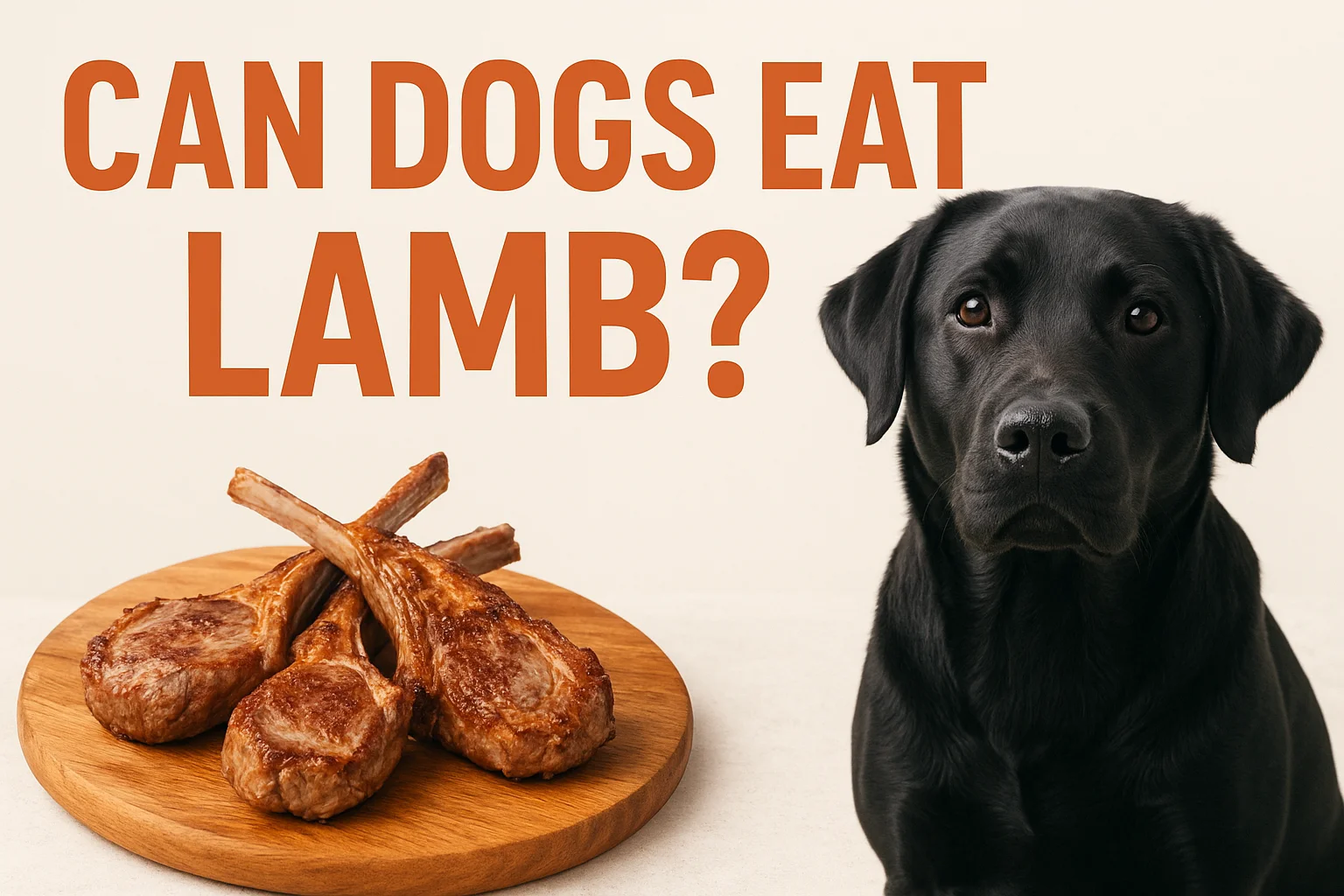
Many dog owners wonder whether lamb is a safe and healthy protein to add to their dog’s diet. While chicken and beef dominate most commercial dog foods, lamb has recently grown in popularity for its rich flavor, digestibility, and suitability for dogs with food sensitivities. But before you serve your dog a lamb chop or leftover roast, it’s important to understand the benefits, risks, and best feeding practices.
This comprehensive guide breaks down everything you need to know—including how to serve lamb safely, what forms to avoid, how much is appropriate, and signs of adverse reactions. We’ll also compare lamb to other proteins and provide vet-style tips to help you make the best decision for your dog.
Is Lamb Safe for Dogs?
Yes—dogs can safely eat lamb when it is cooked plain and served in appropriate portions. Lamb is a nutrient-dense protein source, rich in amino acids, minerals, and healthy fats that dogs need for muscle maintenance and energy.
However, not all forms of lamb are safe. Seasoned, fatty, or improperly cooked lamb can lead to digestive issues or even toxicity. That’s why responsible preparation matters just as much as the quality of the meat.
Trusted pet nutrition sources, such as the AKC, emphasize choosing unseasoned meats and avoiding harmful additives.
Why Lamb Is a Nutritious Choice for Dogs
Lamb is often used as a “novel protein” in dog foods because it is less likely to trigger allergies compared to chicken, turkey, or beef. Still, its benefits go far beyond being an alternative meat.
1. High-Quality Protein Dogs Can Digest Easily
Dogs thrive on animal protein, and lamb provides a complete amino-acid profile. Detailed research from PetMD highlights that dogs digest animal proteins more efficiently than many plant-based sources, making lamb an ideal protein option.
2. Packed With Essential Fatty Acids
Lamb contains healthy fats that support:
- Skin hydration
- Coat shine
- Brain development
- Immune strength
- Joint flexibility
Because lamb is naturally rich, it gives dogs slow-burning energy—not just quick calories.
3. Naturally Rich in Vitamins & Minerals
Lamb contains:
- Iron
- Zinc
- Selenium
- Vitamin B12
- Niacin
These nutrients help your dog maintain stable energy, support nerve function, and promote healthy blood cells.
Can Dogs Eat Raw Lamb?
Raw feeding continues to rise in popularity. While some advocates promote the benefits of raw lamb, it also comes with documented risks. Raw meats can contain bacteria such as Salmonella and E. coli, both of which may harm dogs and humans.
An in-depth lamb article from PurePetFood explains that raw lamb should only be handled with strict hygiene and professional guidance.
If you decide to explore raw feeding, always consult your veterinarian before making any changes.
What Parts of Lamb Can Dogs Eat Safely?
✔ Lean, Cooked Lamb Meat
This is the easiest and safest type of lamb to feed your dog. Keep it plain and remove excess fat.
✔ Lamb Heart
Heart meat is rich in taurine, an essential nutrient for heart health.
✔ Lamb Liver
Liver is extremely nutrient-dense and should be served in moderation.
✔ Lamb Kidney
This protein is rich in minerals but should be fed sparingly due to its potent nutrient levels.
Start with small servings and watch for digestive reactions.
Lamb Products Dogs Should Avoid
Cooked Lamb Bones
Cooked bones splinter easily and can lead to internal injuries.
Fat Trimmings
Fat increases the risk of pancreatitis, a dangerous inflammatory condition.
Lamb Sausage
Sausages contain seasonings, preservatives, and large amounts of salt.
Seasoned Lamb
Garlic and onion—common lamb seasonings—are toxic to dogs.
Pet feeding guidance from Purina warns that processed meats and oily foods often cause long-term health problems for dogs.
How Much Lamb Can Dogs Eat?
The amount depends heavily on your dog’s weight and activity level. As a general guide:
- Toy breeds: 1–2 tbsp
- Small dogs: 2–3 tbsp
- Medium dogs: ¼–½ cup
- Large dogs: ½–1 cup
- Giant breeds: 1 cup or more
Lamb should remain a treat or supplement—not the main diet.
Can Puppies Eat Lamb?
Yes, puppies may eat small amounts of cooked, fat-trimmed lamb. Because their digestive systems are more sensitive, start with tiny portions and always avoid rich foods until the puppy is older.
Is Lamb Good for Dogs With Allergies?
Lamb is often recommended for dogs with food sensitivities because it’s less common in traditional diets. Dogs allergic to chicken or beef may thrive on lamb.
However, lamb allergies do exist. Watch for:
- Itching
- Paw chewing
- Ear infections
- Bloating
- Vomiting
- Soft stools
If symptoms appear, discontinue lamb immediately. Since some allergies are similar to reactions to certain fruits, reviewing this PetDogHabits article about safe grapefruit options for dogs may help you compare symptoms:
fruit.
Can Dogs Eat Lamb Fat?
Because lamb is naturally fatty, feeding too much can cause stomach upset, loose stools, or pancreatitis. Always trim excess fat before cooking.
Can Dogs Eat Lamb Bones?
Cooked bones splinter easily. Raw bones, while sometimes safer, can still break teeth or cause blockages.
A detailed explanation from WagWalking explains how splintered bones are one of the most common emergency vet issues for dogs who chew cooked lamb bones.
Avoid feeding bones altogether.
How to Prepare Lamb Safely for Dogs
1. Cook It Thoroughly
Full cooking kills harmful pathogens.
2. Avoid Seasonings
No garlic, onion, butter, or oils.
3. Trim Fat
Excess fat raises the risk of pancreatitis.
4. Cut Into Small Pieces
This prevents choking and aids digestion.
5. Introduce Slowly
A gradual approach reduces stomach concerns.
Healthy Lamb-Based Dog Meal
✔ Lamb & Rice Bowl
A simple, gentle recipe for sensitive stomachs.
✔ Lamb & Sweet Potato
High-nutrient, balanced, and flavorful.
✔ Plain Lamb Training Bites
Perfect for reward-based training.
Healthy Alternatives to Lamb
If your dog doesn’t tolerate lamb, try:
- Salmon
- Turkey
- Chicken
- Rabbit
- Whitefish
You may also explore hydration-safe drinks for dogs in this PetDogHabits hydration article:
hydration.
Or, if you want a protein alternative, review this PetDogHabits guide about unsalted peanuts:
guide.
What to Do If Your Dog Reacts Badly to Lamb
Stop feeding lamb immediately if you notice:
- Vomiting
- Gas
- Diarrhea
- Red skin
- Ear inflammation
- Weakness
- Appetite loss
If symptoms last longer than 24 hours, call your vet. Proper health monitoring is essential for dietary changes, and this PetDogHabits article on safe citrus treats may help you compare reactions:
health.
Final Thoughts: Should Dogs Eat Lamb?
Lamb can be a flavorful, nutrient-rich protein source for many dogs. When cooked properly and served in moderation, it can help maintain muscle health, energy levels, and immune strength.
Just remember:
- Keep portions moderate
- Remove bones and fat
- Avoid seasonings
- Introduce slowly
- Monitor for allergies
For more feeding alternatives, visit additional safe-food articles at PetDogHabits.
What do you think?
Related Articles

What Vegetables Can Dogs Eat? Safe and Unsafe Vegetables
Many vegetables are safe and healthy for dogs, but some can be dangerous. Learn what vegetables dogs can eat, what they can eat daily, and
Can Dogs Eat Anchovies? Benefits, Risks, and Safe Guide
Can dogs eat anchovies safely? Discover the benefits, risks, and proper way to feed anchovies to dogs. Learn how these small fish can support your

Can Dogs Eat White Chocolate? A Complete Safety Guide
Can dogs eat white chocolate or is it dangerous? Discover the risks, symptoms of chocolate poisoning, and what to do if your dog eats white
[…] sum up: butter is not a recommended food for dogs, though a very small amount might pass in rare cases. It contains almost no useful nutrients, but plenty of fat and calories — the wrong kind for most […]
[…] Some cheese types are dangerous for dogs and must be avoided: […]